
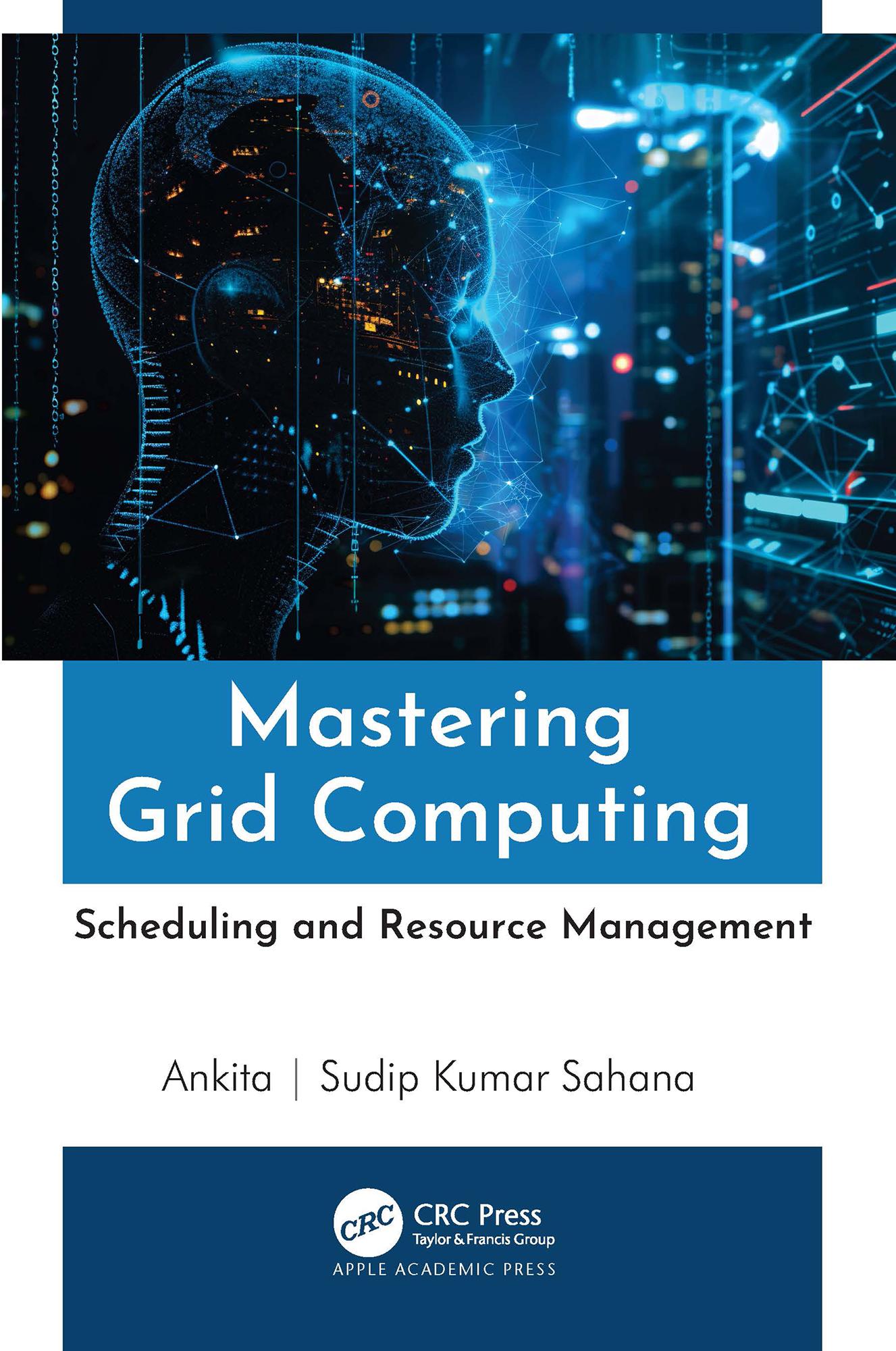
Grid computing, a computing infrastructure that combines computer resources spread over different geographical locations to achieve a common goal, is seen as an efficient solution to solve complex real-world computer problems in a shorter time. Grid computing makes it easier to collaborate with other organizations, makes better use of existing hardware, and reduces transmission congestion, leading to more efficient electricity markets, improved power quality, and a reduced environmental impact.
Highlighting the salient features of grid computing, this new book begins with the basic definition of grid and its architecture and also discusses advances to the complex hybridized model of grid computing, grid scheduling, and grid resource management. The chapters address different problems causing grid bottlenecks, the formulation of solution strategies, implementation of grid scheduling, along with case studies of grid computing. It introduces several scheduling algorithms and evaluates the efficiency of these algorithms using comparative analysis while also discussing grid simulators.
The book will be a valuable guide for new and experienced researchers and will advance their understanding of the concept of grid computing in a broader perspective. Starting from the basic definition of grid and its architecture to the complex hybridized model of scheduling, this book is a comprehensive resource on grid computing, grid scheduling, and grid resource management.
Pay easily by card, Klarna, Apple Pay or Google Pay. Not happy? You always have a 14-day money-back guarantee. Read more in our terms. If you have any questions, email us at hello@memmo.org.
Memmo makes studying easier – wherever you are in the world. We bring your course books and smart study tools together in one place: summaries, quizzes, podcasts and flashcards. Plus Ted, your study buddy who answers anything you wonder. Over 75,000 students already study here – built to help you learn faster and stress less.