
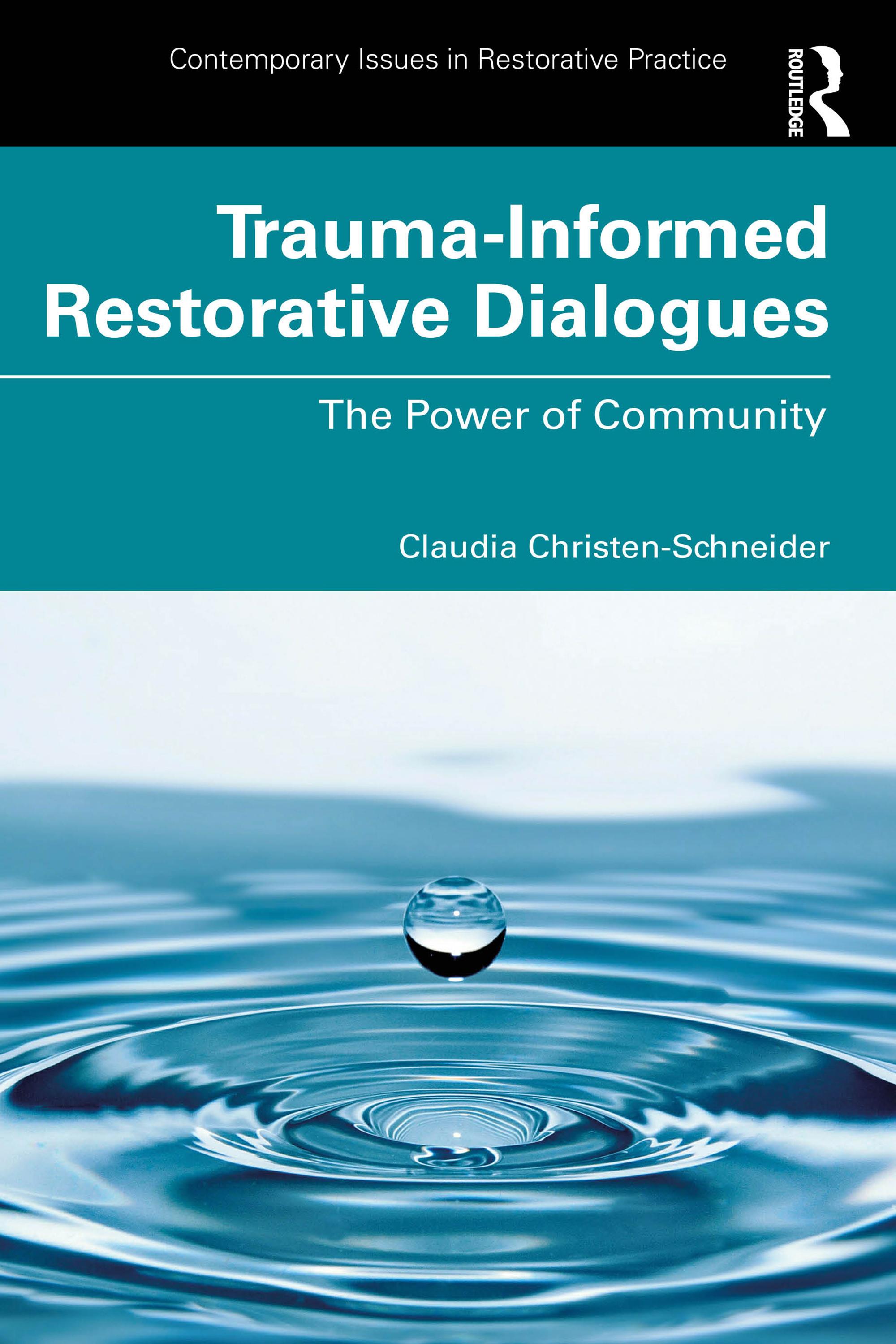
This book combines trauma-informed practice with restorative justice to explore how restorative dialogues can support those affected by trauma. Trauma-informed practice involves understanding the impact of trauma and creating an environment that is sensitive to its effects, which is essential for fostering meaningful dialogue between victims and offenders. Conversely, restorative justice focuses on addressing harm through inclusive processes involving victims, offenders and the community, and aims to respond to the needs of all parties affected by the harm.
By integrating these perspectives, the book illustrates how trauma-informed restorative dialogues - an approach that expands access to restorative justice when direct encounters between victims and offenders are not possible - can improve access to justice, promote recovery and facilitate transformation. It provides practical guidance based on insights from victims and facilitators in five European countries and offenders in Swiss prisons, and addresses secondary trauma among practitioners, offering strategies for their self-care and organisational care.
Aimed at practitioners, academics, policy makers and service providers, this in-depth research fills a gap in the restorative justice literature by demonstrating how trauma-informed principles can strengthen communities and support those affected by serious harm.
Pay easily by card, Klarna, Apple Pay or Google Pay. Not happy? You always have a 14-day money-back guarantee. Read more in our terms. If you have any questions, email us at hello@memmo.org.
Memmo makes studying easier – wherever you are in the world. We bring your course books and smart study tools together in one place: summaries, quizzes, podcasts and flashcards. Plus Ted, your study buddy who answers anything you wonder. Over 50,000 students already study here – built to help you learn faster and stress less.