
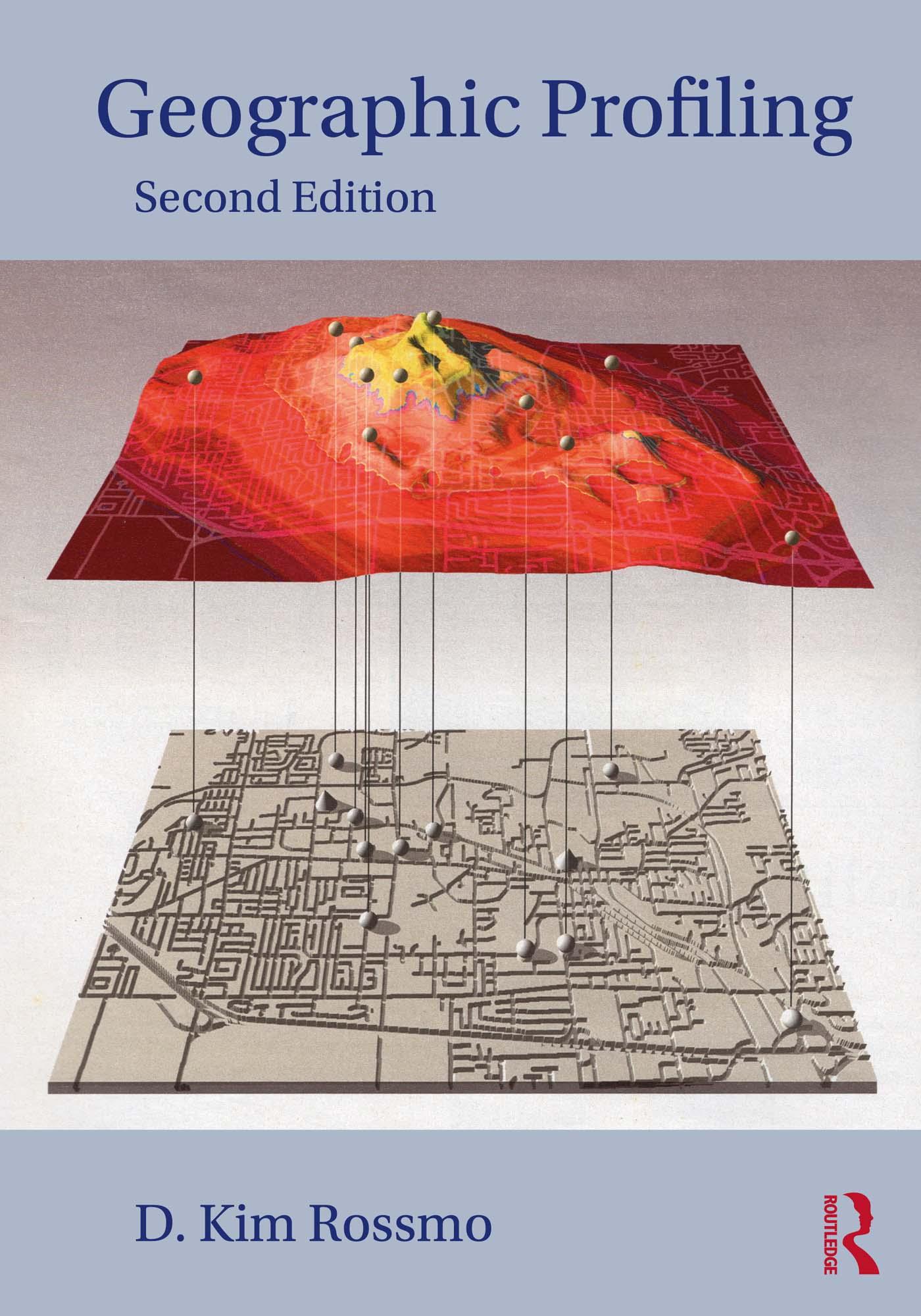
Geographic Profiling explores this cutting‑edge investigative methodology for determining the most probable area of an offender’s residence by analyzing the locations of a series of connected crimes. Geoprofiling allows police detectives and law enforcement officers to prioritize suspects, focus their investigations, and manage information overload. This extensive and exhaustive work explains the underlying theories and operational principles of the methodology. To provide context, extensive reviews of the research on serial murder, rape, and arson, stranger child murder, behavioral/psychological profiling, linkage analysis, and the geography of crime are included.
As any police officer who has walked a beat or worked a crime scene knows, streets have hot spots, patterns, and rhythms. Understanding the varied geographic information in a crime series can be challenging. Renowned expert Kim Rossmo explains the concepts and applications of geographic profiling, and in this second edition updates his groundbreaking book with informative and engaging figures, tables, and examples. A range of applications are discussed including suspect prioritization, database searches, tactical response plans, missing person investigations, clandestine grave identification, and the role of geography in wrongful conviction reviews. Dr. Rossmo discusses the nature of police inquiries, criminal evidence, investigative challenges and failures, and more. The book explores the application of geographic profiling to violent and property crime, single offenses, epidemiology, counterterrorism/insurgency, and even earthquake epicenter and pirate base prediction. Fascinating new case studies include the Golden State Killer, Operation Lynx, the Zodiac Killer, the Lindbergh baby kidnapping, the DC Snipers, and the Austin Midnight Assassin.
Geographic Profiling is a must‑have reference for detectives, crime analysts, and law enforcement officers who want to follow the geographic clues in their cases. Its clear presentation makes it ideal for college courses, police training, university scholars, and students of true crime.
Pay easily by card, Klarna, Apple Pay or Google Pay. Not happy? You always have a 14-day money-back guarantee. Read more in our terms. If you have any questions, email us at hello@memmo.org.
Memmo makes studying easier – wherever you are in the world. We bring your course books and smart study tools together in one place: summaries, quizzes, podcasts and flashcards. Plus Ted, your study buddy who answers anything you wonder. Over 50,000 students already study here – built to help you learn faster and stress less.