
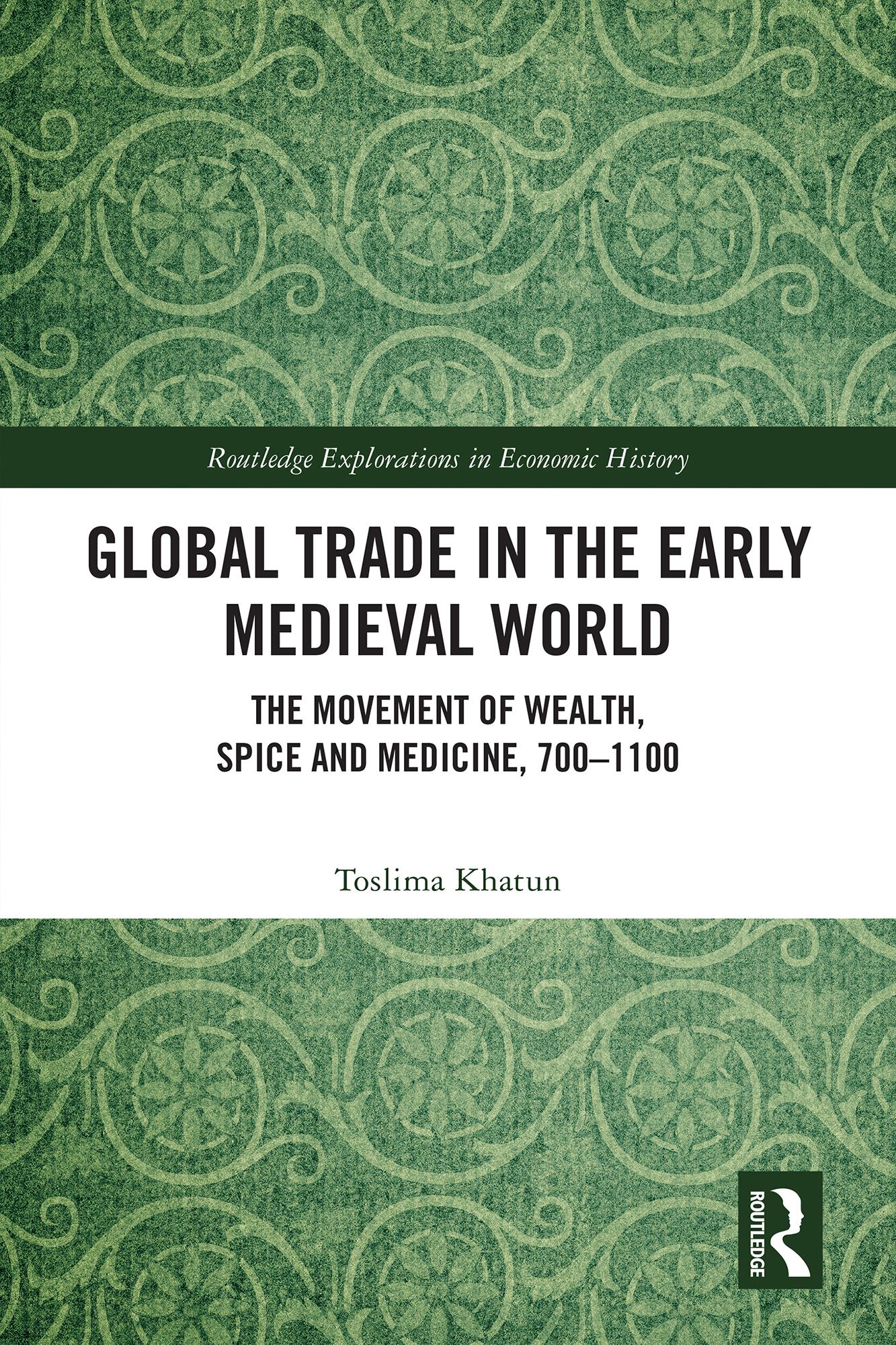
Exploring the movement of peoples, perfumes, and spices across vast distances in this period of medieval history across Asia, the Middle East, and Europe, this book examines the role of Arab merchants in trade between and among the Caliphal and Carolingian elites.
The study of the trade in perfumes and spices highlights the relationship between the South Asian subcontinent and the Caliphate. It is shown that the societies involved in this intercontinental maritime trade intermingled through the demand for goods and products which allowed for the transmission of ideas and learning. Crucially, the Eurasian end of these trading routes were tapping into pre- existing networks of trade as there is evidence that there were links of trade between East Asia and the near and Middle East as early as the seventh century B.H./ first century A.D. Thus, the book challenges the Eurocentric worldview which fails to take into account that the Europeans in the late medieval period came into a pre- existing trading network.
This book will be of interest to readers in economic history as well as the history of trade, globalisation, South Asia, the Middle East, and the Medieval world.
Pay easily by card, Klarna, Apple Pay or Google Pay. Not happy? You always have a 14-day money-back guarantee. Read more in our terms. If you have any questions, email us at hello@memmo.org.
Memmo makes studying easier – wherever you are in the world. We bring your course books and smart study tools together in one place: summaries, quizzes, podcasts and flashcards. Plus Ted, your study buddy who answers anything you wonder. Over 50,000 students already study here – built to help you learn faster and stress less.