
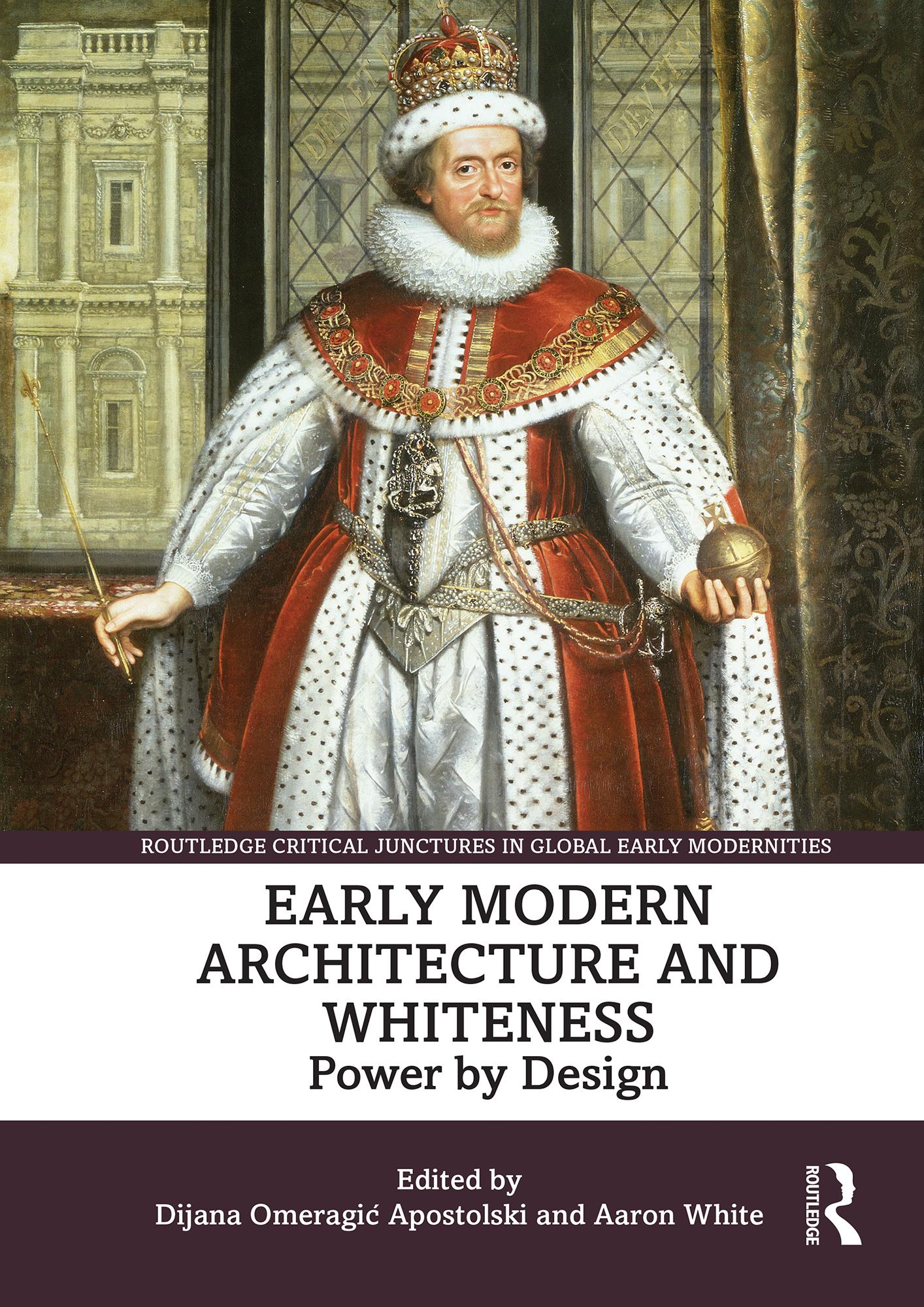
Framing whiteness as a sensorial quality connate with ethical, aesthetic, epistemological, and ontological hierarchies, this edited volume examines how the category of whiteness shaped architectural theories and practices across the early modern period.
What was architecture’s role in race-making, constructions of whiteness, and processes of othering more generally? How was whiteness architecturally questioned, reinforced, conceptualized, practiced, and materialized? And how did whiteness intersect with categories such as class, nation, gender, beauty, hygiene, and health? In examining these questions, this volume explores the ways in which premodern critical race studies allow us to reimagine the boundaries and possibilities of architectural research, design, and practice.
The book will be of interest to scholars working in architectural history, art history, early modern studies, and the history of race.
Pay easily by card, Klarna, Apple Pay or Google Pay. Not happy? You always have a 14-day money-back guarantee. Read more in our terms. If you have any questions, email us at hello@memmo.org.
Memmo makes studying easier – wherever you are in the world. We bring your course books and smart study tools together in one place: summaries, quizzes, podcasts and flashcards. Plus Ted, your study buddy who answers anything you wonder. Over 50,000 students already study here – built to help you learn faster and stress less.