
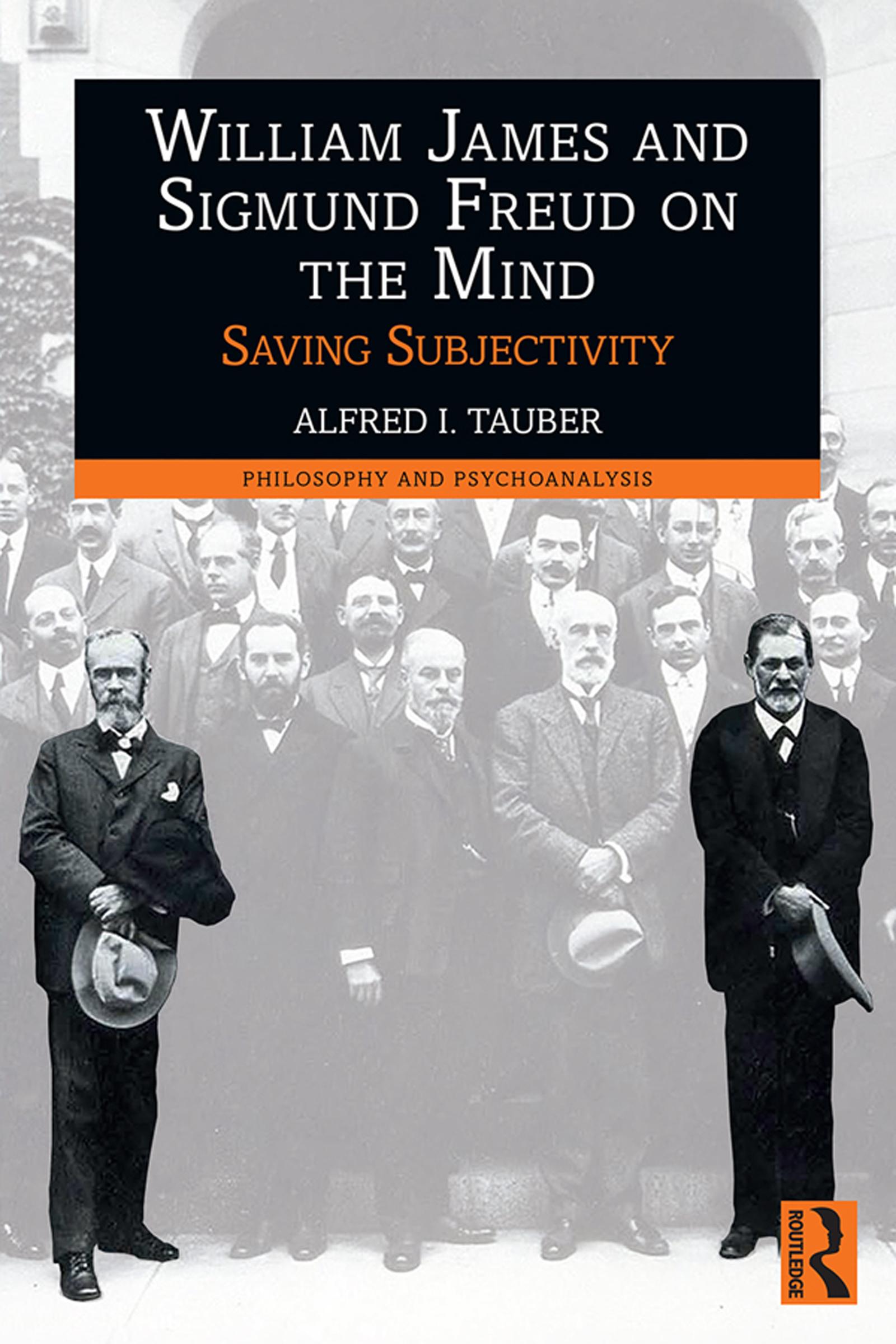
This is the first extended study comparing the philosophies of mind promoted by Sigmund Freud and William James, whose opposing views had profound influences on the development of twentieth-century philosophy, cognitive science, and psychology.
Each asked, can the mind be scientifically characterized? While Freud thought that psychoanalysis had established a science of the mind, James maintained that the subjective could not be objectified, and psychology was left with only "the crumbs" of analysis. Tauber’s presentation of a conjured philosophical confrontation occasioned by their first and only meeting in 1909 uncovers the clashing philosophies of mind underlying their respective positions. In comparing their opposing portraits of the psyche, persistent questions about self-knowledge, personal identity, and moral agency are presented at their fin de siècle origin. In this setting, the James-Freud dispute offers a unique perspective about our own contemporary dilemmas swirling around selfhood, consciousness, and the subjectivity of human experience.
This eclectic history of early psychology will interest psychoanalysts, psychologists, and philosophers as well as those interested in the origins of pragmatism, phenomenology, modernism, and twentieth-century positivism.
Pay easily by card, Klarna, Apple Pay or Google Pay. Not happy? You always have a 14-day money-back guarantee. Read more in our terms. If you have any questions, email us at hello@memmo.org.
Memmo makes studying easier – wherever you are in the world. We bring your course books and smart study tools together in one place: summaries, quizzes, podcasts and flashcards. Plus Ted, your study buddy who answers anything you wonder. Over 50,000 students already study here – built to help you learn faster and stress less.