
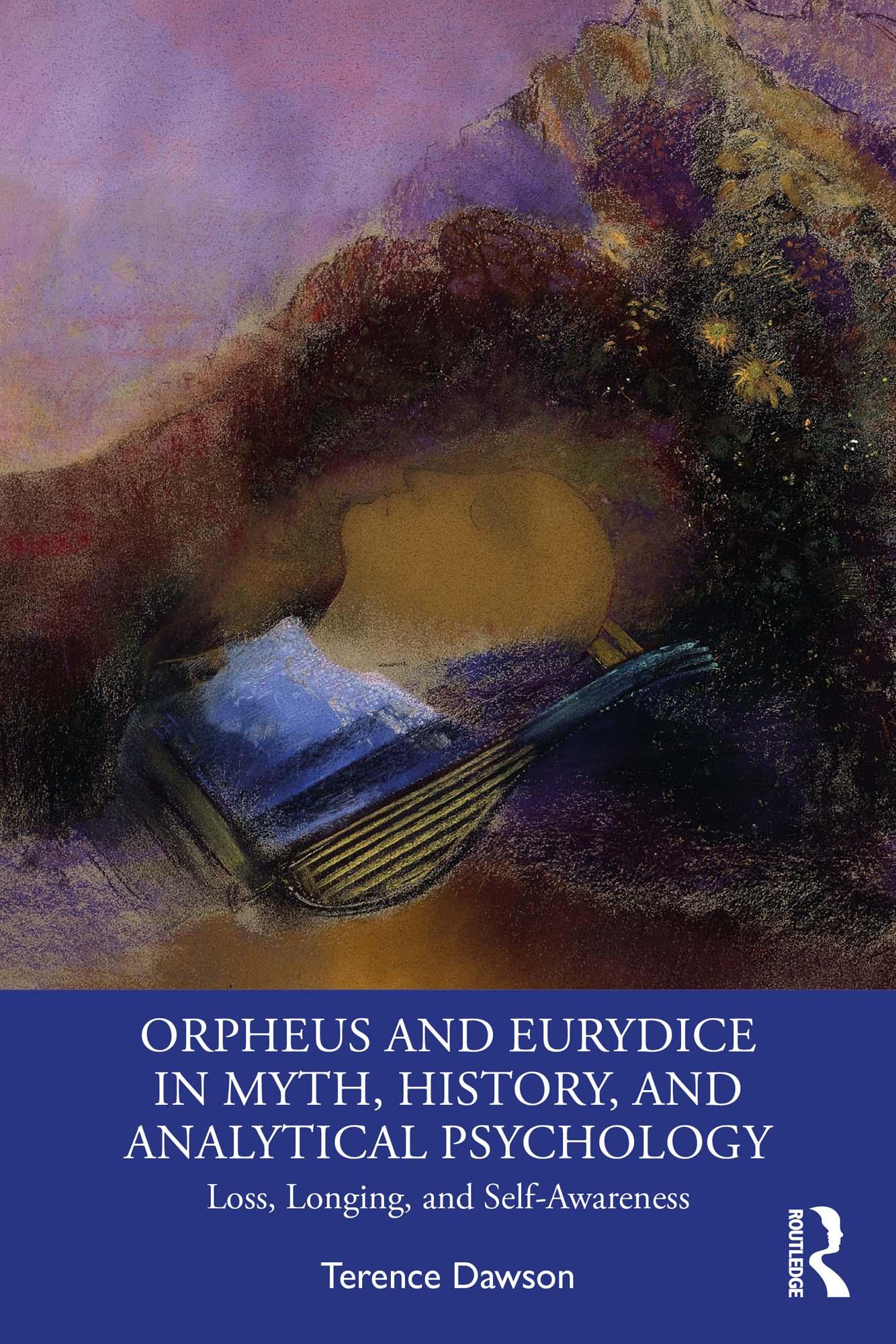
This fascinating study shows how the minor Greek story of Orpheus and Eurydice came to have a more persistent and varied impact on Western culture than any other Greek myth. In the last 2,000 years, it has captivated the imagination of successive ages. Writers and other artists have turned to it to explore unexpectedly diverse concerns, from classical philosophy, through Christian values, to challenges involving individual psychology and societal well-being.
Dawson’s study of the mythic imagination traces how these concerns unfold in poems, plays, novels, films, paintings, operas, ballets, and sculptures. It charts a history of responses to the experience of loss and longing and the need to grow in self-awareness. And it illustrates how responses to this myth anticipate many of the claims associated with analytical psychology.
This book will be of interest to analysts, scholars, and students working with Jung’s ideas, and to all those interested in adaptations of myth and the implications they harbour.
Pay easily by card, Klarna, Apple Pay or Google Pay. Not happy? You always have a 14-day money-back guarantee. Read more in our terms. If you have any questions, email us at hello@memmo.org.
Memmo makes studying easier – wherever you are in the world. We bring your course books and smart study tools together in one place: summaries, quizzes, podcasts and flashcards. Plus Ted, your study buddy who answers anything you wonder. Over 50,000 students already study here – built to help you learn faster and stress less.