
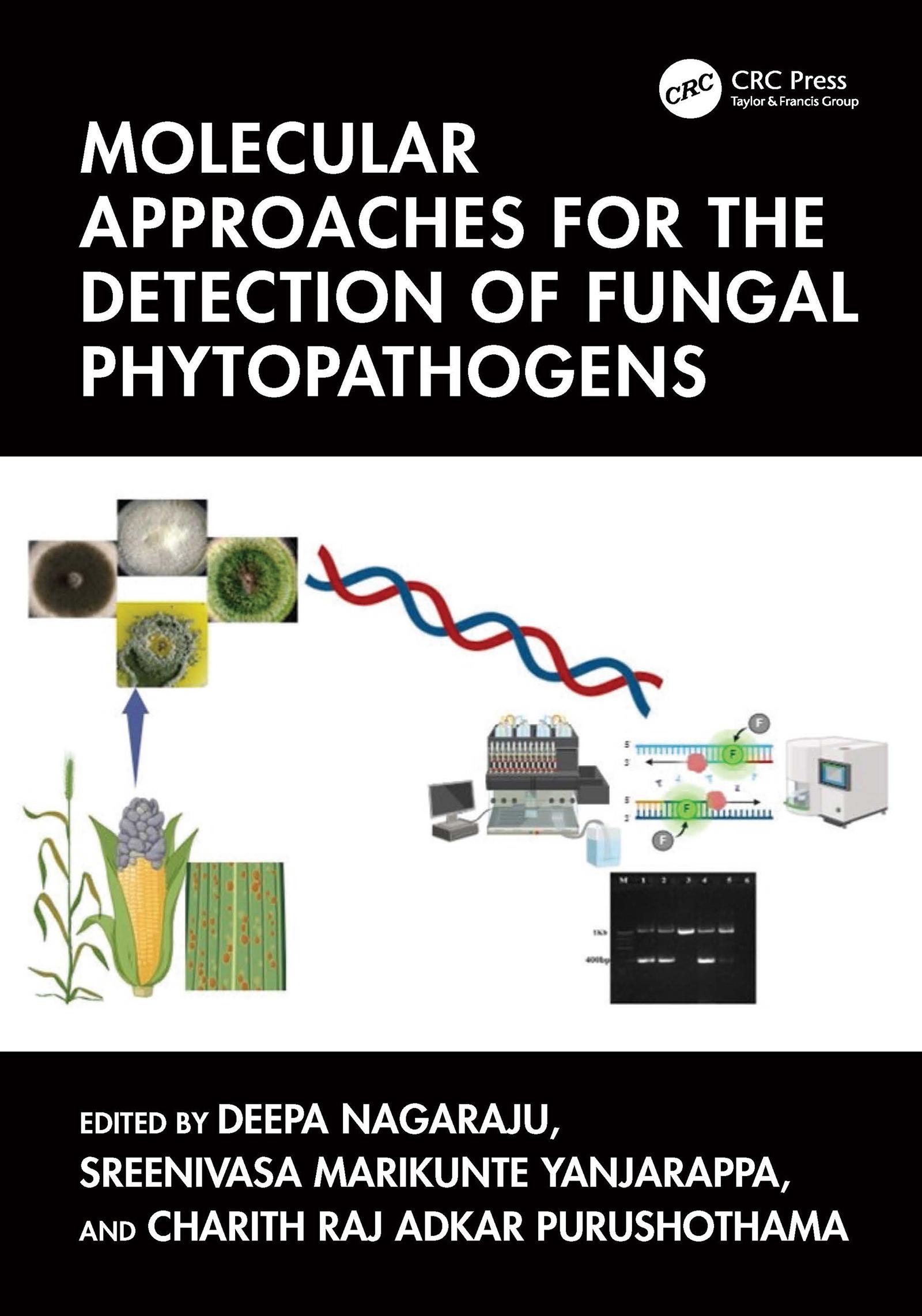
This book discusses recent advancements and updates in the molecular diagnostics of fungal phytopathogens. The techniques covered in the seventeen chapters help in understanding the importance of early detection of fungal pathogens and their toxins in both post- and pre-harvest stages of crop production. Molecular Approaches for the Detection of Fungal Phytopathogens describes the fungal identification and isolation from different sources such as food, feed and cereals using molecular approaches. These include variants of polymerase chain reaction (PCR) involving: generic (genus and species) and gene-specific primers, RNA-sequence-based next-generation sequences, microarrays, serial analysis of gene expression, fluorescence in-situ hybridization, loop-mediated isothermal amplification, macroarrays, PCR-denaturing gradient gel electrophoresis, magnetic capture hybridization-PCR, nanotechnology, and immunoassays providing faster and more sensitive approaches than traditional methods that overcome challenges by developing novel disease control strategies.
Features
- Explores various diagnostic strategies for phytopathogens
- Discusses early detection methods when fungal spores are low or there are no visible symptoms
- Provides a historical perspective and compares the traditional methods of detection with the current molecular techniques
- Describes details of the protocol of every technique mentioned
- Covers point-of-care testing for fungal pathogens and quality assurance for molecular testing in plant health
Pay easily by card, Klarna, Apple Pay or Google Pay. Not happy? You always have a 14-day money-back guarantee. Read more in our terms. If you have any questions, email us at hello@memmo.org.
Memmo makes studying easier – wherever you are in the world. We bring your course books and smart study tools together in one place: summaries, quizzes, podcasts and flashcards. Plus Ted, your study buddy who answers anything you wonder. Over 50,000 students already study here – built to help you learn faster and stress less.