
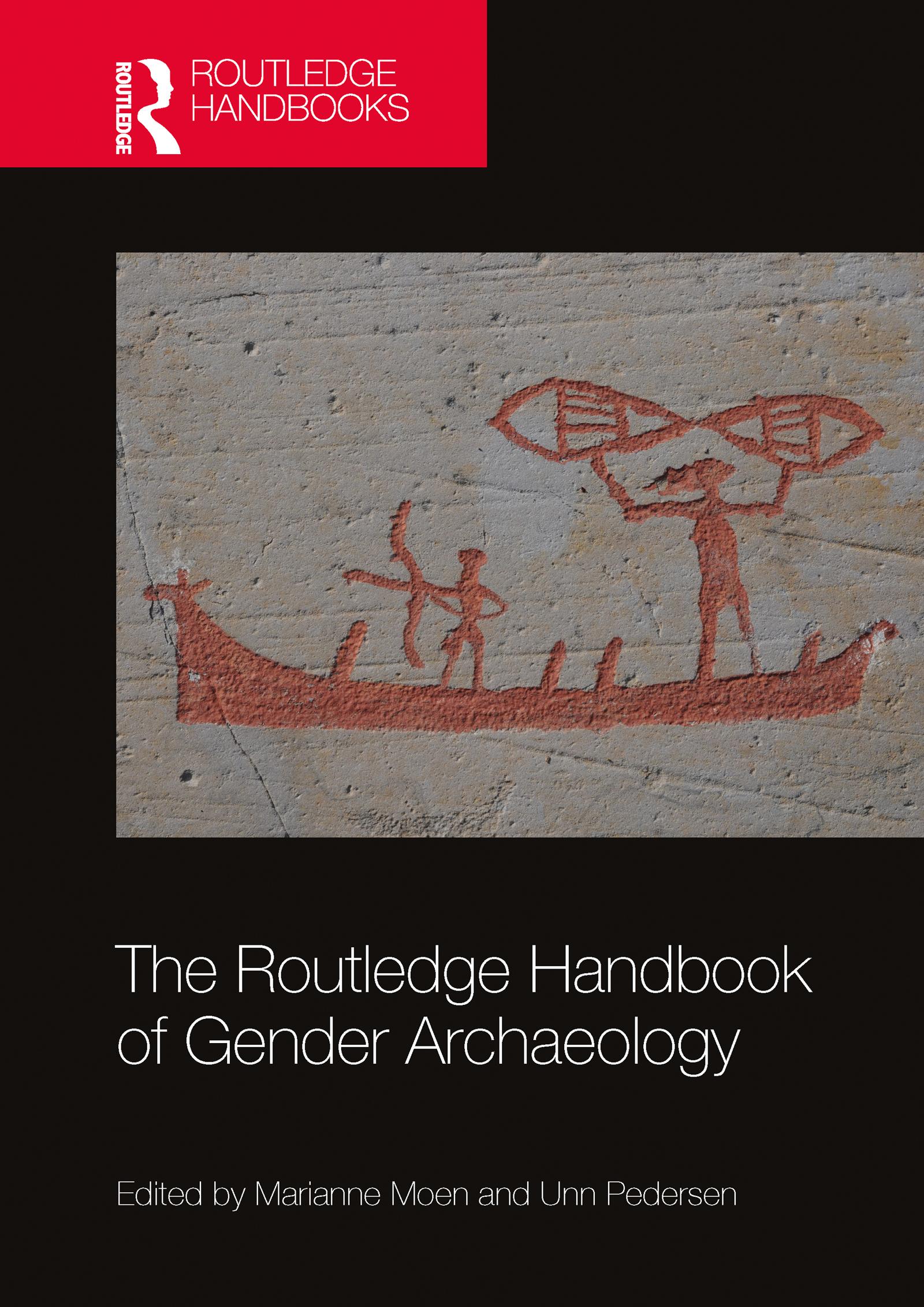
This volume presents a comprehensive overview of gender archaeology, both theory and practice, and contributes a substantial and definitive reference work by bringing together state-of-the-art research, theoretical overviews, and the latest debates in the field.
Responding to the shifts in the theoretical landscape and the societal and political frameworks within which we produce our knowledge, chapters create both a solid theoretical baseline which help readers grasp the significance of gender in archaeology as well as offer perspectives on how to engender produced knowledge about the past. In line with recent focus on the shortcomings of gender and archaeological representation, chapters also detangle academic discourse and popular representations in order to present novel ways of successfully negotiating the pitfalls of gendered ideas about past behaviours. By encouraging novel ways of integrating theoretical perspectives with scrutiny of gender stereotypes, original empirical examinations of identity markers and behaviours, and re-examinations of static representations of identities through new lenses, such as intersectional perspectives, personhood, and materiality debates, the volume is theoretically rich and will simultaneously provide a necessary benchmark for future archaeological discourses. Finally, it will incorporate perspectives from researchers with diverse backgrounds and viewpoints to provide a truly comprehensive overview. It will not shy away from engaging with politically contentious issues surrounding knowledge production but will include perspectives from researchers whose focus is less on feminist critiques and more on gender and identities. Thus, the volume bridges the two most prominent directions currently discernible within the focus area, namely, feminist re-examinations on the one hand and research focused more on bodily practice and gendered experiences on the other.
The Routledge Handbook of Gender Archaeology is an invaluable resource for students and researchers in gender archaeology as well as gender studies more widely.
Pay easily by card, Klarna, Apple Pay or Google Pay. Not happy? You always have a 14-day money-back guarantee. Read more in our terms. If you have any questions, email us at hello@memmo.org.
Memmo makes studying easier – wherever you are in the world. We bring your course books and smart study tools together in one place: summaries, quizzes, podcasts and flashcards. Plus Ted, your study buddy who answers anything you wonder. Over 75,000 students already study here – built to help you learn faster and stress less.