
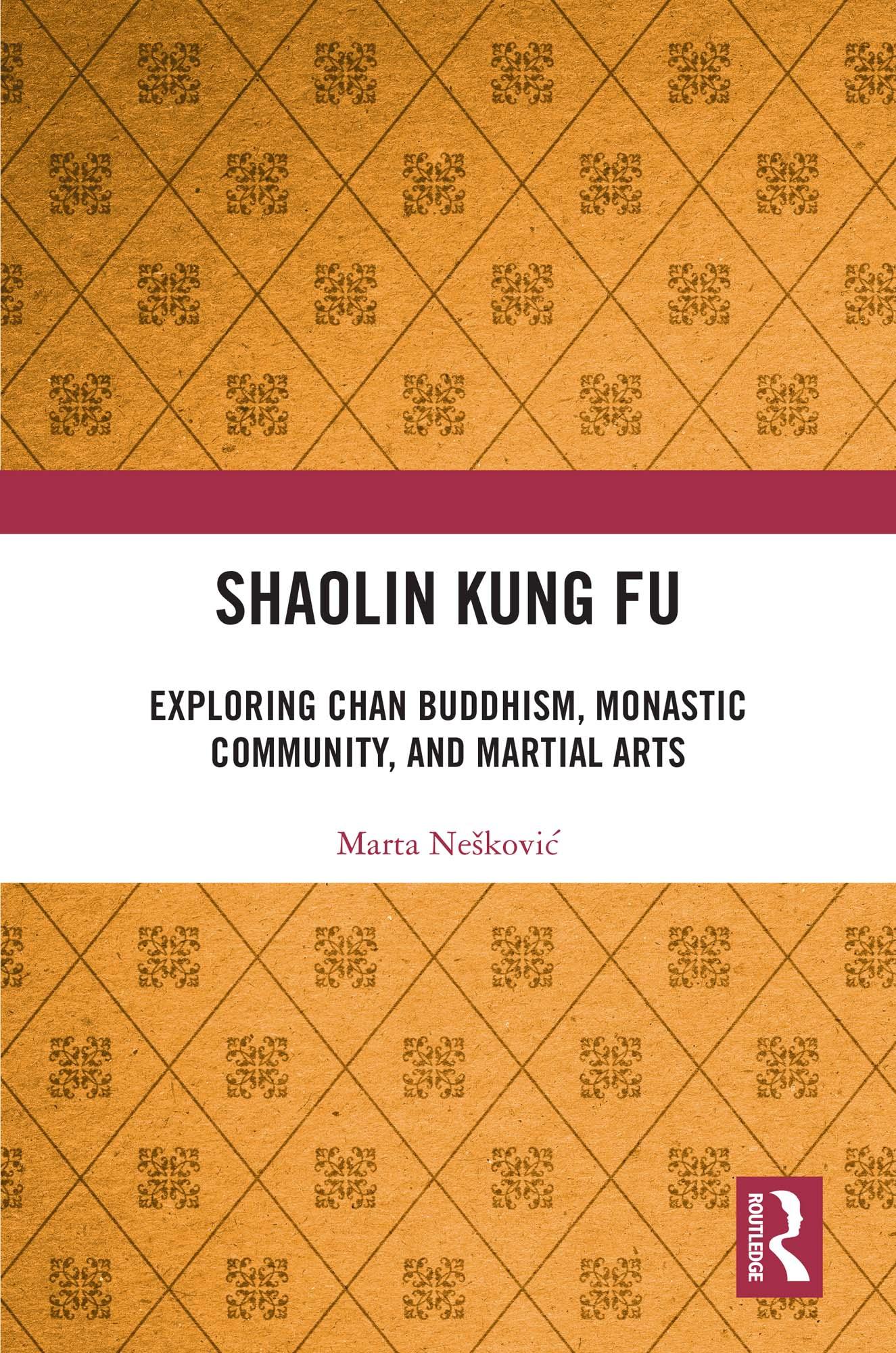
This book investigates contemporary Shaolin Kung Fu, situated between tradition and modernity. Deeply rooted in the philosophical and religious traditions of Chan Buddhism and concurrently evolving under the influence of globalization, this martial art serves as a Chan Buddhist practice within the Shaolin monastic community. Illuminating the rich cultural heritage of Shaolin Kung Fu and its ongoing relevance in the contemporary world, the analysis is grounded in long-term ethnographic fieldwork conducted at the Shaolin Monastery in Henan Province, China. The author argues that the spiritual essence of Shaolin Kung Fu is derived not from its constituent elements, such as body movements and techniques, but rather from the Chan Buddhist structures of meaning the practitioners embody. By highlighting the relationship between habitus, lived body, and dynamic embodiment, the book offers a novel perspective on the intersection of spirituality and martial arts. Providing a deeper understanding of the cultural, religious, and philosophical foundations that underpin Shaolin Kung Fu, this is a valuable reading for scholars of anthropology, sociology, religious studies, cultural heritage, and China studies, as well as for academics and practitioners with an interest in martial arts.
Pay easily by card, Klarna, Apple Pay or Google Pay. Not happy? You always have a 14-day money-back guarantee. Read more in our terms. If you have any questions, email us at hello@memmo.org.
Memmo makes studying easier – wherever you are in the world. We bring your course books and smart study tools together in one place: summaries, quizzes, podcasts and flashcards. Plus Ted, your study buddy who answers anything you wonder. Over 50,000 students already study here – built to help you learn faster and stress less.