
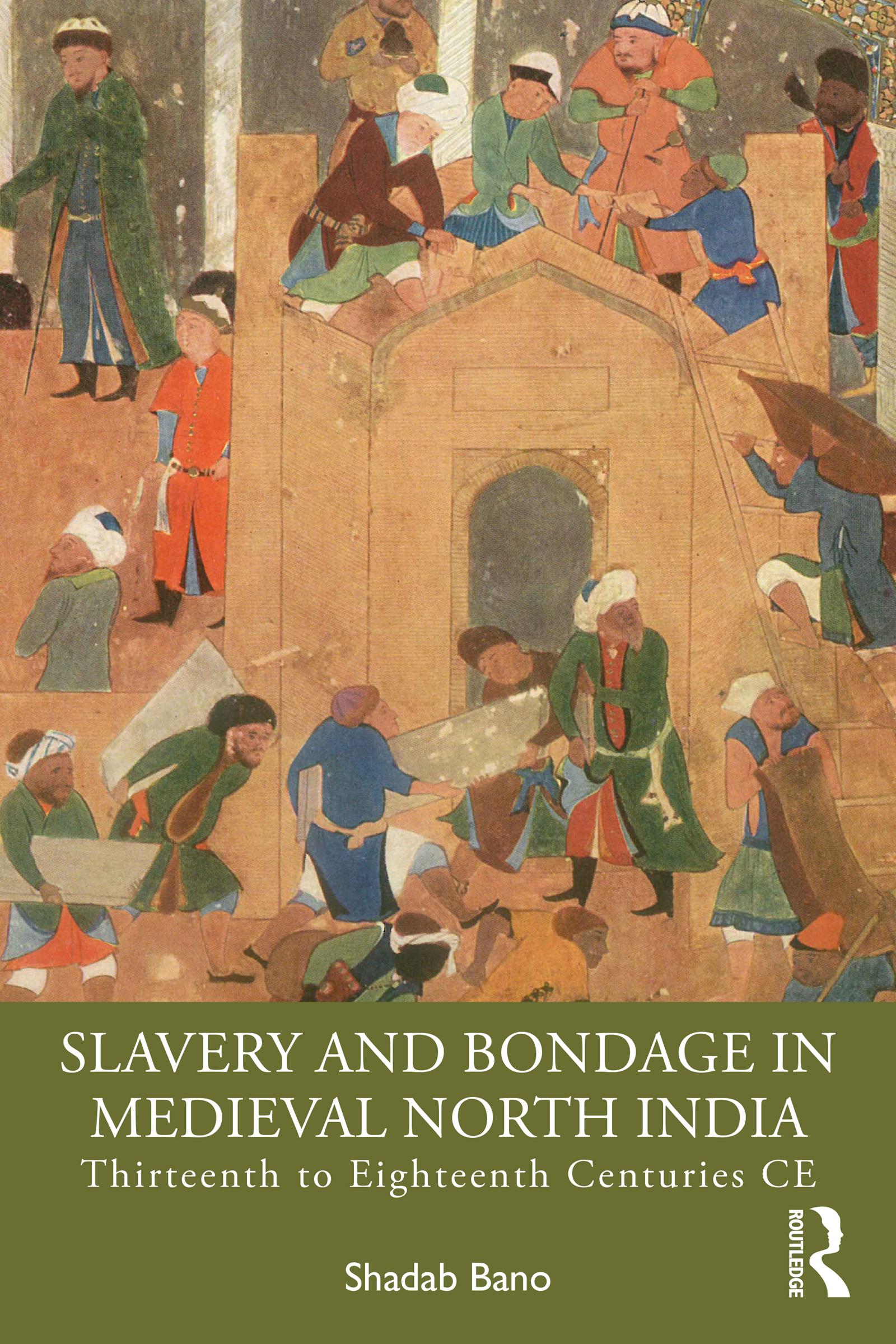
This book examines slavery in India from the Turkish conquest of North India to the centuries of Mughal rule. It focuses on the northern Islamic regimes’ treatment of slavery but not limited or determined by the actions and demands of the ruling class alone. Societies normalized the practices, and the norms were socially constituted, which included slaves’ acceptance, resistance, and use of agency in the process. It shows how the transformations on the ground made the social-economic and ethical environment of slavery no longer the same over the centuries and the expansion or contraction of slavery corresponded to the structural changes and ethical developments specific to the Indian milieu.
The volume will be of great interest to scholars and researchers of South Asian studies, history and slavery.
Pay easily by card, Klarna, Apple Pay or Google Pay. Not happy? You always have a 14-day money-back guarantee. Read more in our terms. If you have any questions, email us at hello@memmo.org.
Memmo makes studying easier – wherever you are in the world. We bring your course books and smart study tools together in one place: summaries, quizzes, podcasts and flashcards. Plus Ted, your study buddy who answers anything you wonder. Over 50,000 students already study here – built to help you learn faster and stress less.