
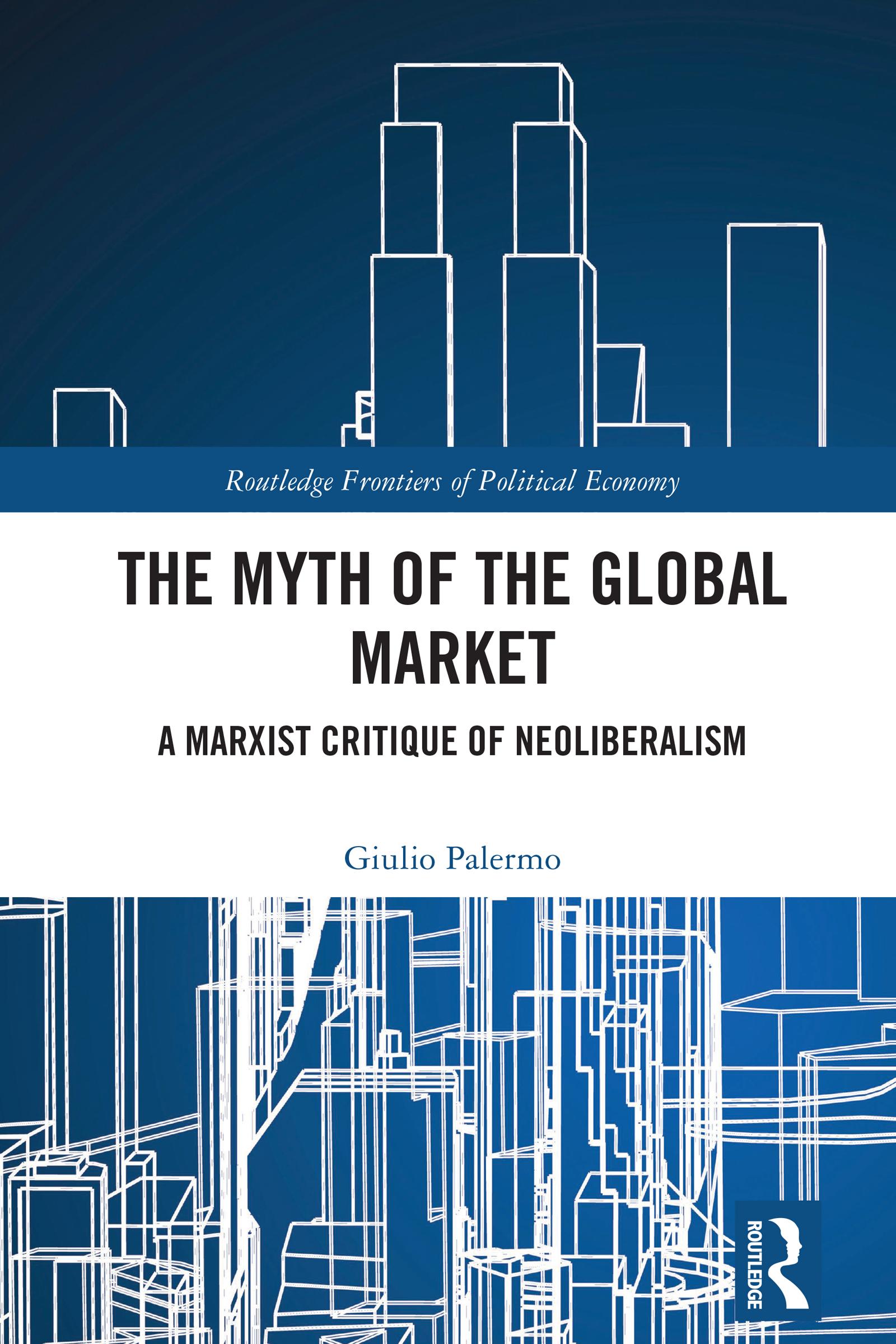
Capitalism is often held to be the best of all possible worlds, or even the only possible world, in which the market is underpinned by the highest principles of rationality, efficiency, and compatibility with democracy. These truths are backed up by economists, a group who present themselves as impartial experts capable of operating independently of ideology or political intrusion.
This book questions these “scientific truths”. It discusses the ideological foundations of neoliberalism and the value judgements, often kept implicit, in economic theory. It analyses the claims of the key pillars of neoliberal economics – the neoclassical and Austrian schools of economic thought – and the myths which they propagate about markets. It is shown that there is a deep division between the theoretical market - the fair market, the free market, the market of equal opportunities, the market as producer of wealth, the market as a forum for discovering and sharing information – and the reality. This is not a simple problem of realism. The problem also concerns the perfect market idealized by these theories, which is subjected to criticism through a process of demystification that reveals the true ideological content hidden behind the market myths. There have been various attempts by heterodox schools of economics to move beyond this flawed view of the market. However, these have struggled to gain mainstream attention because of the cultural and political dominance of the neoliberal mindset which is claimed to be objective and neutral. Ultimately, the book argues that neoliberalism needs to be countered with an alternative based on a progressive decommodification of social relations to reduce the real and imagined significance of the market.
This book is essential reading for those interested in Marxist political economy, heterodox economics, and critiques of neoliberalism, capitalism and markets.
Pay easily by card, Klarna, Apple Pay or Google Pay. Not happy? You always have a 14-day money-back guarantee. Read more in our terms. If you have any questions, email us at hello@memmo.org.
Memmo makes studying easier – wherever you are in the world. We bring your course books and smart study tools together in one place: summaries, quizzes, podcasts and flashcards. Plus Ted, your study buddy who answers anything you wonder. Over 50,000 students already study here – built to help you learn faster and stress less.