
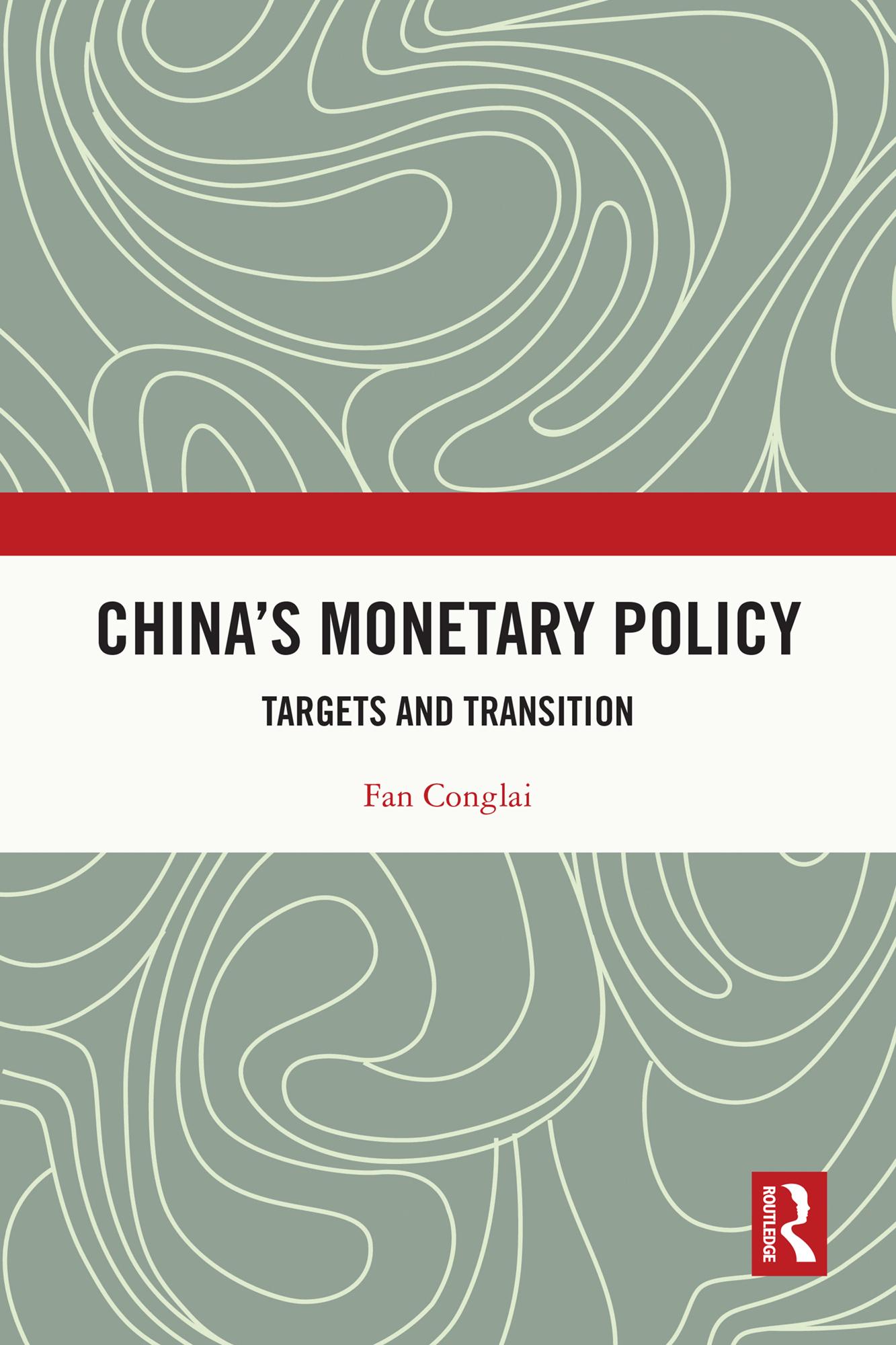
By applying modern monetary theories to China’s reality, this book reviews the development practice of China’s monetary policy and discusses the transitional goals of China’s monetary policy in the new stage of high-quality economic development.
The book focuses on the formation mechanism of China’s inflation from the perspective of learning expectations, adaptive learning and dual labor market structure. It examines the monetary policy objectives of inflation management in an open economy, analyzes the causes of China’s price fluctuations from a global perspective and discusses the optimal policy space of the optimal RME exchange rate regime and the synergy between finance and business cycles. The author proposes a policy framework of capital regulation to deal with financial shocks and provides monetary policy options to deal with financial and business cycles. This work helps readers to understand the internal theoretical logic of the target transition of China’s monetary policy framework and points out that China’s monetary policy reforms are driven by the economic contradictions it faces at different stages of development.
The title will provide references for scholars, students and policymakers interested in China’s monetary policy and provide experience and guidance for other developing countries to set their monetary policy targets and promote the transition of the monetary system.
Pay easily by card, Klarna, Apple Pay or Google Pay. Not happy? You always have a 14-day money-back guarantee. Read more in our terms. If you have any questions, email us at hello@memmo.org.
Memmo makes studying easier – wherever you are in the world. We bring your course books and smart study tools together in one place: summaries, quizzes, podcasts and flashcards. Plus Ted, your study buddy who answers anything you wonder. Over 50,000 students already study here – built to help you learn faster and stress less.