
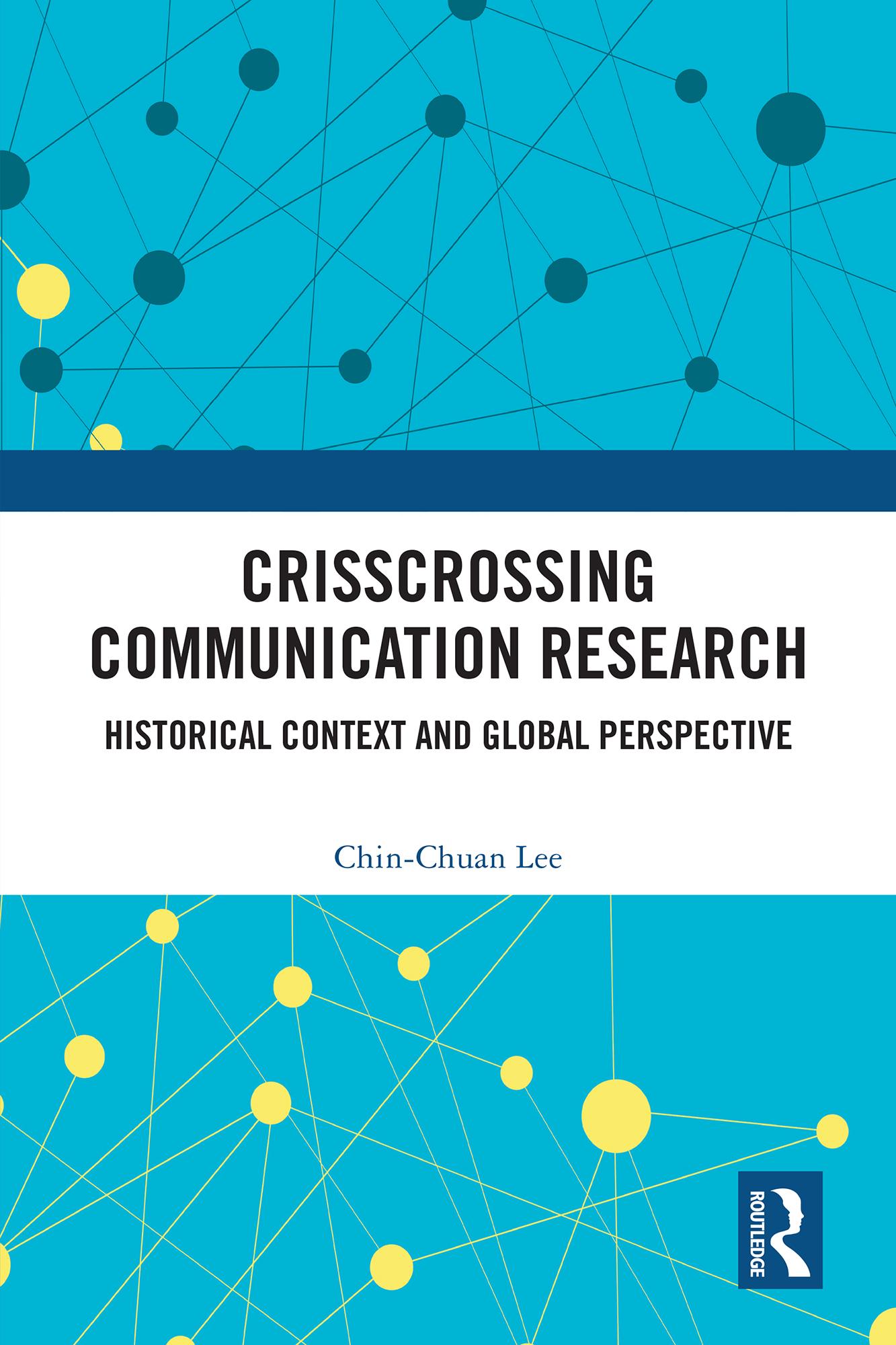
Drawing on studies of international communication and late Qing and Republican newspapers, this book examines the intellectual and practical development of communication from a global and historical perspective.
The book is organized in two parts. The first part explores the “domestication” and fragmentation of communication studies, examining how domestic communication paradigms have been transformed into “refined mediocrity” and how international communication is now included in discussions of “modern theory”. Focusing on the newspapers of China’s Republican era, the second part explores the history of journalism from a variety of perspectives and addresses several key research issues. By exploring ways to connect theories in the humanities and social sciences, bridging the gap between Eastern and Western cultures, and interweaving case studies and macro-level theorizing, the author shows that communication analysis is necessarily dialectical, specific, complementary, and conditional. The book sheds important light on how acting locally while thinking globally can help us reconstruct the epistemological and methodological foundations of international communication.
The title will appeal to scholars and students in communication studies, journalism, and the social sciences, especially those interested in international communication.
Pay easily by card, Klarna, Apple Pay or Google Pay. Not happy? You always have a 14-day money-back guarantee. Read more in our terms. If you have any questions, email us at hello@memmo.org.
Memmo makes studying easier – wherever you are in the world. We bring your course books and smart study tools together in one place: summaries, quizzes, podcasts and flashcards. Plus Ted, your study buddy who answers anything you wonder. Over 75,000 students already study here – built to help you learn faster and stress less.