
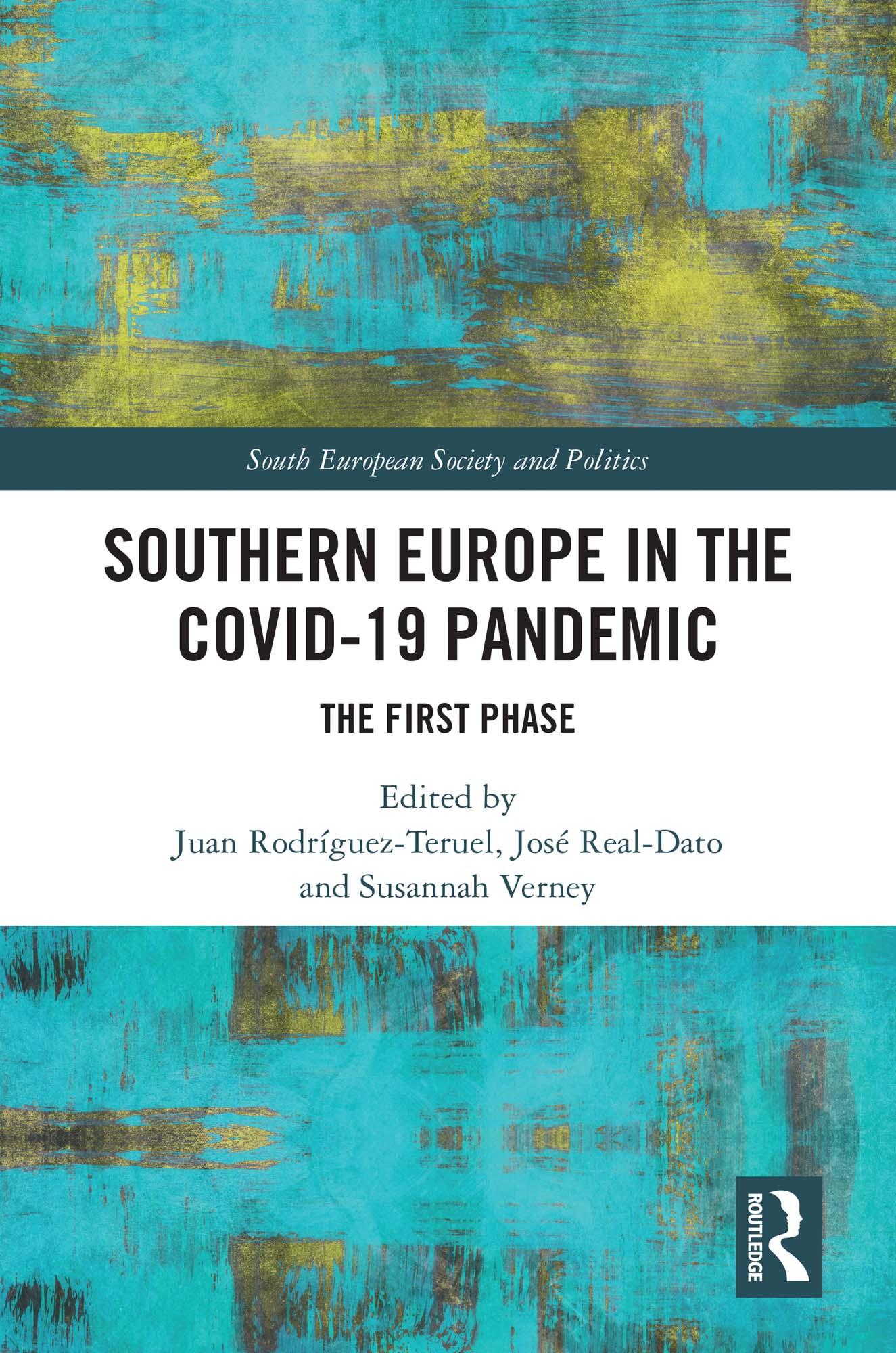
This book investigates the fast-learning experience of Covid-19’s initial onset in a region long renowned for low state capacity, political polarisation and weak health systems.
Covid-19, a global health emergency entailing a major existential threat, presented a crucial challenge for national governments and political systems. It elicited drastic policy measures, including unprecedented lockdowns. The question of how and why some states acted more effectively in facing this emergency situation has important implications for future crisis management. The outcomes varied greatly across countries, ranging from examples for emulation to dire portents of the consequences of losing control. Case studies of Italy, Greece, Spain, Portugal, and Turkey examine crisis preparedness, policy response, political dynamics and societal reception. A comparative overview chapter offers potential explanations for the divergence in national performance.
This volume will be of great use to students and researchers across the fields of European studies, political leadership, public policy, governance and public health. The chapters in this book were originally published as a special issue of South European Society and Politics.
Pay easily by card, Klarna, Apple Pay or Google Pay. Not happy? You always have a 14-day money-back guarantee. Read more in our terms. If you have any questions, email us at hello@memmo.org.
Memmo makes studying easier – wherever you are in the world. We bring your course books and smart study tools together in one place: summaries, quizzes, podcasts and flashcards. Plus Ted, your study buddy who answers anything you wonder. Over 50,000 students already study here – built to help you learn faster and stress less.