
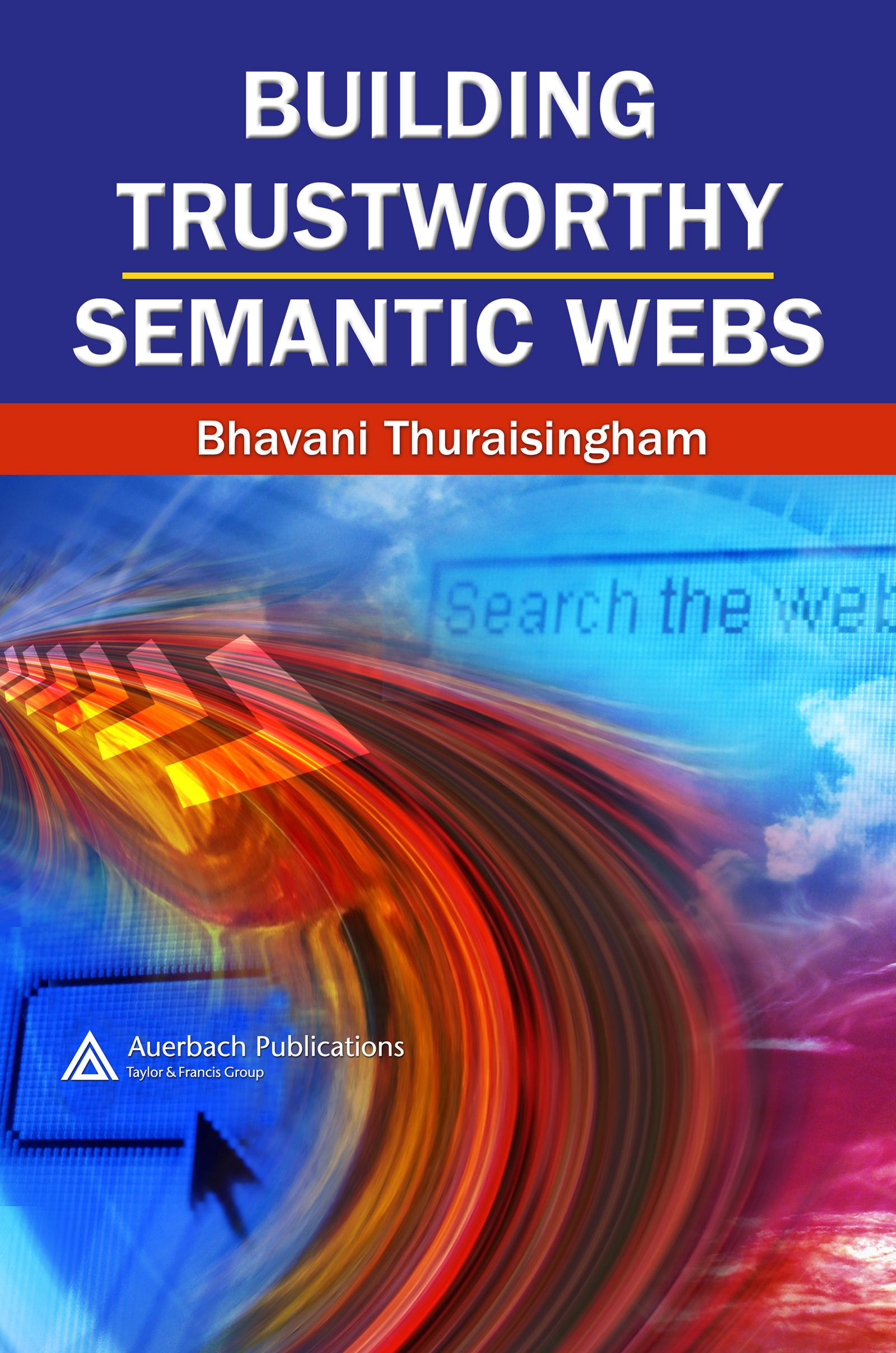
Semantic Webs promise to revolutionize the way computers find and integrate data over the internet. They will allow Web agents to share and reuse data across applications, enterprises, and community boundaries. However, this improved accessibility poses a greater threat of unauthorized access, which could lead to the malicious corruption of information. Building Trustworthy Semantic Webs addresses the urgent demand for the development of effective mechanisms that will protect and secure semantic Webs.
Design Flexible Security Policies to Improve Efficiency
Securing semantic Webs involves the formation of policies that will dictate what type of access Web agents are allowed. This text provides the tools needed to engineer these policies and secure individual components of the semantic Web, such as XML, RDF, and OWL. It also examines how to control unauthorized inferences on the semantic Web. Since this technology is not fully realized, the book emphasizes the importance of integrating security features into semantic Webs at the onset of their development.
Through its expansive coverage, Building Trustworthy Semantic Webs describes how the creation of semantic security standards will ensure the dependability of semantic Webs. It provides Web developers with the tools they need to protect sensitive information and guarantee the success of semantic Web applications.
Pay easily by card, Klarna, Apple Pay or Google Pay. Not happy? You always have a 14-day money-back guarantee. Read more in our terms. If you have any questions, email us at hello@memmo.org.
Memmo makes studying easier – wherever you are in the world. We bring your course books and smart study tools together in one place: summaries, quizzes, podcasts and flashcards. Plus Ted, your study buddy who answers anything you wonder. Over 75,000 students already study here – built to help you learn faster and stress less.