
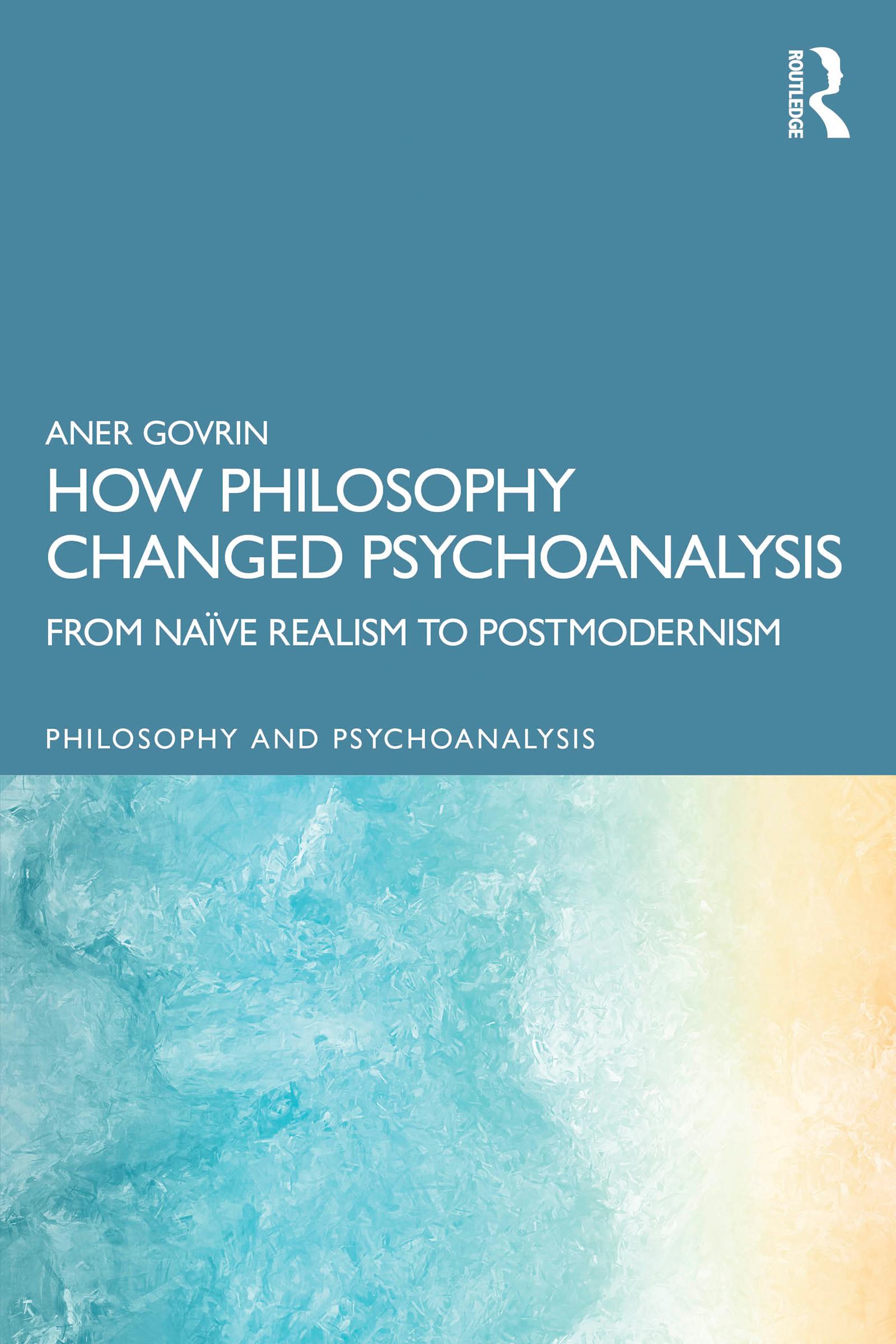
Through this book, philosopher and psychoanalyst Aner Govrin demonstrates how psychoanalysis’ engagement with philosophy was crucial in the evolution of new psychoanalytic theories in three areas: perception of truth, developmental theories, and study of psychoanalytic treatment.
Beginning with a Freudian perspective, through ego psychology to the intersubjective and the relational approach, Govrin shows that philosophy seeps into psychoanalytic theory itself, becoming a constitutive factor. When we discuss psychoanalysis, we cannot do it without reference to philosophy, since virtually every sentence it has generated harks back to and is embedded in philosophy. Moving onto the Post-psychoanalytic Schools Era in the second part, this seminal volume provides a model for understanding the evolution of psychoanalytic thought in the postmodern era, where “sensibilities” like the relational approach and infant research replaced the orthodox psychoanalytic schools. Govrin also explores whether psychoanalysis is a branch of philosophy, how psychoanalysis progresses, what a psychoanalytic innovation is, and why mainstream psychoanalysis rejects neuropsychoanalysis.
Exploring the intricate relationship between psychoanalysis and philosophy, this book will be of interest to clinicians, scholars, teachers, and students of contemporary psychoanalysis across a broad spectrum of theoretical orientations, as well as those in philosophy of science, epistemology, and neuropsychoanalysis.
Pay easily by card, Klarna, Apple Pay or Google Pay. Not happy? You always have a 14-day money-back guarantee. Read more in our terms. If you have any questions, email us at hello@memmo.org.
Memmo makes studying easier – wherever you are in the world. We bring your course books and smart study tools together in one place: summaries, quizzes, podcasts and flashcards. Plus Ted, your study buddy who answers anything you wonder. Over 50,000 students already study here – built to help you learn faster and stress less.