
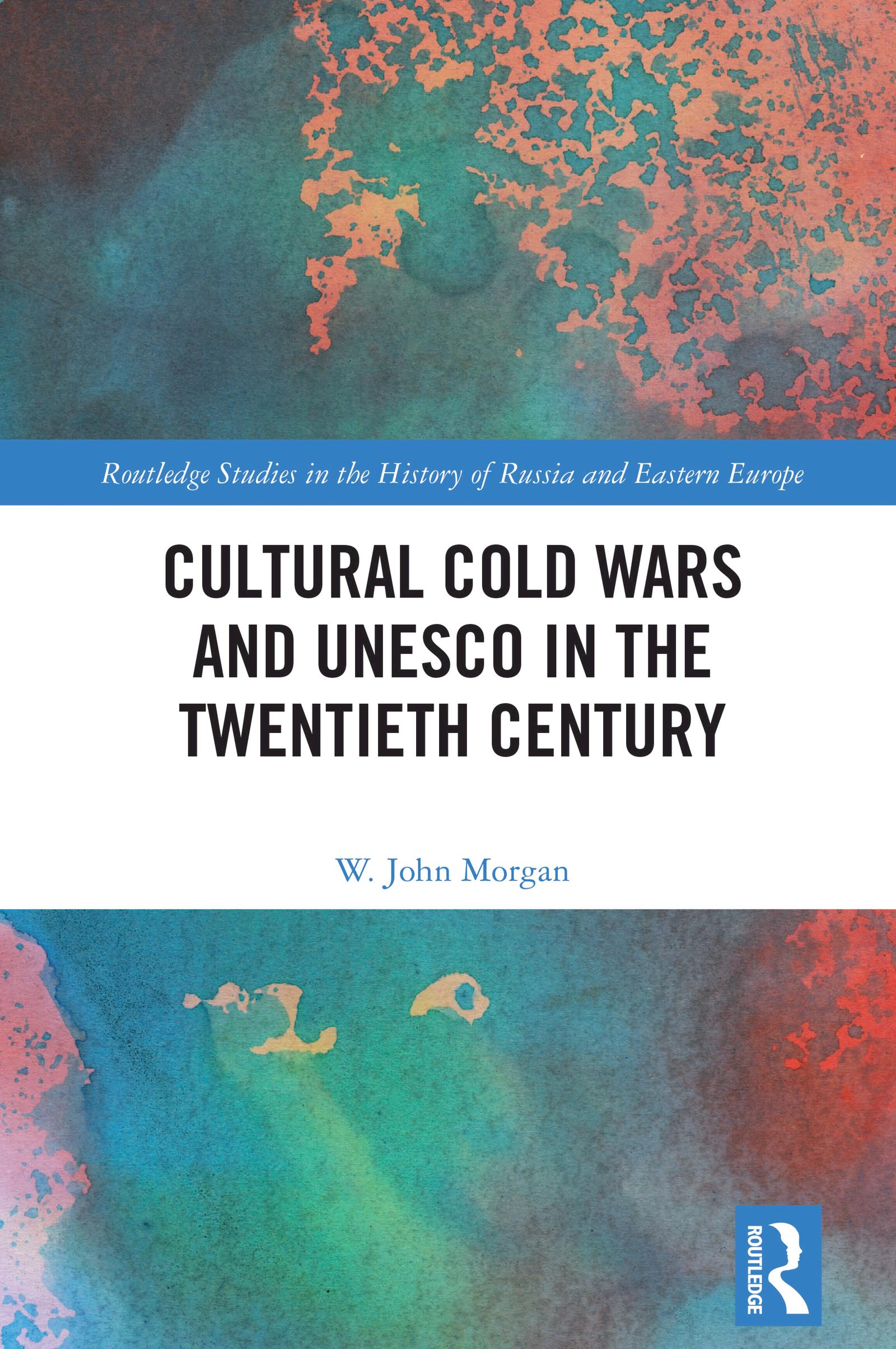
Cultural Cold Wars and UNESCO in the Twentieth Century addresses the now-considerable interest in the concept of cultural cold war as a means of advancing ideologies.
The book charts the development of the concept in the twentieth century. Structured in two parts, Part I considers the League of Nations’ idealist attempts at international intellectual cooperation. It discusses also the first cultural cold war with the Communist International’s attempts to advance communism. It also analyses the ideological and cultural appeal of Italian fascism, German national socialism, and Japanese nationalist militarism; and the transition from a wartime alliance to a new cold war. Part II examines the renewal of international intellectual co-operation through the United Nations Educational, Scientific, and Cultural Organization (UNESCO) in the context of a second cultural cold war between the capitalist democracies and the communist bloc. The book shows that UNESCO became a site of this ideological competition and an example of its tensions.
Based on original research and a comprehensive review of the literature, including in Russian, German, and French, the book will appeal to academics, postgraduate researchers, advanced undergraduates, and others interested in recent international history and the comparative politics of ideas.
Pay easily by card, Klarna, Apple Pay or Google Pay. Not happy? You always have a 14-day money-back guarantee. Read more in our terms. If you have any questions, email us at hello@memmo.org.
Memmo makes studying easier – wherever you are in the world. We bring your course books and smart study tools together in one place: summaries, quizzes, podcasts and flashcards. Plus Ted, your study buddy who answers anything you wonder. Over 50,000 students already study here – built to help you learn faster and stress less.