
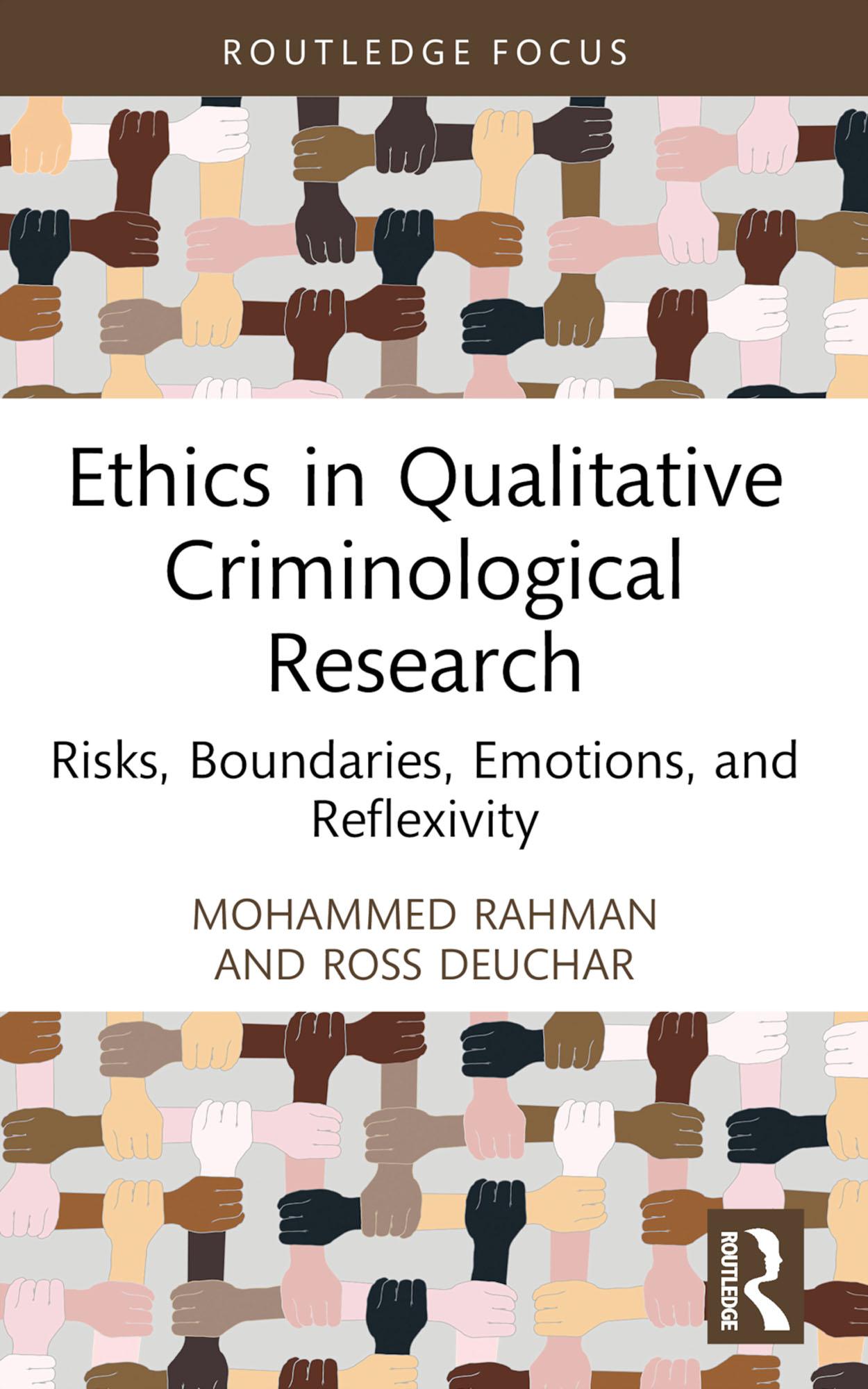
Providing academic insights, reflections, and practical guidance on ethically conducting qualitative criminological research, this book emphasizes real-life examples to navigate research risks, boundaries, and emotions, while spotlighting reflexivity as a pivotal tool for qualitative inquiries, serving as an ethical compass throughout the research process.
By engaging with this book, readers will be exposed to critical themes of managing risks, including physical harm and psychological trauma, navigating boundaries, dealing with the intense emotions that surface during research, and the importance of reflexivity in qualitative criminological research. The themes are illustrated through real-life examples that the authors have encountered during their fieldwork, using reflexive practices to highlight how they were able to ethically deal with unforeseen challenges. By presenting solutions, asking critical questions, and offering practical recommendations, the book guides readers on mitigating ethical issues, and provides a comprehensive approach to conducting research responsibly and ethically.
Ethics in Qualitative Criminological Research will be useful for undergraduate and postgraduate students, academic researchers and practitioners with an interest in conducting research, and pracademics occupying both practitioner and academic roles.
Pay easily by card, Klarna, Apple Pay or Google Pay. Not happy? You always have a 14-day money-back guarantee. Read more in our terms. If you have any questions, email us at hello@memmo.org.
Memmo makes studying easier – wherever you are in the world. We bring your course books and smart study tools together in one place: summaries, quizzes, podcasts and flashcards. Plus Ted, your study buddy who answers anything you wonder. Over 50,000 students already study here – built to help you learn faster and stress less.