
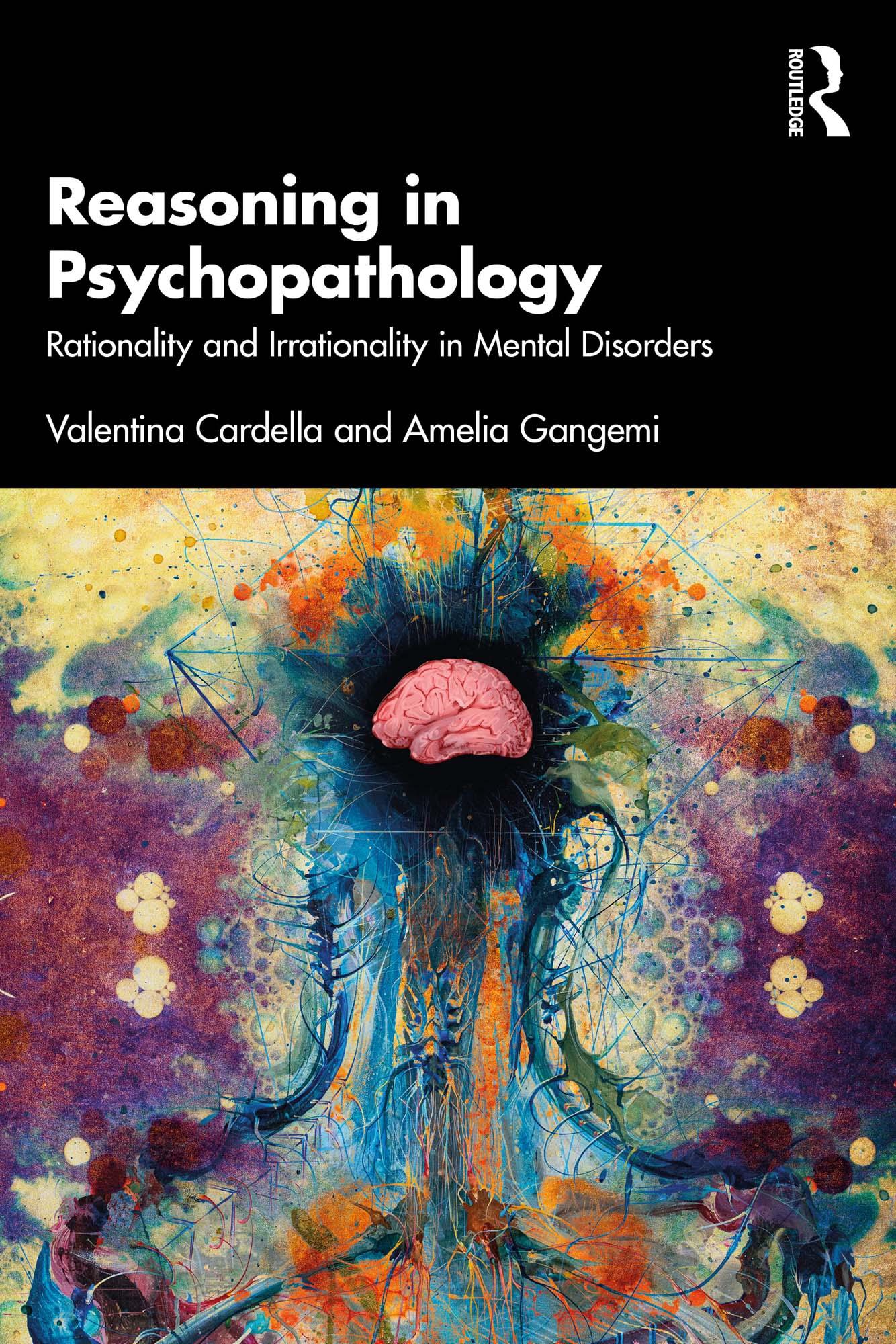
Reasoning in Psychopathology adopts a pragmatic conception of reasoning, demonstrating how people with mental disorders develop characteristic strategies of reasoning depending on the particular disorder they have and the emotions they experience.
The book argues that these strategies are perfectly rational, as the individuals are using reasoning as a tool at the service of their goals. Through the analysis of the typical reasoning styles of very different psychopathologies, from anxiety disorders to obsessive-compulsive disorder, from schizophrenia to depression and paranoia, the book argues that mental disorders can affect common sense, or social cognition, while rationality is usually preserved. Supported by recent research, the authors claim that people with mental disorders follow the same rules as healthy people, and that in some cases, when the specific topic of their disorder is at stake, they can be even more logical than healthy people.
It is a must-read for all researchers and students of rationality from cognitive psychology, psychiatry, and philosophy backgrounds.
Pay easily by card, Klarna, Apple Pay or Google Pay. Not happy? You always have a 14-day money-back guarantee. Read more in our terms. If you have any questions, email us at hello@memmo.org.
Memmo makes studying easier – wherever you are in the world. We bring your course books and smart study tools together in one place: summaries, quizzes, podcasts and flashcards. Plus Ted, your study buddy who answers anything you wonder. Over 50,000 students already study here – built to help you learn faster and stress less.