
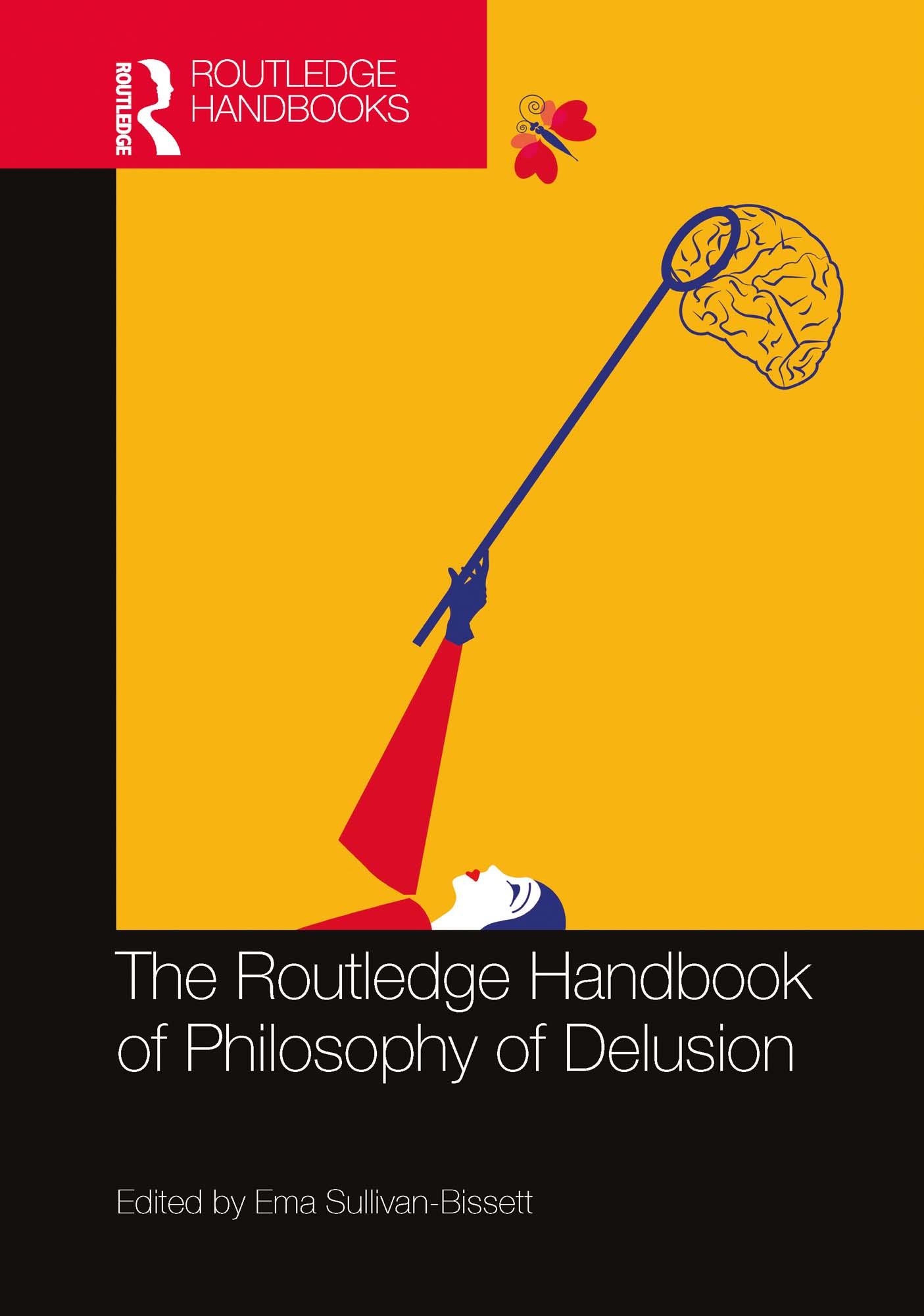
Delusions play an important and fascinating role in philosophy and are a particularly fertile area of study in recent years, spanning philosophy of mind and psychology, epistemology, ethics, psychology, psychiatry, and cognitive science. The Routledge Handbook of Philosophy of Delusion explores the conceptual and philosophical issues in the study of delusion and is the first major reference source of its kind.
Comprising 38 chapters by an international team of contributors, the Handbook is divided into six clear parts:
- The Nature of Delusion
- Delusion in Disorders
- Epistemology of Delusion
- Delusion’s Place in the Mind
- Delusion Formation
- Responsibility, Culture, and Society.
Within these sections, key topics are discussed including delusions and wellbeing, delusions as they occur in wider mental disorder, the epistemic profile of delusions (evidence, justification, rationality), how delusions are formed, delusions and folk psychology (how they relate to belief, self-deception, imagination, and so on), and delusions in the wider social and cultural context.
An outstanding resource for both students and researchers, The Routledge Handbook of Philosophy of Delusion is essential reading for those working on delusion in philosophy departments, and also suitable for those in related disciplines such as psychology, psychiatry, and cognitive science.
Pay easily by card, Klarna, Apple Pay or Google Pay. Not happy? You always have a 14-day money-back guarantee. Read more in our terms. If you have any questions, email us at hello@memmo.org.
Memmo makes studying easier – wherever you are in the world. We bring your course books and smart study tools together in one place: summaries, quizzes, podcasts and flashcards. Plus Ted, your study buddy who answers anything you wonder. Over 50,000 students already study here – built to help you learn faster and stress less.