
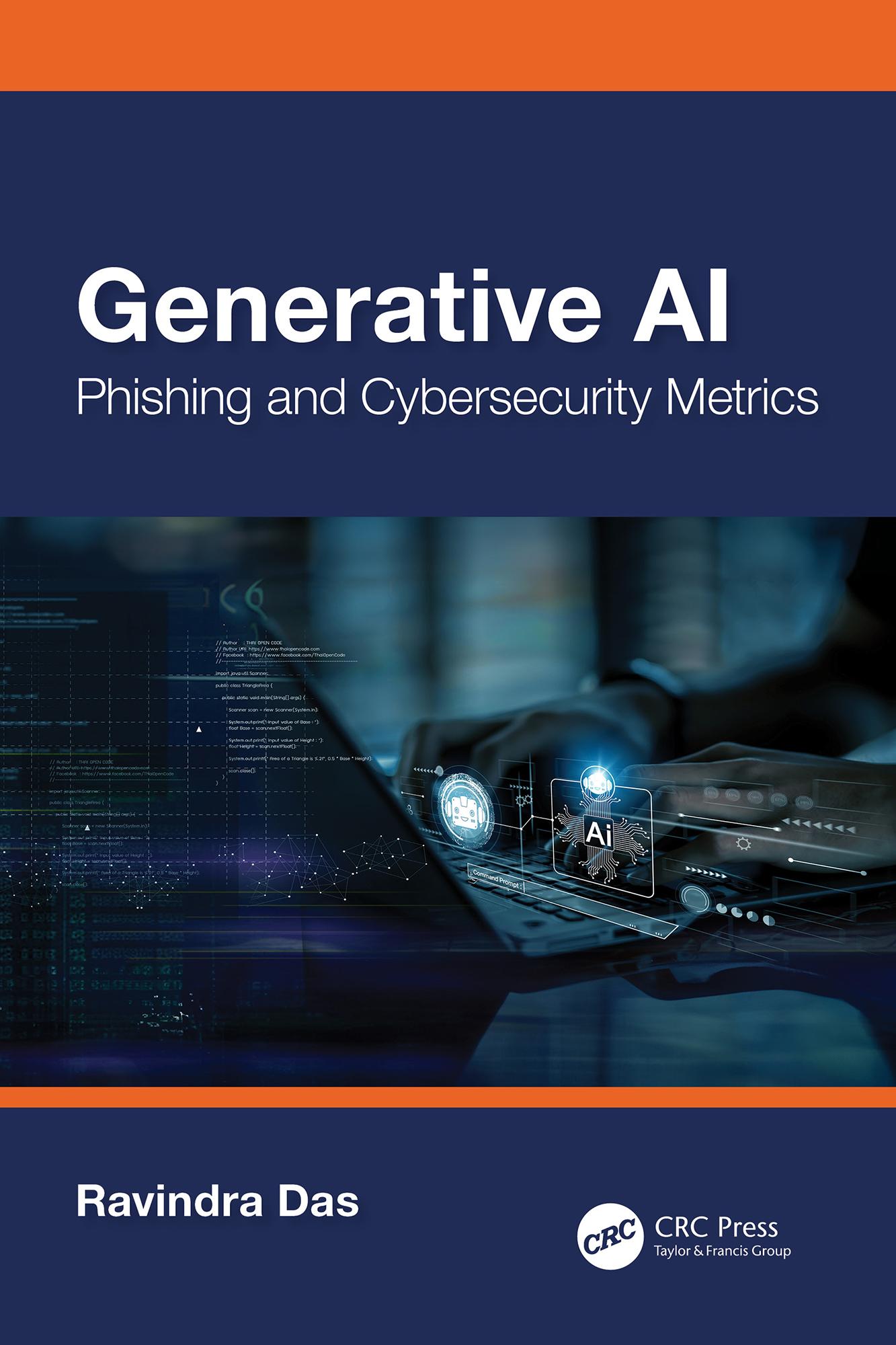
The cybersecurity landscape is changing, for sure. For example, one of the oldest threat variants is that of phishing. It evolved in the early 1990s, but even today it is still being used as a primary threat variant and has now become much more sophisticated, covert, and stealthy in nature. For example, it can be used to launch ransomware, social engineering, and extortion attacks.
The advent of Generative AI is making this much worse. For example, a cyberattacker can now use something like ChatGPT to craft the content for phishing emails that are so convincing that it is almost impossible to tell the difference between what is real and what is fake. This is also clearly evident in the use of deepfakes, where fake images of real people are replicated to create videos to lure unsuspecting victims to a fake website.
But Generative AI can also be used for the good to combat Phishing Attacks. This is the topic of this book. In this, we cover the following:
- A review of phishing
- A review of AI, Neural Networks, and Machine Learning
- A review of Natural Language Processing, Generative AI, and the Digital Person
-
A proposed solution as to how Generative AI can combat phishing attacks as they relate to Privileged Access accounts
Pay easily by card, Klarna, Apple Pay or Google Pay. Not happy? You always have a 14-day money-back guarantee. Read more in our terms. If you have any questions, email us at hello@memmo.org.
Memmo makes studying easier – wherever you are in the world. We bring your course books and smart study tools together in one place: summaries, quizzes, podcasts and flashcards. Plus Ted, your study buddy who answers anything you wonder. Over 75,000 students already study here – built to help you learn faster and stress less.