
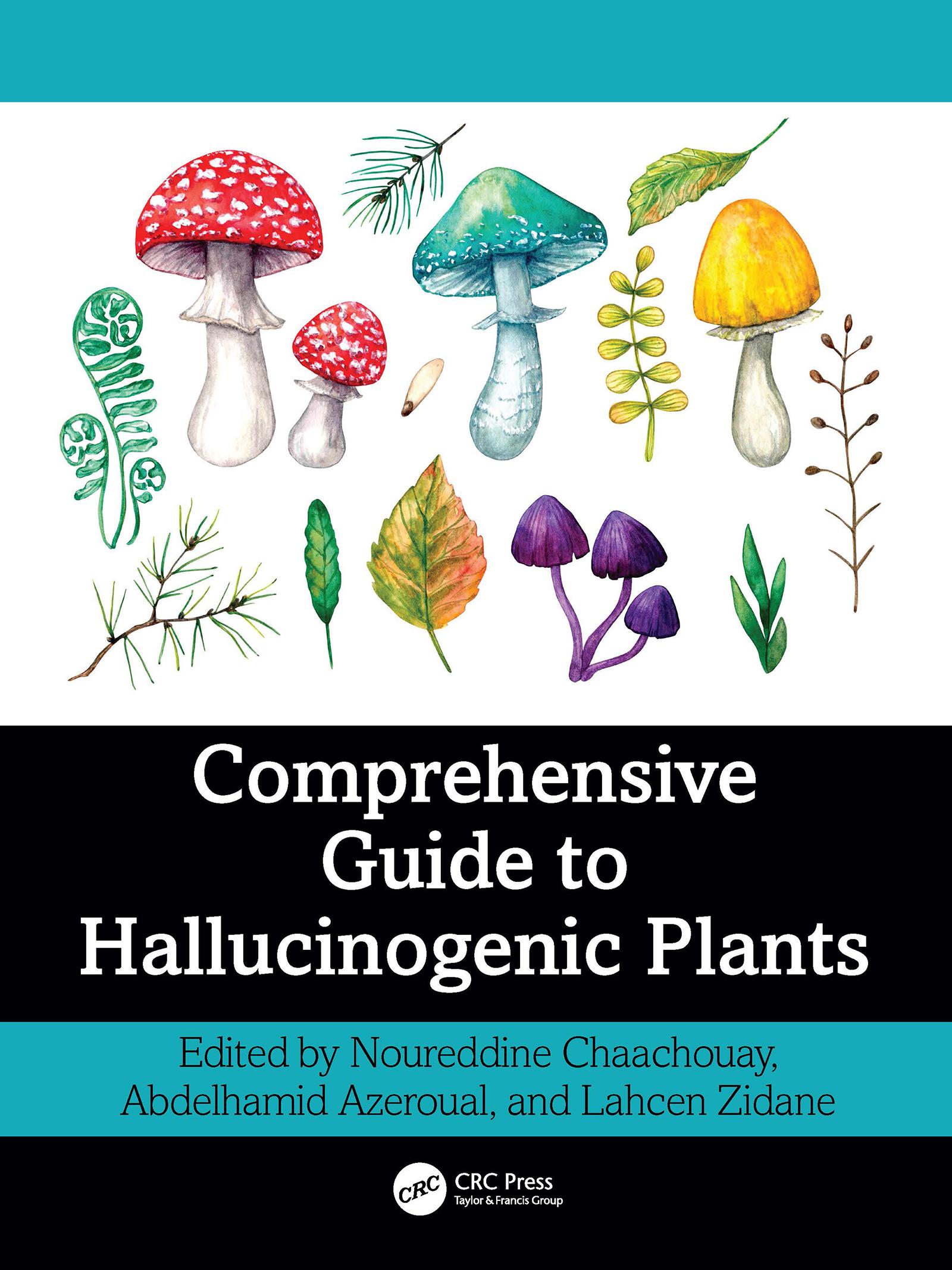
Hallucinogens have been traditionally used to encourage spiritual growth, heighten perception, inspire personal development, or expand reality. Comprehensive Guide to Hallucinogenic Plants focuses on ethnobotanical aspects of hallucinogenic plant species, featuring history on how they were used in ancient societies, identifying chemical compounds, and explaining modern medicinal uses, as well as conservation initiatives. The book emphasizes the importance of understanding the cultural, countrywide, environmental, and scientific importance of these medicinal plants.
Some of the 50 plants covered in this work include: ayahuasca, ginger, kanna, dream herb, iboga, peyote, canary broom, coral tree, catnip, wild rue, kava, mandrake, and golden angel's trumpet. Each chapter includes information on historical plant use and identification of chemical compounds, and explains modern medicinal uses. The text highlights the importance of studying, evaluating, and utilizing these plants not in isolation, but from a global perspective.
Comprehensive Guide to Hallucinogenic Plants appeals to plant scientists, botanists, ethnobotanists, pharmacologists, and those with an interest in alternative or herbal medicine.
Pay easily by card, Klarna, Apple Pay or Google Pay. Not happy? You always have a 14-day money-back guarantee. Read more in our terms. If you have any questions, email us at hello@memmo.org.
Memmo makes studying easier – wherever you are in the world. We bring your course books and smart study tools together in one place: summaries, quizzes, podcasts and flashcards. Plus Ted, your study buddy who answers anything you wonder. Over 50,000 students already study here – built to help you learn faster and stress less.