
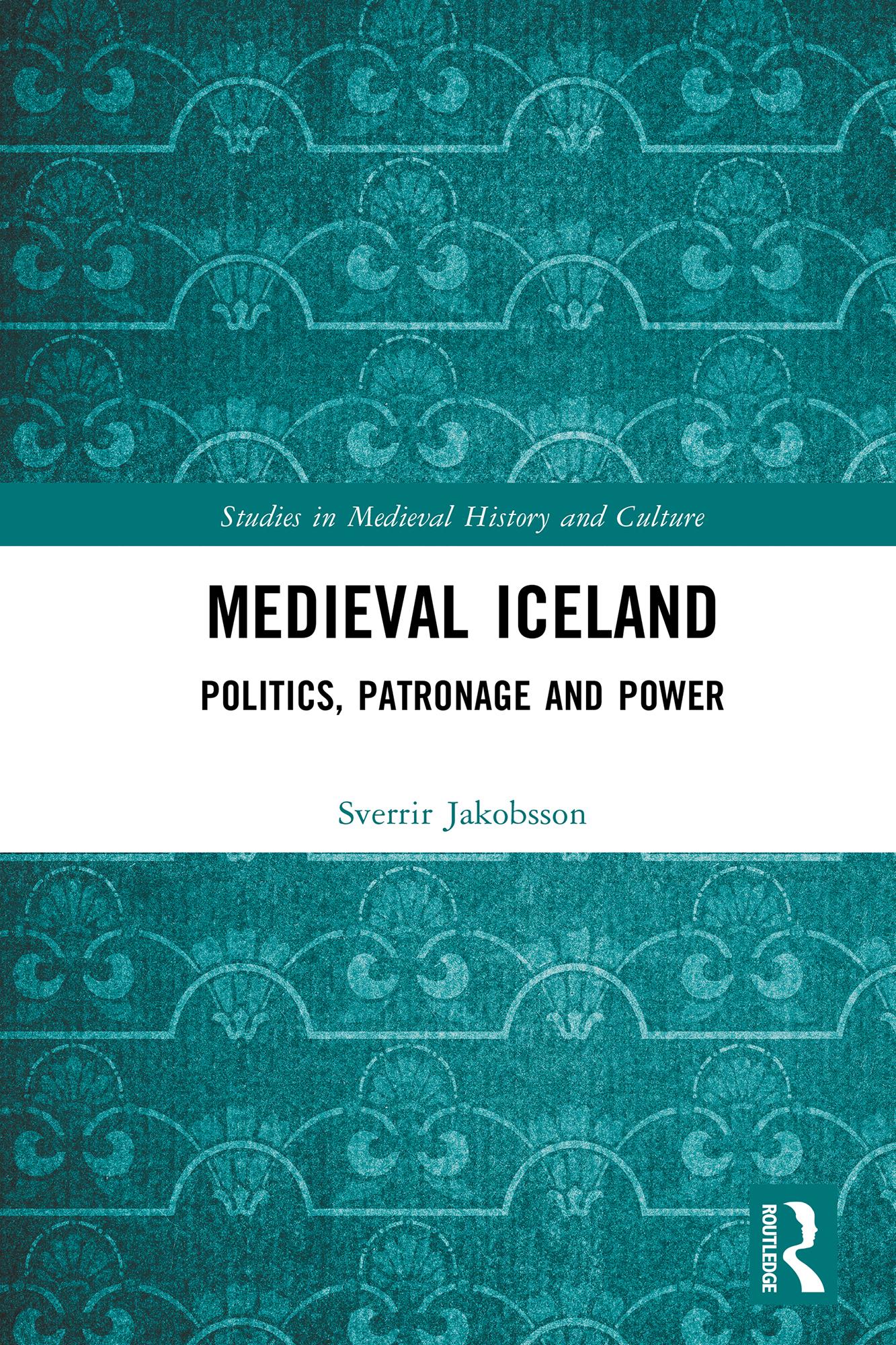
In the ninth century, at the beginning of this account, Iceland was uninhabited save for fowl and smaller Arctic animals. In the middle of the sixteenth century, by the end of this history, it had embarked on a course that led to the creation of a small country on the periphery of Europe. The history of medieval Iceland is to some degree a microcosm of European history, but in other respects it has a trajectory of its own. As in medieval Europe, the evolution of the Church, episodic warfare, and the strengthening of the bonds of government played an important role.
Unlike the rest of Europe, however, Iceland was not settled by humans until the Middle Ages and it was without towns and any type of executive government until the late medieval period. Medieval Iceland is a review of Icelandic history from the settlement until the advent of the Reformation, with an emphasis on social and political change, but also on cultural developments, such as the creation of a particular kind of literature, known throughout the world as the sagas.
A view of medieval Icelandic history as it has never been told before from one of its leading historians, this book will appeal to students and scholars alike interested in Icelandic and medieval history.
Pay easily by card, Klarna, Apple Pay or Google Pay. Not happy? You always have a 14-day money-back guarantee. Read more in our terms. If you have any questions, email us at hello@memmo.org.
Memmo makes studying easier – wherever you are in the world. We bring your course books and smart study tools together in one place: summaries, quizzes, podcasts and flashcards. Plus Ted, your study buddy who answers anything you wonder. Over 50,000 students already study here – built to help you learn faster and stress less.