
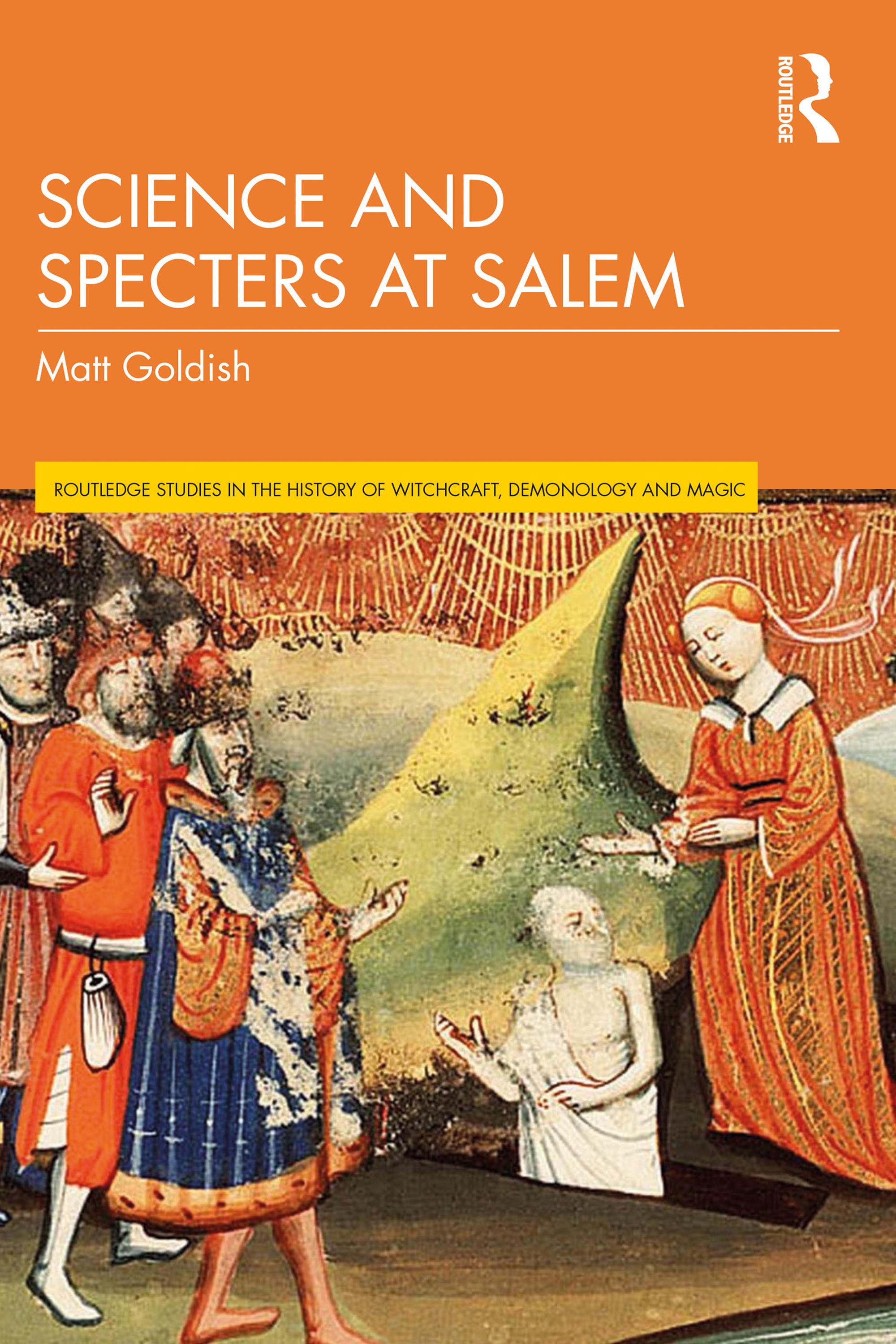
Most studies of the Salem witch trials focus on social history and the dynamics between accused and accusers. Science and Specters at Salem turns instead to the intellectual background of the judges to understand why they accepted controversial types of evidence.
The role of judges in a witch trial was central. Goldish argues that in Salem the judges' acceptance of questionable touch tests and spectral evidence was a result of their intellectual commitments. Several of the Salem judges were highly educated, and some of them were adherents of a particular philosophical school in England led by Henry More and Joseph Glanvill which Goldish calls "the anti-Sadducees." He demonstrates how the ideas of these leading thinkers, friends of Robert Boyle and Sir Isaac Newton, could have led to the deaths of twenty accused witches in Salem.
This book will interest students and scholars of witch trials, American colonial history, Atlantic history, legal history and early modern Europe, as well as lay readers wanting a better understanding of Salem.
Pay easily by card, Klarna, Apple Pay or Google Pay. Not happy? You always have a 14-day money-back guarantee. Read more in our terms. If you have any questions, email us at hello@memmo.org.
Memmo makes studying easier – wherever you are in the world. We bring your course books and smart study tools together in one place: summaries, quizzes, podcasts and flashcards. Plus Ted, your study buddy who answers anything you wonder. Over 50,000 students already study here – built to help you learn faster and stress less.