
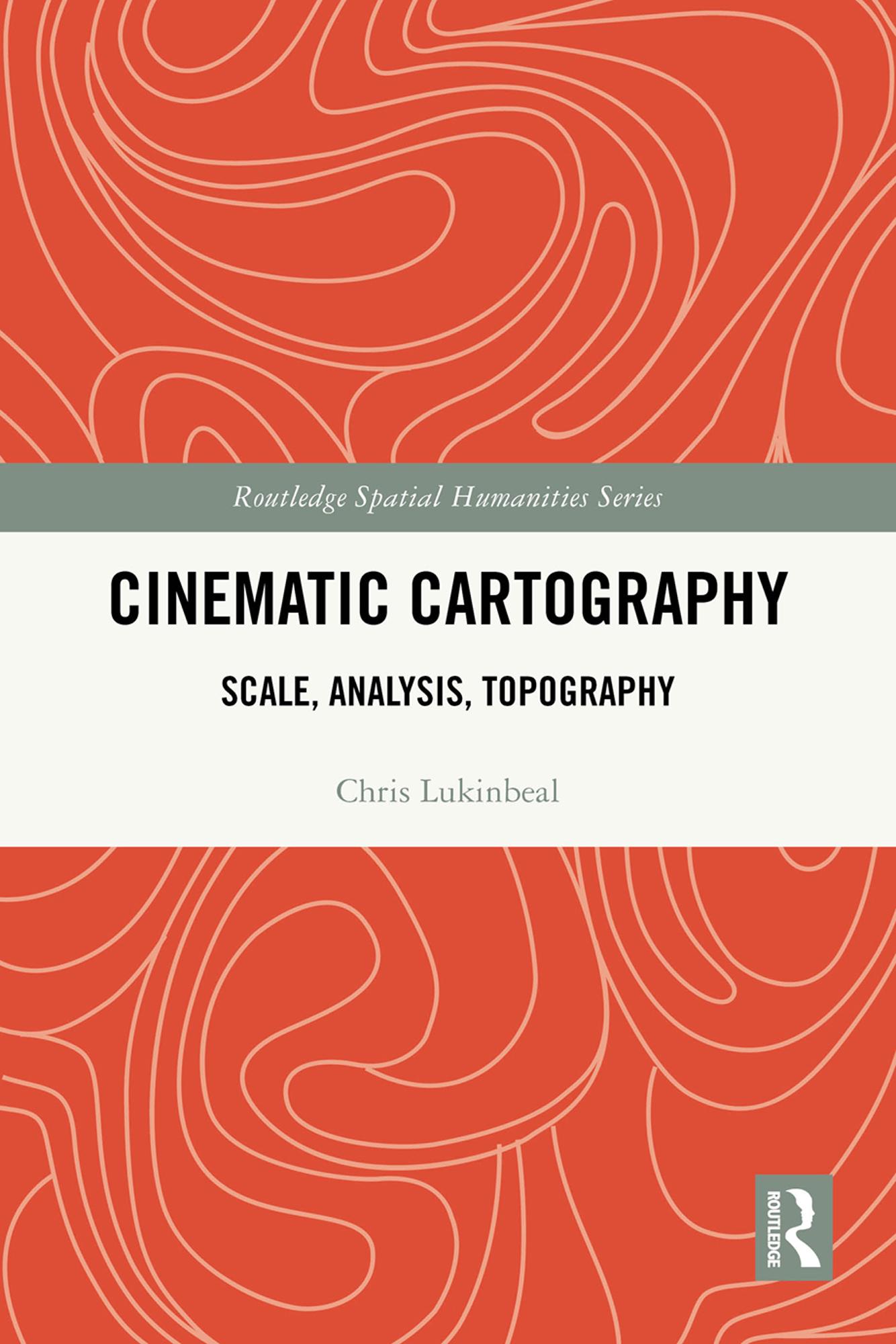
This book uniquely bridges the conceptual gap between the history of geographic, cartographic thought, and film theory with the technological and cultural shifts that shaped the emergence of cameras and cinema.
Adorned with illustrative figures, examples, and case studies throughout, the book explores how cinema lends itself to cartography and, in turn, how cartography relates to both the individual and collective experience of cinema. By using cartography to understand space and scale in film, the book moves away from textual analysis or representation analysis to focus on the locational attribution of the sites where the cinematic landscape is being produced. It contends that viewers of moving images are active players in a complex network of cultural and mental geographies.
This volume is essential reading for students, scholars, and academics of cinematography, human, cultural, and social geography, cartography, and media studies, as well as those interested in these areas more generally.
Pay easily by card, Klarna, Apple Pay or Google Pay. Not happy? You always have a 14-day money-back guarantee. Read more in our terms. If you have any questions, email us at hello@memmo.org.
Memmo makes studying easier – wherever you are in the world. We bring your course books and smart study tools together in one place: summaries, quizzes, podcasts and flashcards. Plus Ted, your study buddy who answers anything you wonder. Over 50,000 students already study here – built to help you learn faster and stress less.