
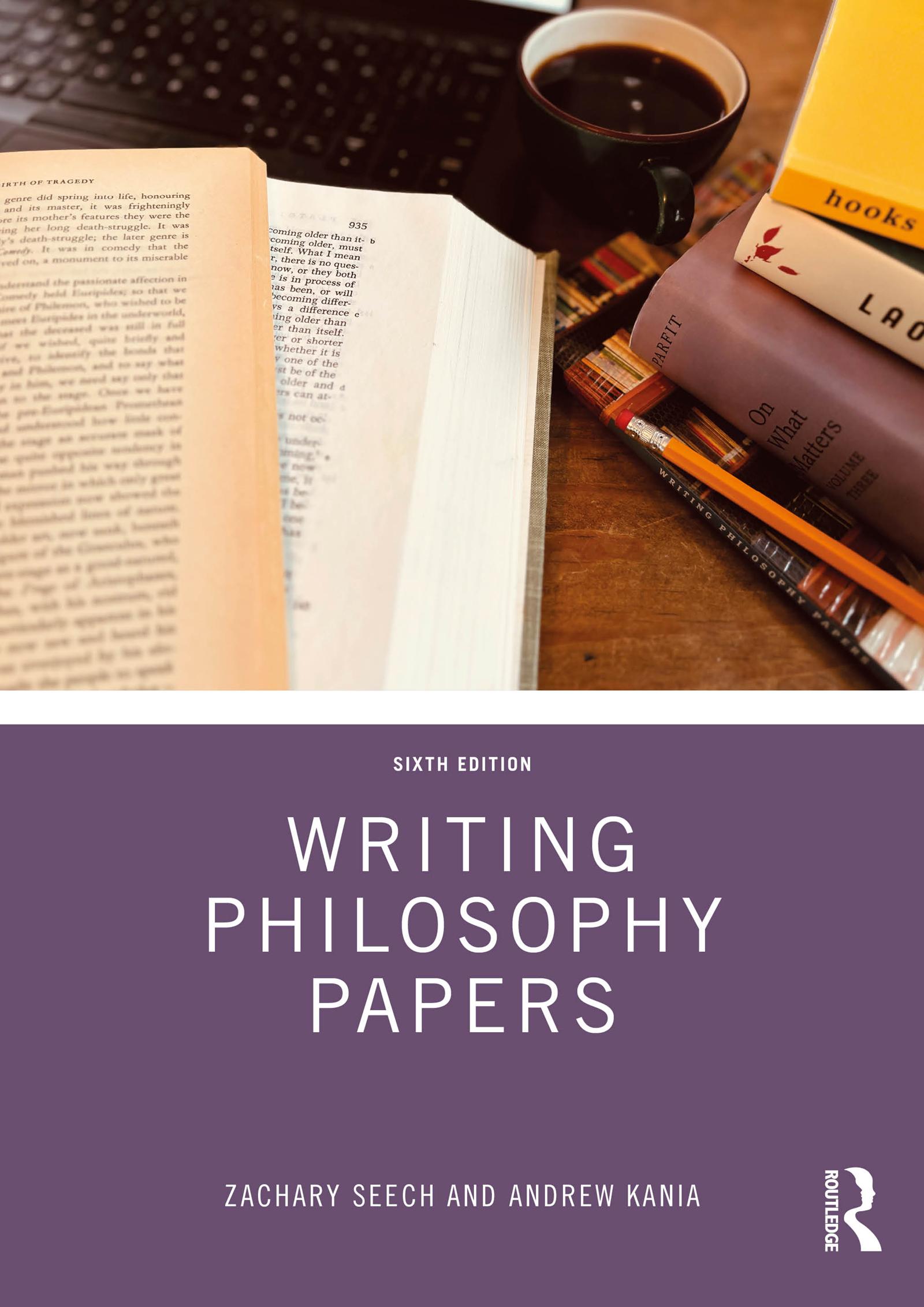
This sixth edition of Writing Philosophy Papers updates and expands one of the most popular guides to philosophical writing assignments for undergraduate students. Written in a clear, straightforward style, the book covers everything from time management to the difference between “i.e.” and “e.g.”
The heart of the book is devoted to how to write a thesis-defense paper, with chapters on the structure of a strong paper, the process of writing and revising, matters of style and usage, and scholarly citation. This advice is illustrated with concrete examples throughout, including a complete thesis-defense paper written and formatted according to the book’s recommendations.
The book also covers how to take good notes from various kinds of philosophical sources, how to write other commonly assigned kinds of papers, and how to study for and take a philosophy exam. A chapter on doing philosophical research contains practical advice on how to discover and access the most helpful sources for a philosophical research paper or annotated bibliography. Because virtually every philosophy assignment requires a basic grasp of arguments, the book ends with a chapter introducing some basic concepts and skills for reasoning well.
The heart of the sixth edition has been revised and restructured to lead students even more clearly through the process of drafting, revising, and formatting a thesis-defense paper. This new edition also includes:
• an updated, completely revised, and expanded chapter on citing sources, giving equal consideration to print and online sources;
• an updated, completely revised, and expanded chapter on doing philosophical research, focused on how to find the most helpful sources for completing a philosophical research paper or annotated bibliography;
• updated, revised, and greatly expanded advice on writing style and usage;
• a completely revised and expanded treatment of good reasoning, with a new discussion of inductive and abductive reasoning; and
• new advice on how to take good notes and how to study for and take philosophy exams.
Pay easily by card, Klarna, Apple Pay or Google Pay. Not happy? You always have a 14-day money-back guarantee. Read more in our terms. If you have any questions, email us at hello@memmo.org.
Memmo makes studying easier – wherever you are in the world. We bring your course books and smart study tools together in one place: summaries, quizzes, podcasts and flashcards. Plus Ted, your study buddy who answers anything you wonder. Over 50,000 students already study here – built to help you learn faster and stress less.