
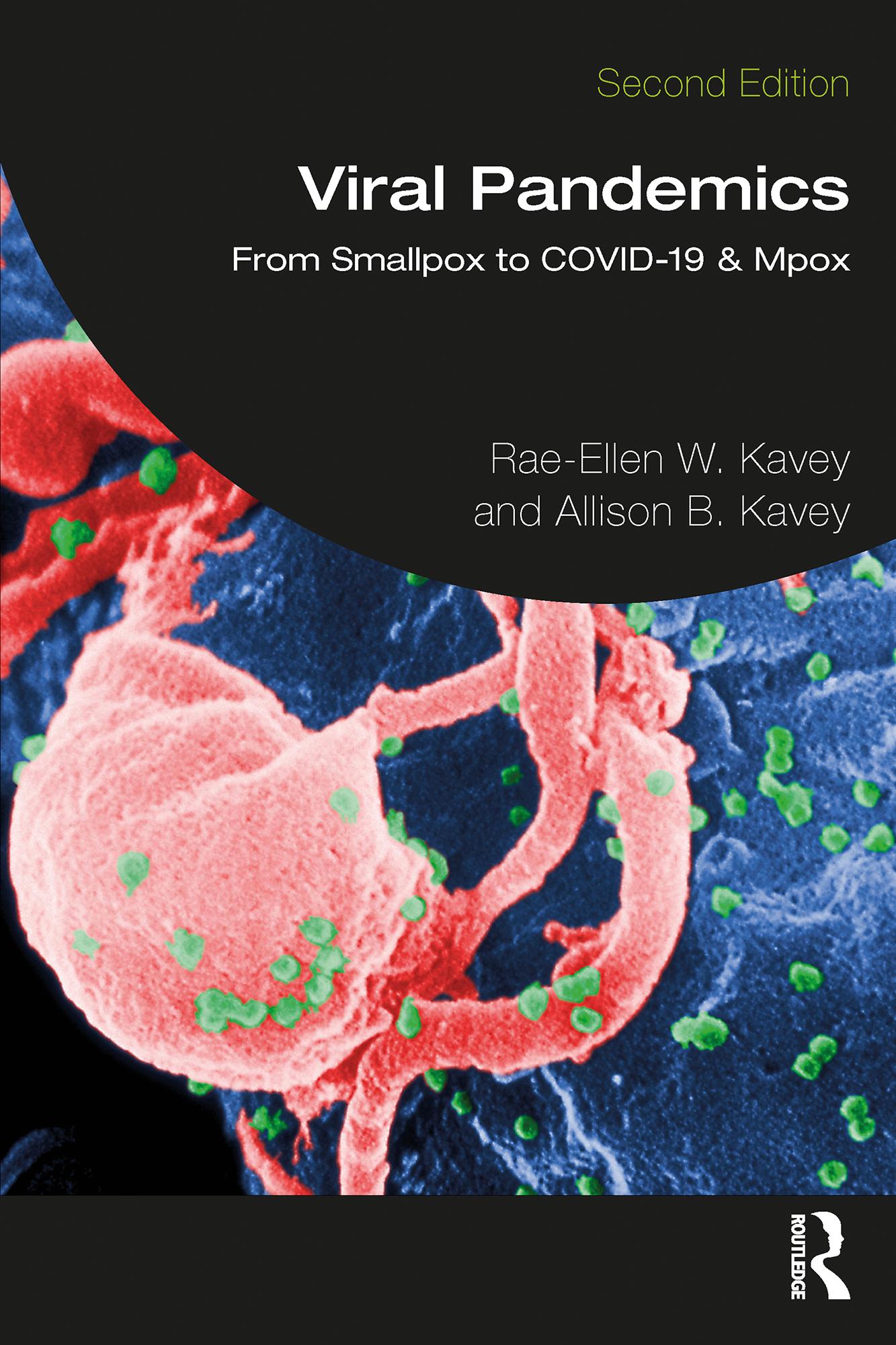
This new edition of Viral Pandemics illuminates how the increasing emergence of novel viruses has combined with intensifying global interconnectedness to create an escalating spiral of viral disease. It includes an introduction to the key characteristics of viral pathogens that make them so dangerous followed by a comprehensive survey of epidemic viral disease from 1900 to the present.
Now featuring new chapters on COVID-19 and mpox, the book uses an historical narrative to follow the path of each virus from its original detection to its emergence as an explosive pandemic. This allows readers to appreciate the biologic potential of the virus, the dynamics of epidemic disease spread, and the contemporaneous abilities of medicine and science to contend with the pathogen. In parallel, the book discusses those elements of connectedness that enable a localized disease outbreak to become a global pandemic, allowing readers to appreciate the increasingly critical role that human activity plays in global disease. In the last two chapters, the authors take a different approach. A Look Back critically evaluates the response to COVID-19 against the history of the emergence of public health in response to several other modern global pandemics and identifies some lessons we can still learn to improve our response to future pandemics. A Way Forward integrates the biologic and environmental factors that emerged as critical in the analysis of all the pandemics in the book and then uses this composite picture to propose ways to interrupt the escalating cycle of viral pandemic disease.
Written in a straightforward and accessible style, this book is ideal reading for students of public health and its history, the history of medicine and medical anthropology, as well as general readers keen to understand how viral pandemics have shaped, and continue to shape, millions of lives.
Pay easily by card, Klarna, Apple Pay or Google Pay. Not happy? You always have a 14-day money-back guarantee. Read more in our terms. If you have any questions, email us at hello@memmo.org.
Memmo makes studying easier – wherever you are in the world. We bring your course books and smart study tools together in one place: summaries, quizzes, podcasts and flashcards. Plus Ted, your study buddy who answers anything you wonder. Over 50,000 students already study here – built to help you learn faster and stress less.