
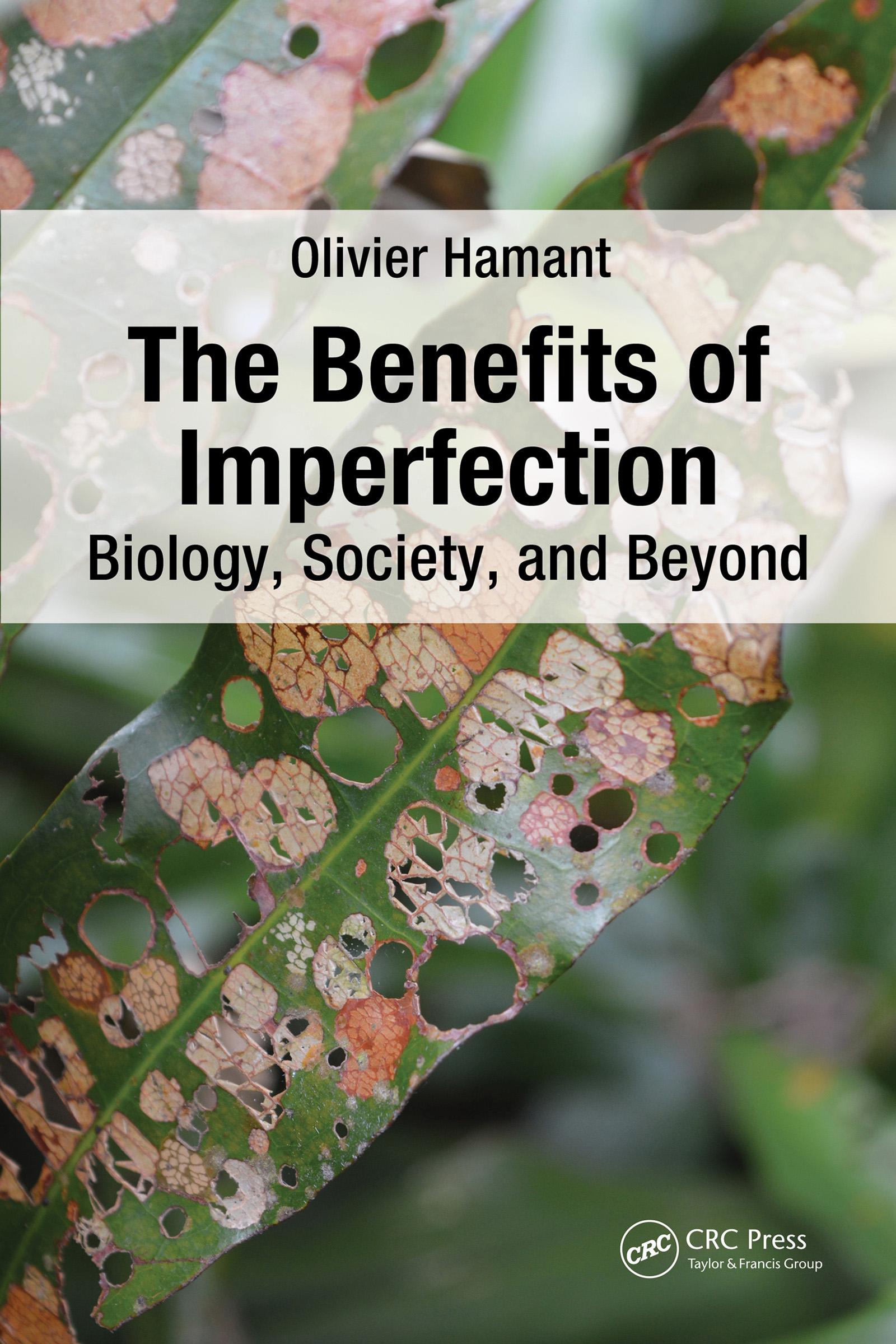
The cult of performance leads our society to emphasise the values of success and continuous optimisation in all areas. Slowness, redundancy and randomness are therefore negatively perceived. Olivier Hamant, in his book, reclaims them by his knowledge of biological processes.
What can we learn from life sciences? While some biological mechanisms certainly boast formidable efficiency, recent advances instead highlight the fundamental role of errors, incoherence or slowness in the robustness of living organisms. Should life be considered suboptimal? To what extent could suboptimality become a counter-model to the credo of performance and control in the Anthropocene?
In the face of pessimistic observations and environmental alerts, the author outlines solutions for a future that is viable and reconciled with nature.
Key Features:
- Solidly documents with a grounding in scientific facts focusing on solutions
- Explores a pragmatic way towards robustness, moving the debate beyond performance, technolatry or degrowth
- Responds to eco-anxiety by providing an engaging and viable way forward
Pay easily by card, Klarna, Apple Pay or Google Pay. Not happy? You always have a 14-day money-back guarantee. Read more in our terms. If you have any questions, email us at hello@memmo.org.
Memmo makes studying easier – wherever you are in the world. We bring your course books and smart study tools together in one place: summaries, quizzes, podcasts and flashcards. Plus Ted, your study buddy who answers anything you wonder. Over 50,000 students already study here – built to help you learn faster and stress less.