
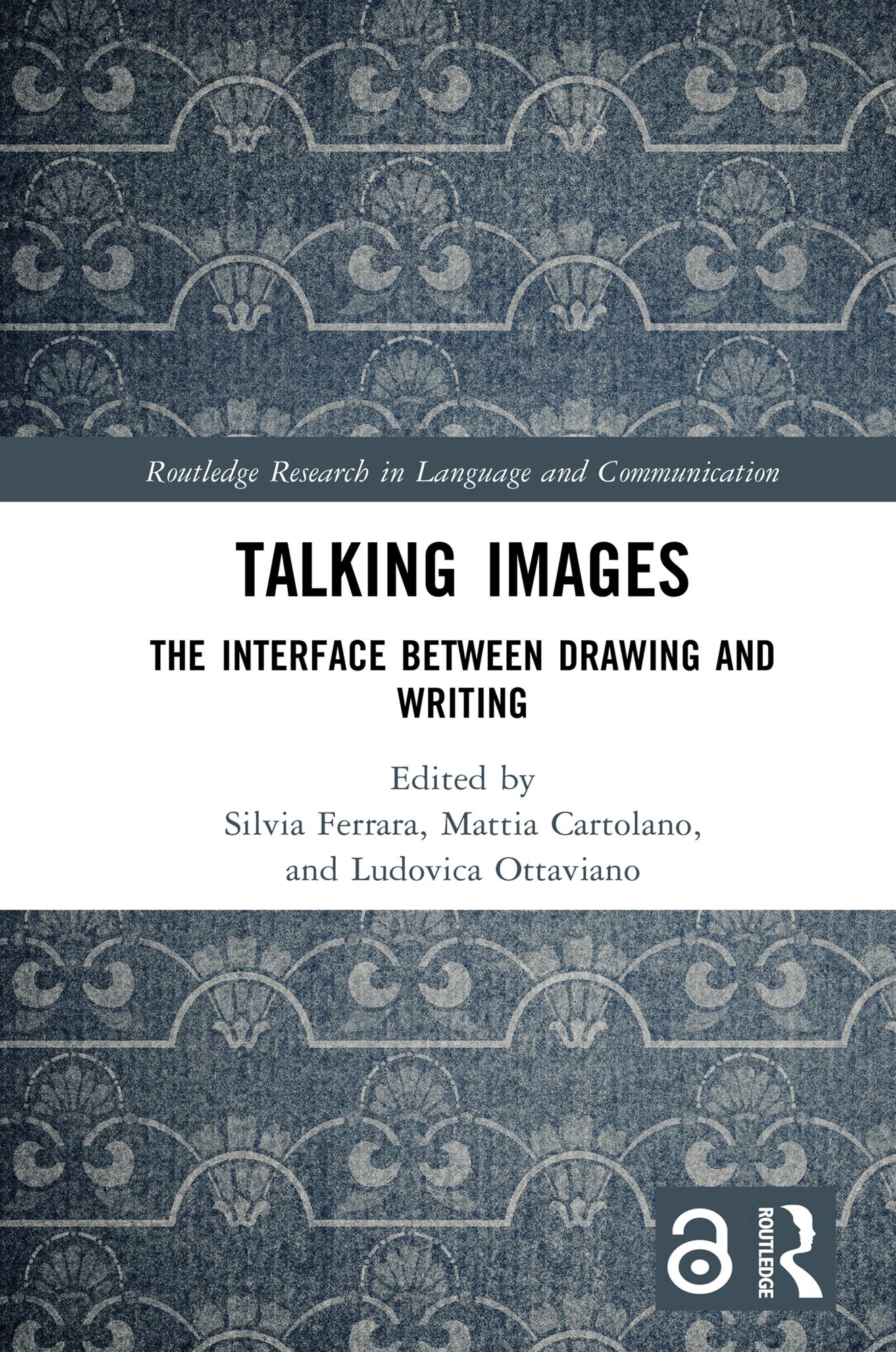
This innovative collection offers a holistic portrait of the multimodal communication potential of images from the Upper Paleolithic through to today, showcasing image-based creativity throughout the centuries.
The volume seeks to extend the boundaries of our understanding of what language and writing can do to show how language can be understood as part of broader codes, as well as how images and figural objects can contribute to meaning-making in communication. The book is divided into four parts, each exploring a different dimension of the interplay between representation, symbolic meaning, and perception in the study of images, drawing on case studies from around the world. The first part looks at cognitive approaches to the earliest symbol-making while the second considers the interaction between images and writing in early scripts. The third part addresses images outside their boxes, showcasing how ancient communication devices can be reinterpreted. The final part features chapters reflecting on embodied semiotic approaches to the representation of images.
This book will be of interest to scholars in semiotics, archaeology, cognitive psychology, and linguistic and cultural anthropology.
The Open Access version of this book, available at http://www.taylorfrancis.com, has been made available under a Creative Commons CC BY-NC-ND license 4.0 license.
Pay easily by card, Klarna, Apple Pay or Google Pay. Not happy? You always have a 14-day money-back guarantee. Read more in our terms. If you have any questions, email us at hello@memmo.org.
Memmo makes studying easier – wherever you are in the world. We bring your course books and smart study tools together in one place: summaries, quizzes, podcasts and flashcards. Plus Ted, your study buddy who answers anything you wonder. Over 75,000 students already study here – built to help you learn faster and stress less.