
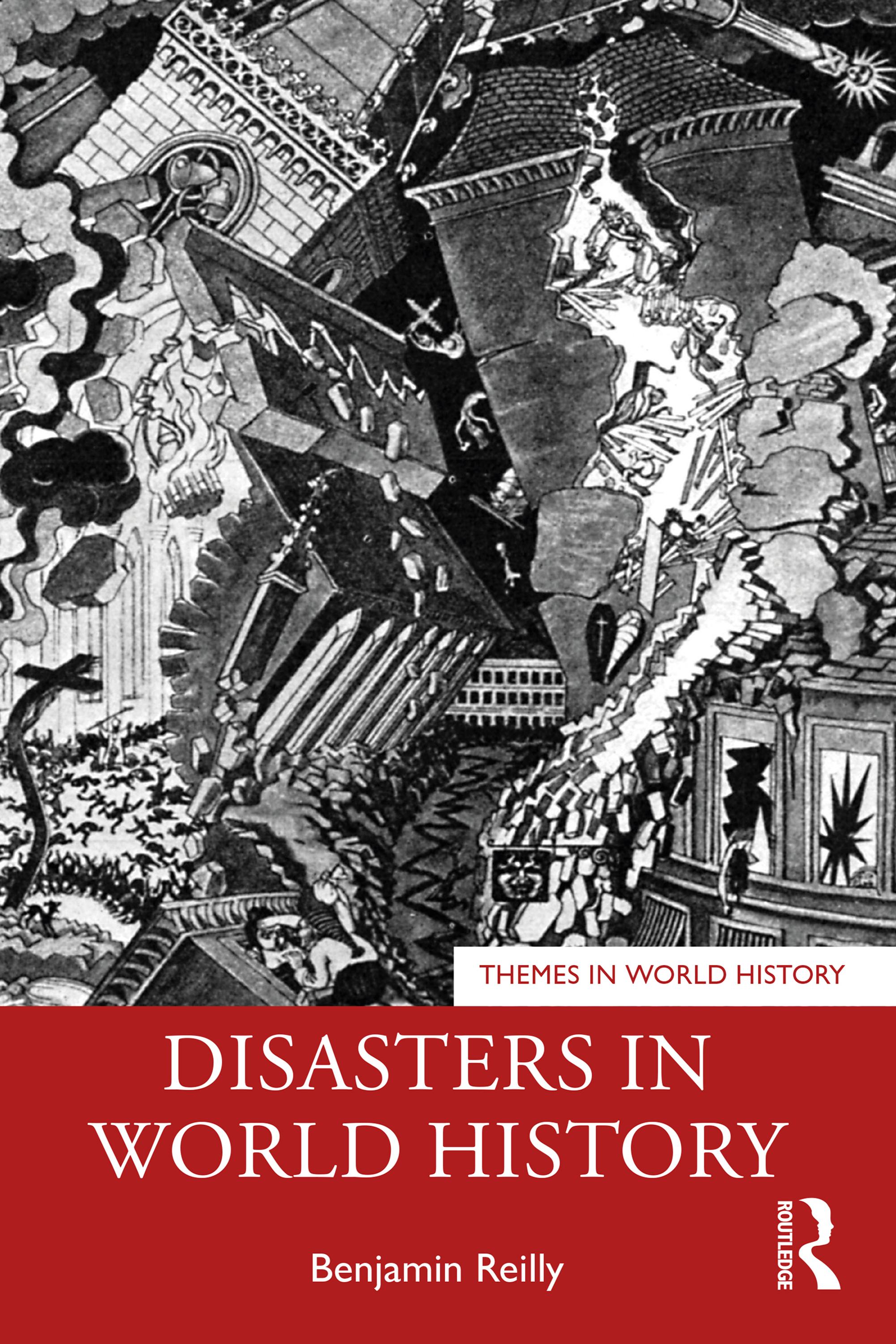
Disasters in World History surveys the development of disaster studies as a discipline as well as presenting historical case studies and theories used by historians to understand disasters. Disasters, here defined as the complex interaction between natural hazards and specific human vulnerabilities, have frequently left a mark on human history. Cataclysms have toppled dynasties, fueled massacres, and shaped the culture of societies frequently affected by natural hazards. This volume fosters understanding of such events by considering both social science theory and the natural science concepts relevant to disaster studies. In addition, the text makes heavy use of an emerging psychological theory relevant to disaster studies: the behavioral immune system, which helps to explain why xenophobic behavior and even violence often erupt in the aftermath of disasters. Chapters consider specific examples of disasters: earthquakes, tsunamis, volcanic eruptions, climate change (including modern anthropogenic climate change or global warming), and tropical cyclones.
This book is an accessible resource, ideal for undergraduates and instructors in world history, environmental history, and disaster studies courses.
Pay easily by card, Klarna, Apple Pay or Google Pay. Not happy? You always have a 14-day money-back guarantee. Read more in our terms. If you have any questions, email us at hello@memmo.org.
Memmo makes studying easier – wherever you are in the world. We bring your course books and smart study tools together in one place: summaries, quizzes, podcasts and flashcards. Plus Ted, your study buddy who answers anything you wonder. Over 50,000 students already study here – built to help you learn faster and stress less.