
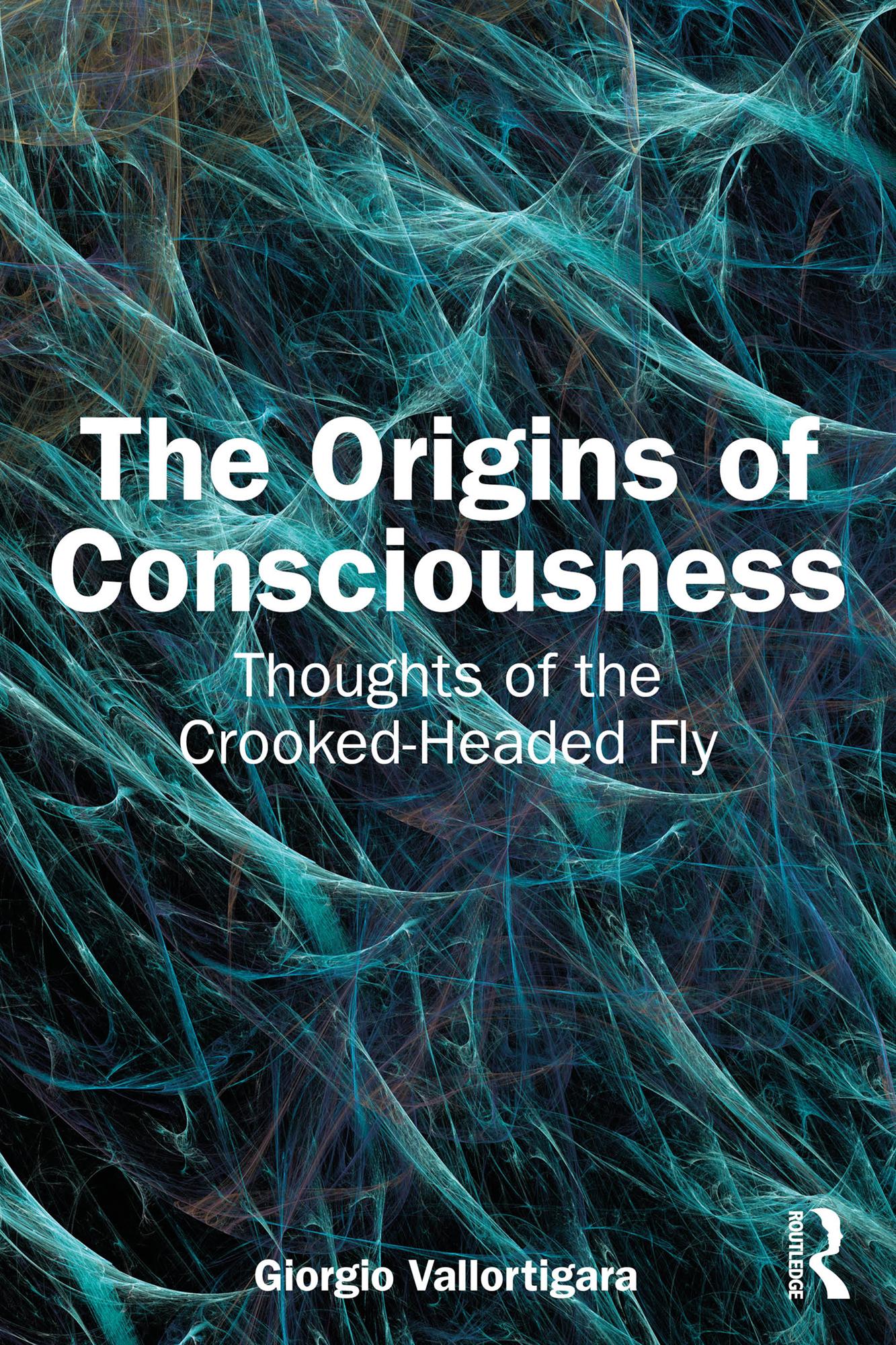
The Origins of Consciousness challenges the dominant view that consciousness is an emergent property of the complex human brain.
Based on his pioneering research on a variety of organisms, Vallortigara argues that the most basic forms of mental life do not require large brains, and that the neurological surplus observed in some animals such as humans is likely at the service of memory storage, not of the processes of thought or, even less, of consciousness. The book argues for a simple neural mechanism that can provide the crucial event that brings into effect the minimum condition for subjective experience. Implications of the hypothesis for the appearance of consciousness in different organisms are discussed, as well as links with a variety of fascinating human phenomena such as disorders of consciousness, tickling and visual illusions.
Challenging widely accepted theories of consciousness, the book is a must-read for students and researchers of human and animal consciousness.
Pay easily by card, Klarna, Apple Pay or Google Pay. Not happy? You always have a 14-day money-back guarantee. Read more in our terms. If you have any questions, email us at hello@memmo.org.
Memmo makes studying easier – wherever you are in the world. We bring your course books and smart study tools together in one place: summaries, quizzes, podcasts and flashcards. Plus Ted, your study buddy who answers anything you wonder. Over 50,000 students already study here – built to help you learn faster and stress less.