
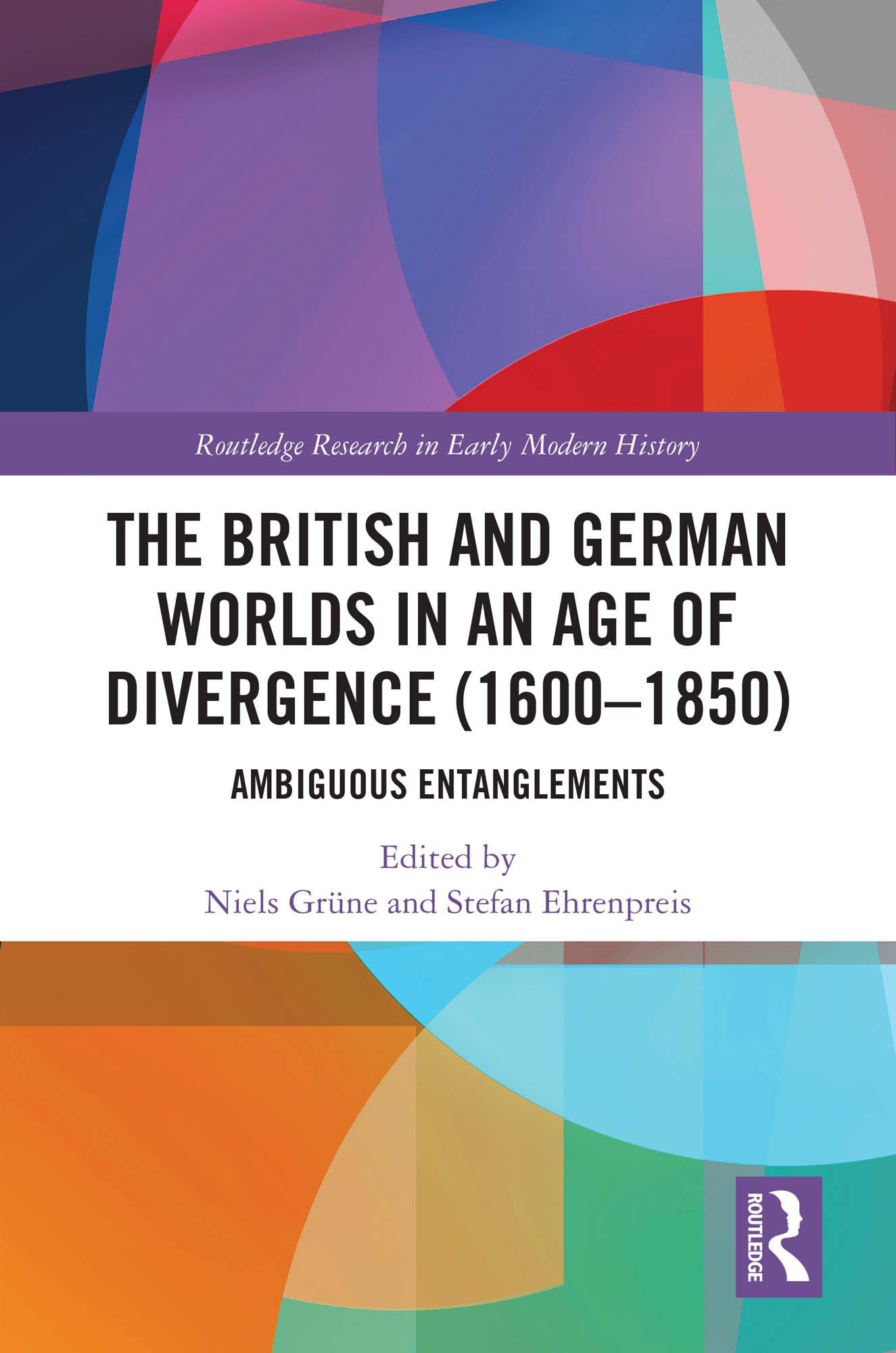
The question of whether Britain is "apart from or a part of Europe" (D. Abulafia) has gained significance in recent years. This book reassesses an underexplored field of early modern transnational history: the variety of ways in which connections between Britain and German-speaking Europe shaped developments.
After a comprehensive introduction, this book is divided into three parts: cross-border transfers and appropriations of knowledge; coping with alterity in intergovernmental contacts; and ideologising the cultural nation. The topics range from the exchange of religious and political ideas over court life, diplomacy, and espionage to literary and philosophical debates. Particular attention is paid to the media processes involved and to the practical value of knowledge about the "other" in different historical contexts. The picture emerging from the case studies reveals an intriguing dynamic: Mutual interest and ambiguous entanglements deepened precisely at a time when the British and German worlds diverged evermore from each other in terms of social and political structures.
This fascinating volume sheds new light on Anglo-German relations and will be essential reading for students of early modern European history.
Pay easily by card, Klarna, Apple Pay or Google Pay. Not happy? You always have a 14-day money-back guarantee. Read more in our terms. If you have any questions, email us at hello@memmo.org.
Memmo makes studying easier – wherever you are in the world. We bring your course books and smart study tools together in one place: summaries, quizzes, podcasts and flashcards. Plus Ted, your study buddy who answers anything you wonder. Over 50,000 students already study here – built to help you learn faster and stress less.