
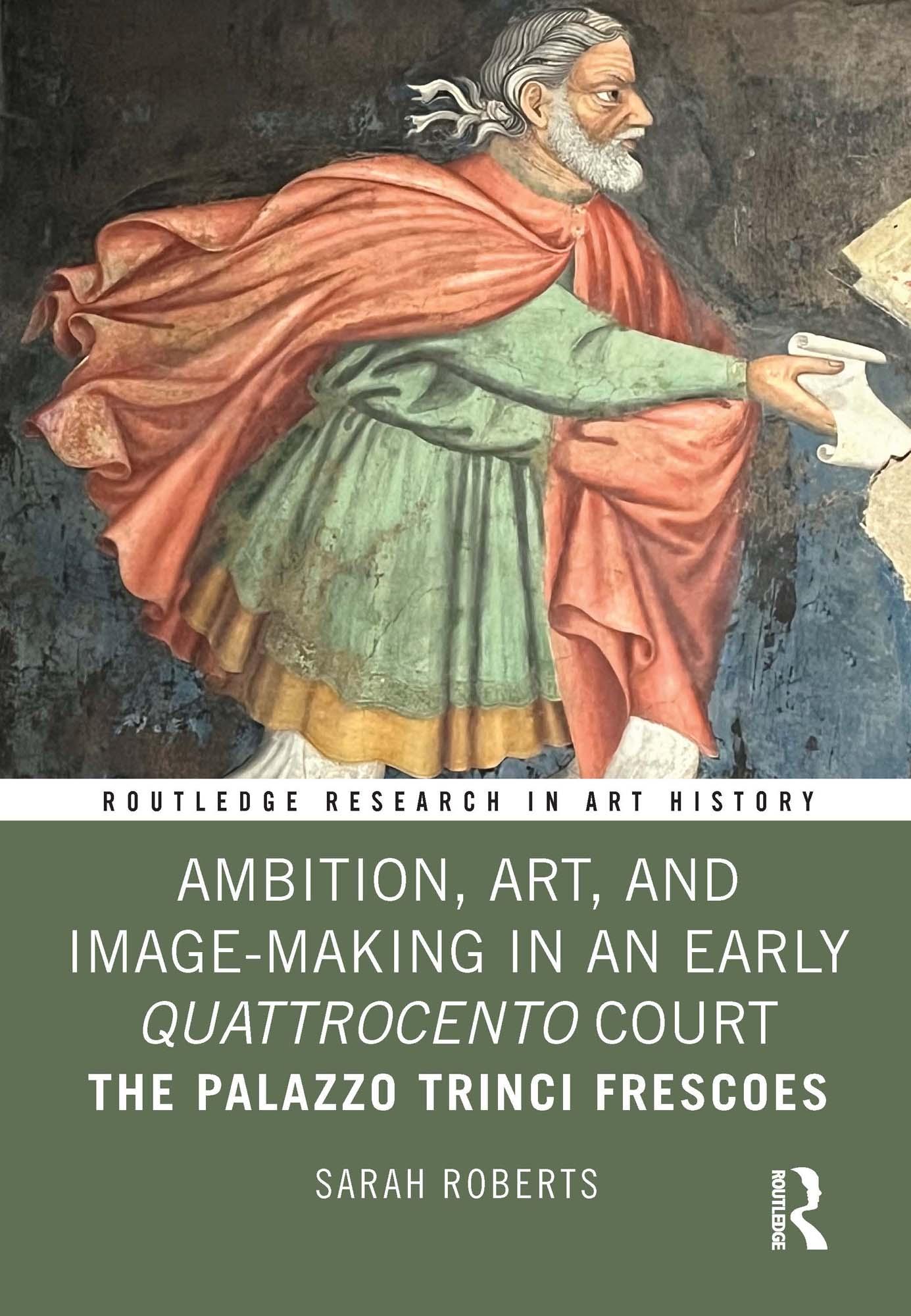
This study provides new interpretations of the little-known but fascinating Palazzo Trinci frescoes, relating them for the first time both to their physical context and to their social, political, and cultural environment.
Chapters show how a humanist agenda subverted the historical and mythical associations more frequently used to promote powerful families, to point the Trinci family in new directions. It also shows how the artists involved adapted established civic, religious, and chivalric imagery in support of these ideas. The book argues that the resulting decorations are highly unusual for the period, in their serious political and social purpose. Positioning the Trinci as bringers of peace, not war, the family is now associated with culture and education and presented as willing to encourage debate about the character of the virtuous ruler and the nature of good government.
The book will be of interest to scholars working in art history and Renaissance studies.
Pay easily by card, Klarna, Apple Pay or Google Pay. Not happy? You always have a 14-day money-back guarantee. Read more in our terms. If you have any questions, email us at hello@memmo.org.
Memmo makes studying easier – wherever you are in the world. We bring your course books and smart study tools together in one place: summaries, quizzes, podcasts and flashcards. Plus Ted, your study buddy who answers anything you wonder. Over 50,000 students already study here – built to help you learn faster and stress less.