
Matt Dawson and David L. Swartz discuss The Academic Trumpists on the New Books in Sociology podcast
Reviewed by Scott McLemee in Inside Higher Ed
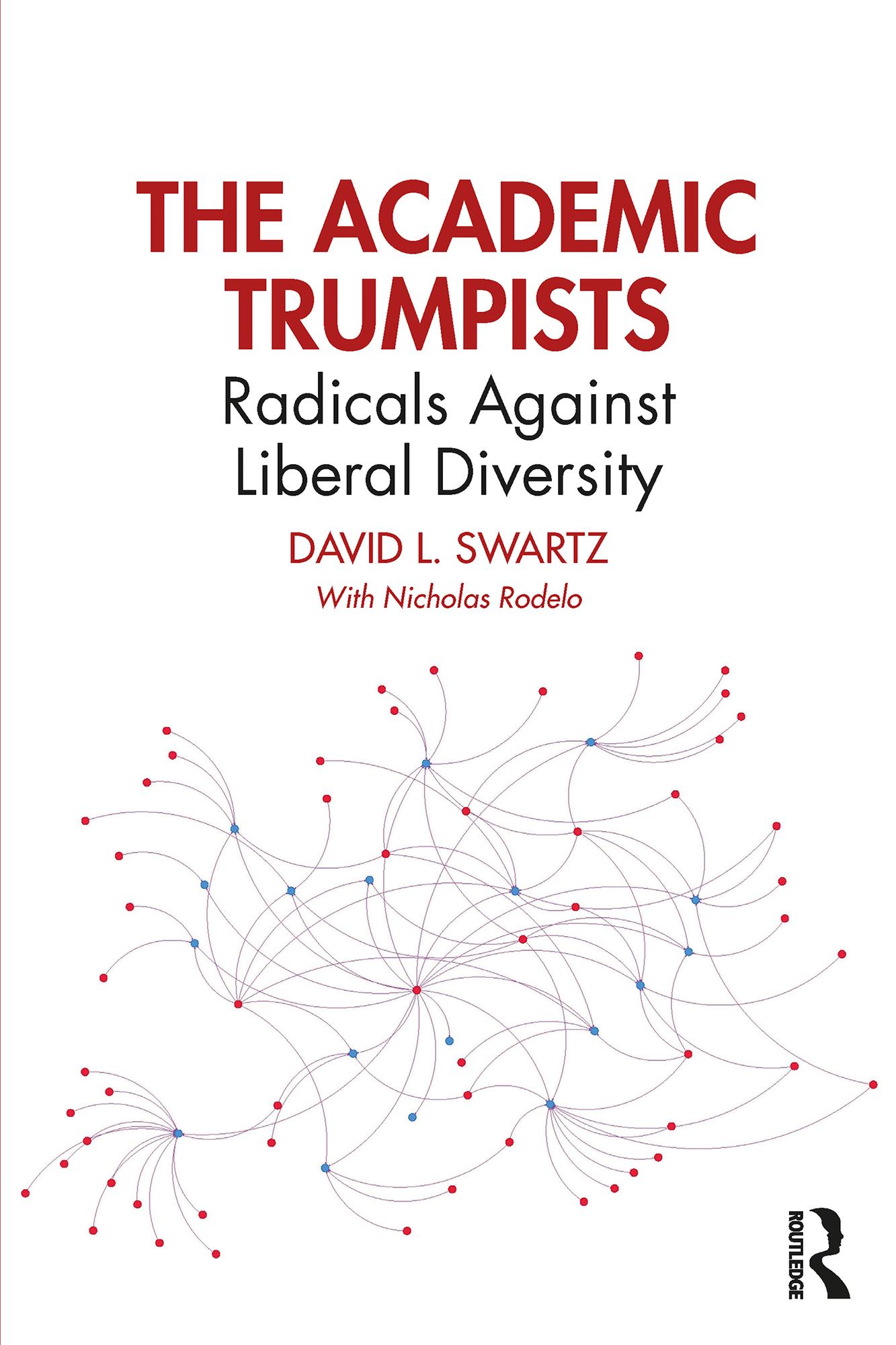
There has been an outpouring of research on populist conservatism since the advent of the Trump presidency and extreme right movements in Europe. Much less studied, however, is the growing political conservatism in the American academy and how it relates to populist sentiment. The Academic Trumpists addresses a gap in the research literature by looking at the impact of Trumpism on conservative faculty. It compares 109 professors who publicly support Trump to 89 conservative professors who oppose Trump. All 198 function as public intellectuals who advocated publicly their views.
Drawing on recent research in the sociology of intellectuals and Pierre Bourdieu’s analytical field perspective, this book offers a fielding political identities and practices framework to show how these two groups of professors (Trumpists and anti-Trumpists) differ in where they teach, their intellectual orientations, their scholarly productivity, their political rationales, where they network with think tanks, scholarly professional associations, and government agencies, and their stances on key controversies surrounding the Trump presidency (Covid-19, the two impeachments, the November 2020 election lost, and the January 6 mob assault on the United States Capitol). The academic Trumpists embrace the right-wing populist wave mobilized by Trump and the conservative critics resist this move. This polarization of views between these two groups of conservative professors is enduring and rooted in two distinct social networks that connect their positions in the academic field to affiliations with conservative think tanks that reinforce their respective political identities and radical right-wing anti-establishment thinking in America more generally.
This book will appeal to readers interested in the politics of higher education, the sociology of intellectuals, political sociology, and research on conservative and right-wing populism politics in America today.
Pay easily by card, Klarna, Apple Pay or Google Pay. Not happy? You always have a 14-day money-back guarantee. Read more in our terms. If you have any questions, email us at hello@memmo.org.
Memmo makes studying easier – wherever you are in the world. We bring your course books and smart study tools together in one place: summaries, quizzes, podcasts and flashcards. Plus Ted, your study buddy who answers anything you wonder. Over 50,000 students already study here – built to help you learn faster and stress less.