
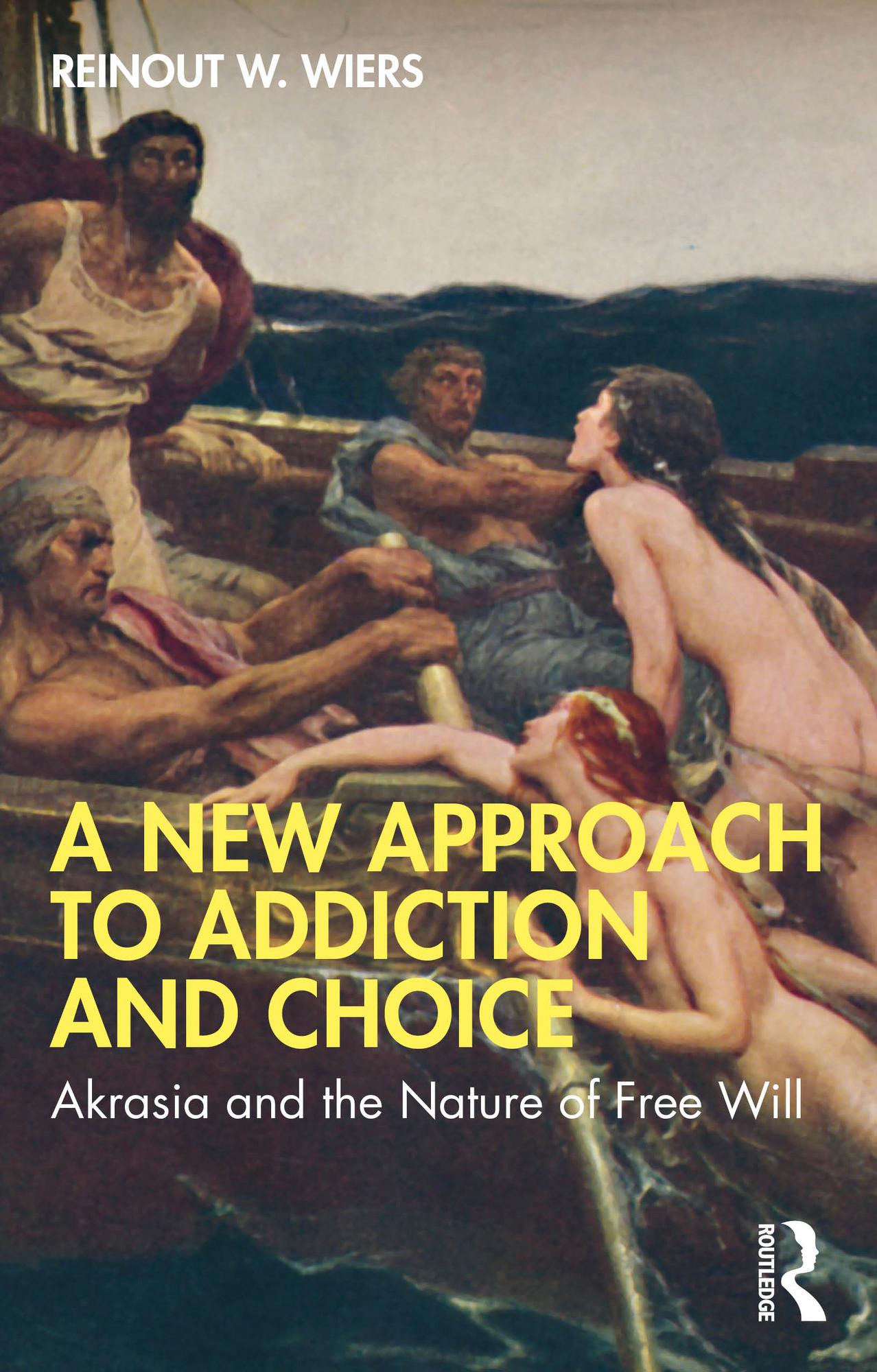
This engaging book provides a novel examination of the nature of addiction, suggesting that by exploring akrasia—the tendency to act against one’s better judgement—we can better understand our addictive behaviors. It offers an alternative to the dominant biomedical model of addiction as a chronic brain disease by looking at the nature of how we make decisions and proposing the idea that biased choice is central to addiction.
The book looks at both classic substance use disorders and newer “addictions” to smartphones, meat and fossil fuels. It discusses current perspectives on free will in philosophy, psychology and neuroscience, and the questions surrounding free will versus determinism, including our ability to steer our behaviors guided by the promise of future outcomes. Different perspectives on addiction and choice are presented in an eloquent style, and illustrated by personal stories. Through a lively discussion of the key scientific and philosophical issues surrounding addiction, this book is valuable for students in psychology, criminology, sociology and social work, as well as health care professionals and general readers interested in the nature of our free will.
Pay easily by card, Klarna, Apple Pay or Google Pay. Not happy? You always have a 14-day money-back guarantee. Read more in our terms. If you have any questions, email us at hello@memmo.org.
Memmo makes studying easier – wherever you are in the world. We bring your course books and smart study tools together in one place: summaries, quizzes, podcasts and flashcards. Plus Ted, your study buddy who answers anything you wonder. Over 50,000 students already study here – built to help you learn faster and stress less.