
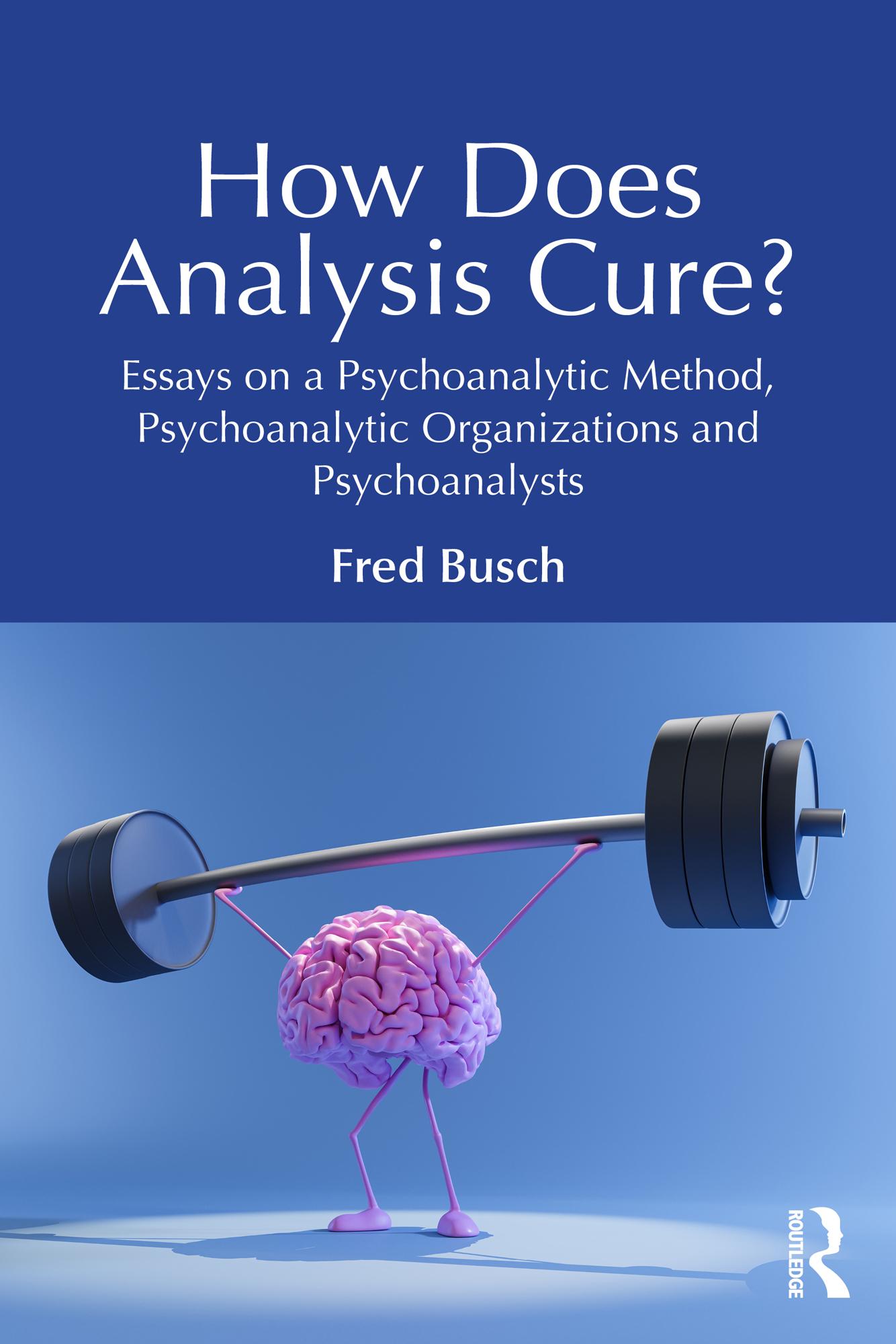
Building upon 50 years of clinical experience, Fred Busch addresses a central question facing all psychoanalysts: What is essential to a psychoanalytic curative process, and what are the methods of working that can bring this about?
This book investigates the analytic relationship as a process of giving patients the freedom to think the unthinkable (to build representations) and change repeated patterns of action into the possibility of reflection. This entails careful examination of central psychoanalytic concepts such as transference, resistances, and the ethics of countertransference as a guide to a patient’s unconscious, in addition to newer ideas, such as the notion of the analyst as a memory keeper of patients’ lost objects. In its final part, the book presents observations on how analysts function as part of analytic organizations, and the various roles they take on to develop an “analytic identity”.
Continuing decades of significant theoretical work on clinical concepts, this book offers a unique perspective on how psychoanalysts and psychotherapists can work effectively to achieve the best possible outcomes for their patients.
Pay easily by card, Klarna, Apple Pay or Google Pay. Not happy? You always have a 14-day money-back guarantee. Read more in our terms. If you have any questions, email us at hello@memmo.org.
Memmo makes studying easier – wherever you are in the world. We bring your course books and smart study tools together in one place: summaries, quizzes, podcasts and flashcards. Plus Ted, your study buddy who answers anything you wonder. Over 50,000 students already study here – built to help you learn faster and stress less.