
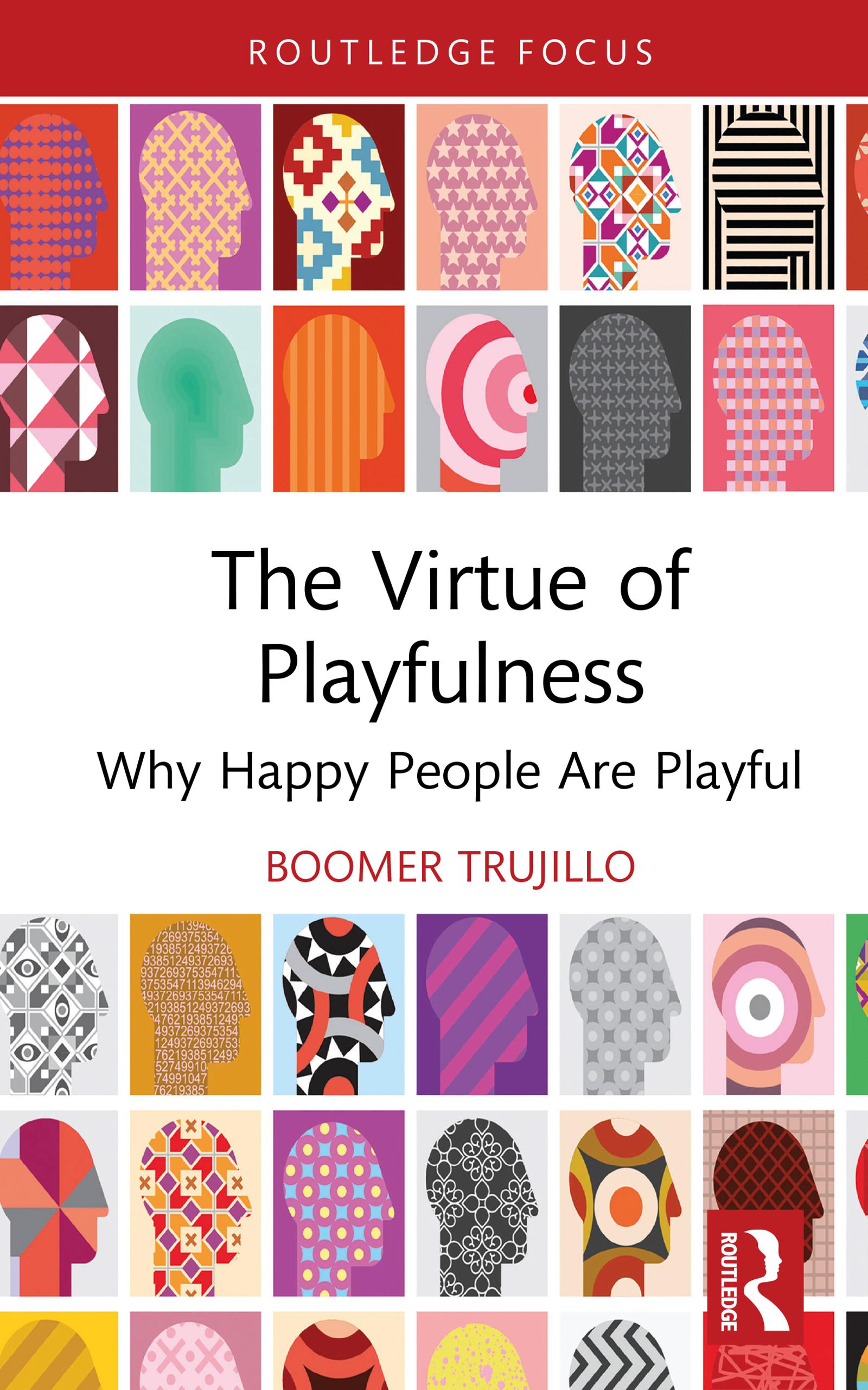
This book argues that in order for people to live well, they must develop a virtue of playfulness. Inspired by Aristotle, the book draws on work from philosophy, classics, history, biology, psychology, and media studies to understand the place of play and playfulness in a good life.
Many philosophers have written about play, from Presocratics such as Heraclitus to contemporary philosophers such as Bernard Suits. Some champion play as the most crucial value in life. Others deride it and warn strongly against it. This book evaluates the research on how play and playfulness bear on living a good life and becoming a good person. Its main argument is that in order to understand play as an action, we must understand playfulness as a virtue in the lives of good people. The author develops a theory of playfulness from an Aristotelian perspective. Like Aristotle sees the virtues as necessary for a happy life, the author argues that playfulness is necessary for living well. And just as Aristotle offers multifaceted characterizations of core virtues, the author argues that playfulness includes aspects of seriousness, creativity, humility, optimism, and sociality. Playful people take play seriously, learn new skills, overcome failure, strive for success, and keep others in mind. As a result, playful people have a better shot at living well.
The Virtue of Playfulness is an accessible, empirically informed, and detailed treatment of the philosophy of playfulness. It will appeal to scholars and students in philosophy and related disciplines who are interested in virtue ethics, moral psychology, philosophy of games, philosophy of sport, and ancient philosophy.
Pay easily by card, Klarna, Apple Pay or Google Pay. Not happy? You always have a 14-day money-back guarantee. Read more in our terms. If you have any questions, email us at hello@memmo.org.
Memmo makes studying easier – wherever you are in the world. We bring your course books and smart study tools together in one place: summaries, quizzes, podcasts and flashcards. Plus Ted, your study buddy who answers anything you wonder. Over 50,000 students already study here – built to help you learn faster and stress less.