
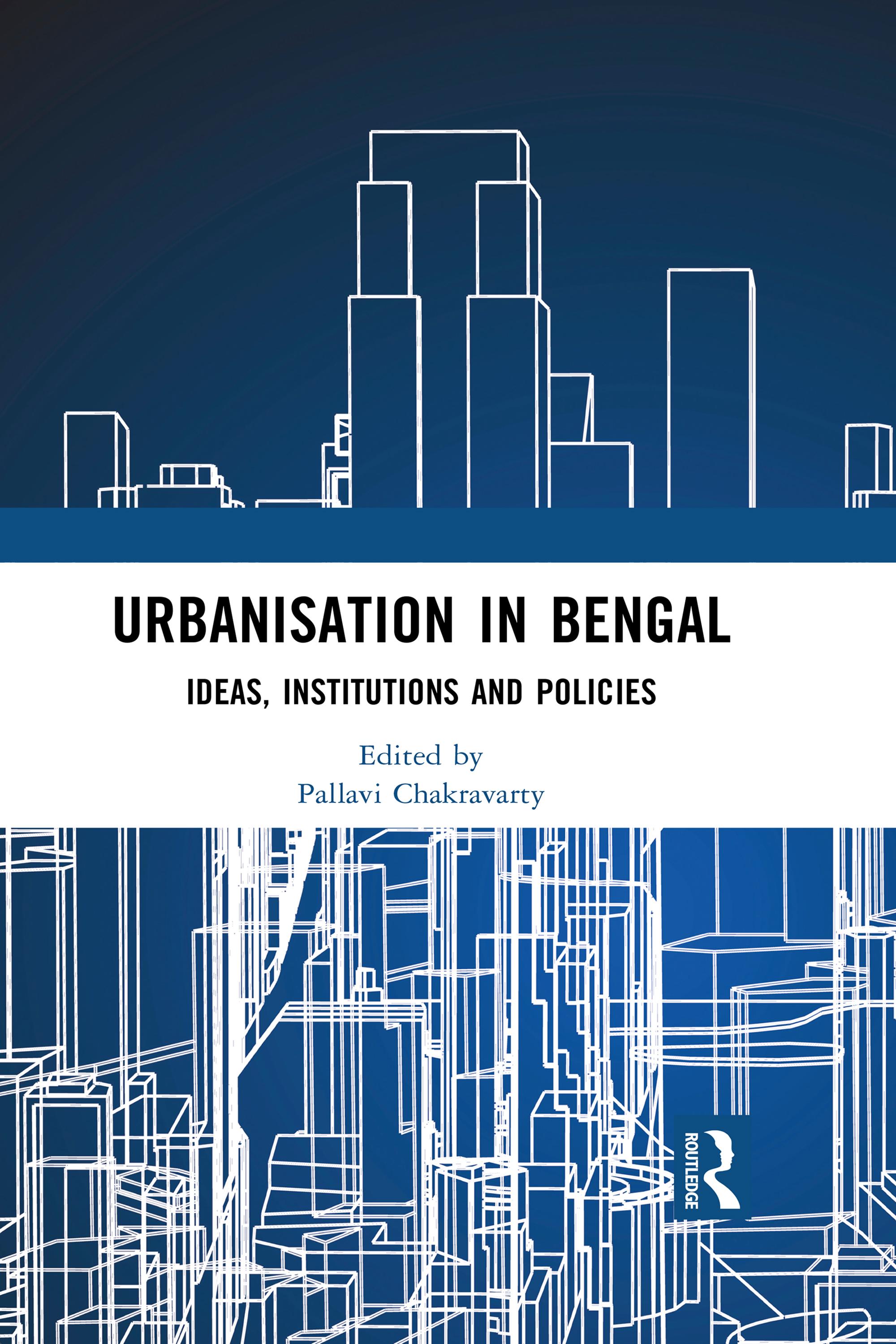
This volume presents a comprehensive study of the urbanization of Bengal from ancient to postcolonial times. It analyses the notion of urban space, examines the institutions which constitute the ‘urban’, and explores the crises brought about by the Partition.
The book highlights the key features of urbanization in colonial Bengal––the print culture, institutions of Western education and Western medicine, and the census as a ‘modern form of knowledge’. It also looks at the refugee movement and discusses the contribution of Partition refugees in urbanizing Bengal.
Rich in archival sources, this book will be indispensable for scholars and researchers of urban history, urban studies, Indian history, colonial history, postcolonial studies, partition studies, and South Asian history, particularly those interested in Bengal.
Pay easily by card, Klarna, Apple Pay or Google Pay. Not happy? You always have a 14-day money-back guarantee. Read more in our terms. If you have any questions, email us at hello@memmo.org.
Memmo makes studying easier – wherever you are in the world. We bring your course books and smart study tools together in one place: summaries, quizzes, podcasts and flashcards. Plus Ted, your study buddy who answers anything you wonder. Over 50,000 students already study here – built to help you learn faster and stress less.