
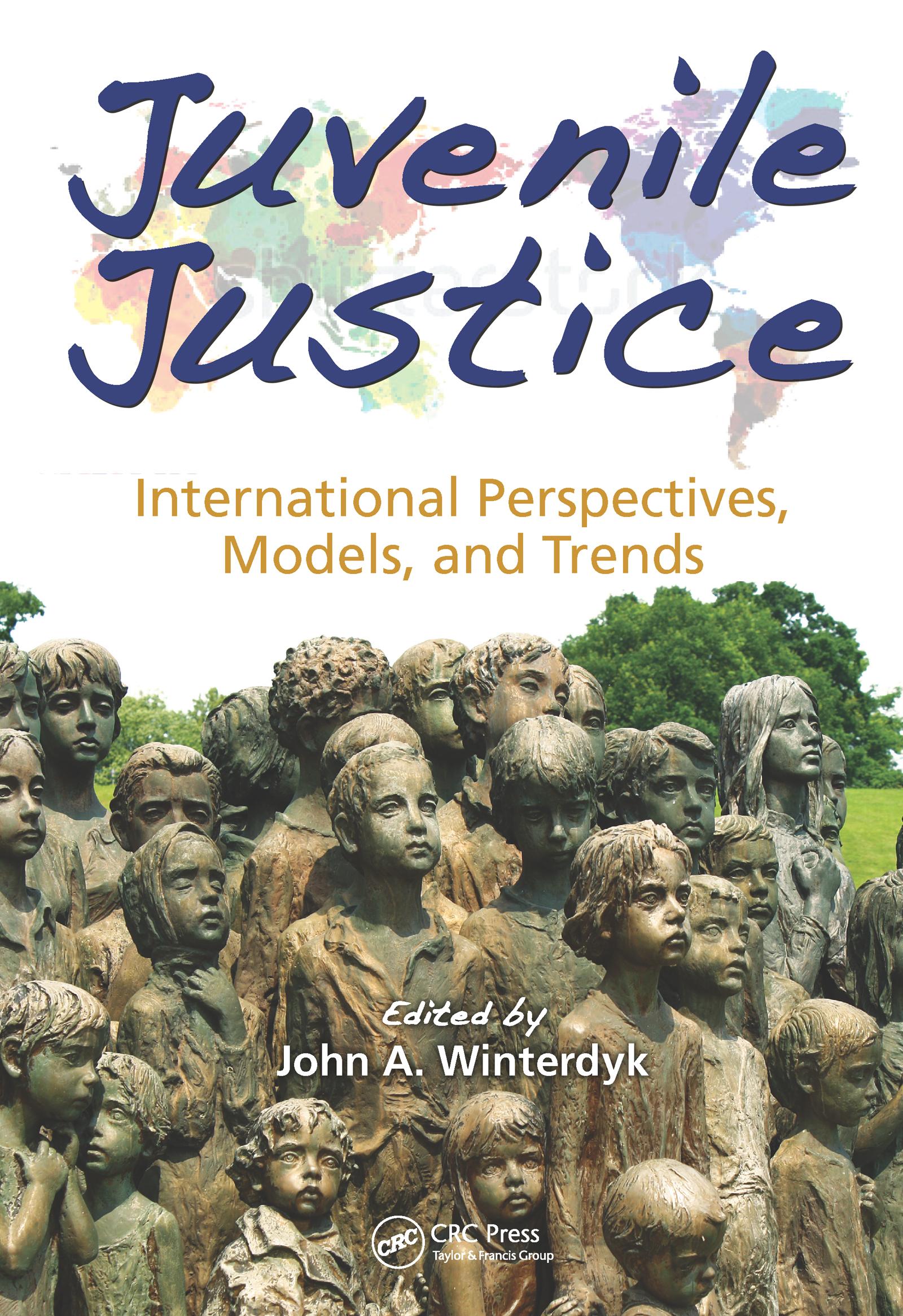
Juvenile justice has been and remains a topical issue at national and international levels. There are various standards and guidelines for administration, but six major models characterize juvenile justice systems worldwide: participatory, welfare, corporatism, modified justice, justice, and crime control. A comparative analysis of juvenile justice systems, this book features the contributions of international experts. Topics include the history of juvenile justice, the nature and status of delinquency, and how well current legislation complies with the Standard Minimum Rules of the Administration of Juvenile Justice as defined by the UN. The book also discusses age limits for juvenile offenders, legal and social issues, and theoretical considerations. It enables readers to compare the relative strengths and weaknesses of different juvenile justice models and to examine all countries in light of the larger international phenomena of delinquency.
Pay easily by card, Klarna, Apple Pay or Google Pay. Not happy? You always have a 14-day money-back guarantee. Read more in our terms. If you have any questions, email us at hello@memmo.org.
Memmo makes studying easier – wherever you are in the world. We bring your course books and smart study tools together in one place: summaries, quizzes, podcasts and flashcards. Plus Ted, your study buddy who answers anything you wonder. Over 50,000 students already study here – built to help you learn faster and stress less.
You might also like
Buy the book0