
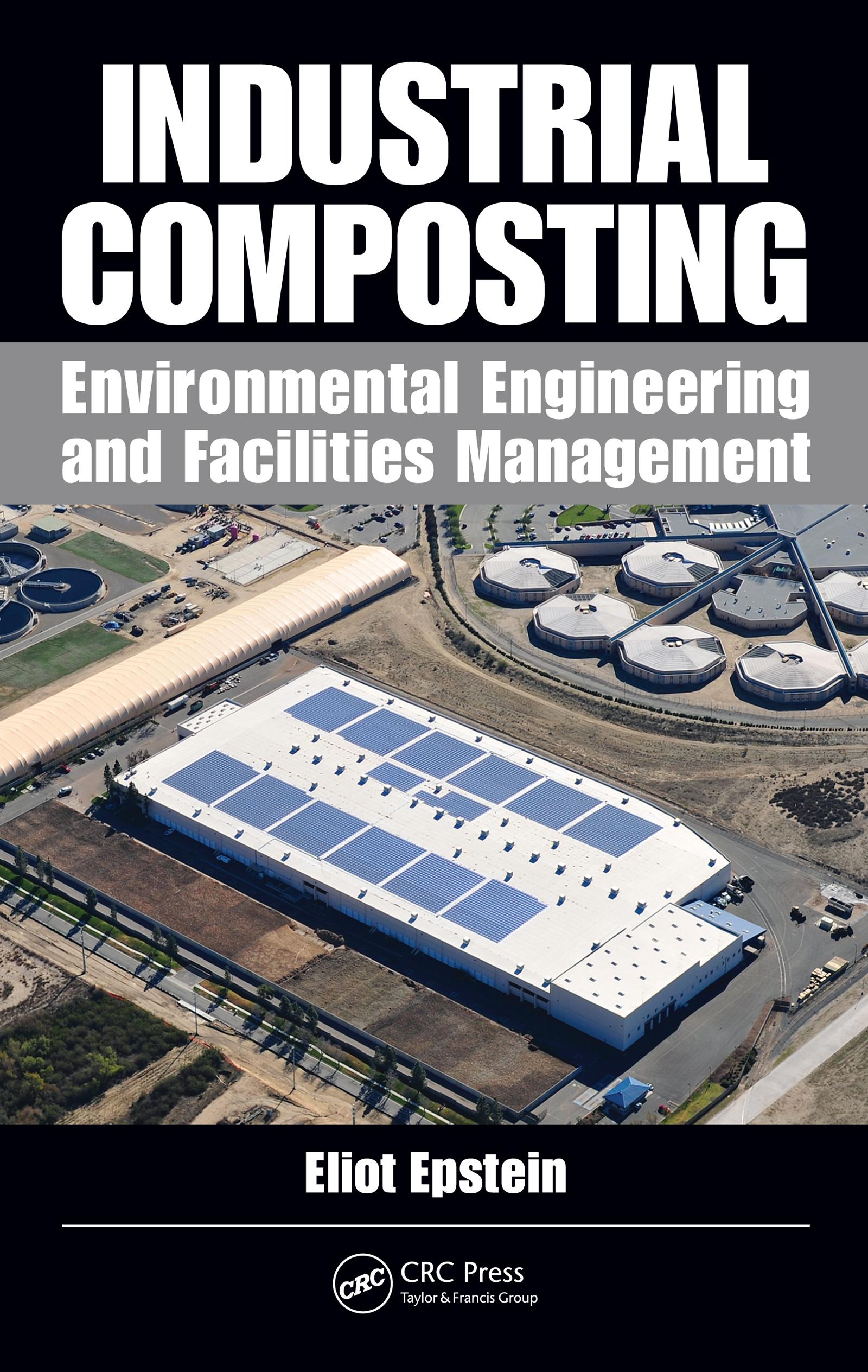
The ultimate in recycling, composting has been in use in some form since ancient times. A well-managed composting facility should exist as a good neighbor contributing to ecology. However, since local populations often perceive risks if a composting facility is built nearby, composting facilities must be designed and operated with minimal odor, dust, and noise emissions. Industrial Composting examines the key operational aspects and problems associated with composting, with strong emphasis on odor mitigation, pathogens, and aerosols.
Designed for composting professionals and supported by extensive quality references, this book covers:
- Facilities Planning and Design
- Odor Management
- Design, Material, Energy, and Water Balances
- Economics of Product Marketing and Sales
- Public Relations, Participation, and Communication Regulations
- Pathogen Concentrations as Related to Feedstocks
- Bioaerosols Associated with Composting and Their Potential Diseases
While many books cover composting, most of those currently available are either out of date or contain only a few chapters on the subject. With interest growing in the use of composting for biosolids, food wastes, and other specialty areas, the need for an up-to-date, focused resource is also increasing. To assist composting practitioners, community decision makers, and advocates, Industrial Composting brings recent advances and best practices in composting together in an accessible, professional volume.
Pay easily by card, Klarna, Apple Pay or Google Pay. Not happy? You always have a 14-day money-back guarantee. Read more in our terms. If you have any questions, email us at hello@memmo.org.
Memmo makes studying easier – wherever you are in the world. We bring your course books and smart study tools together in one place: summaries, quizzes, podcasts and flashcards. Plus Ted, your study buddy who answers anything you wonder. Over 50,000 students already study here – built to help you learn faster and stress less.