
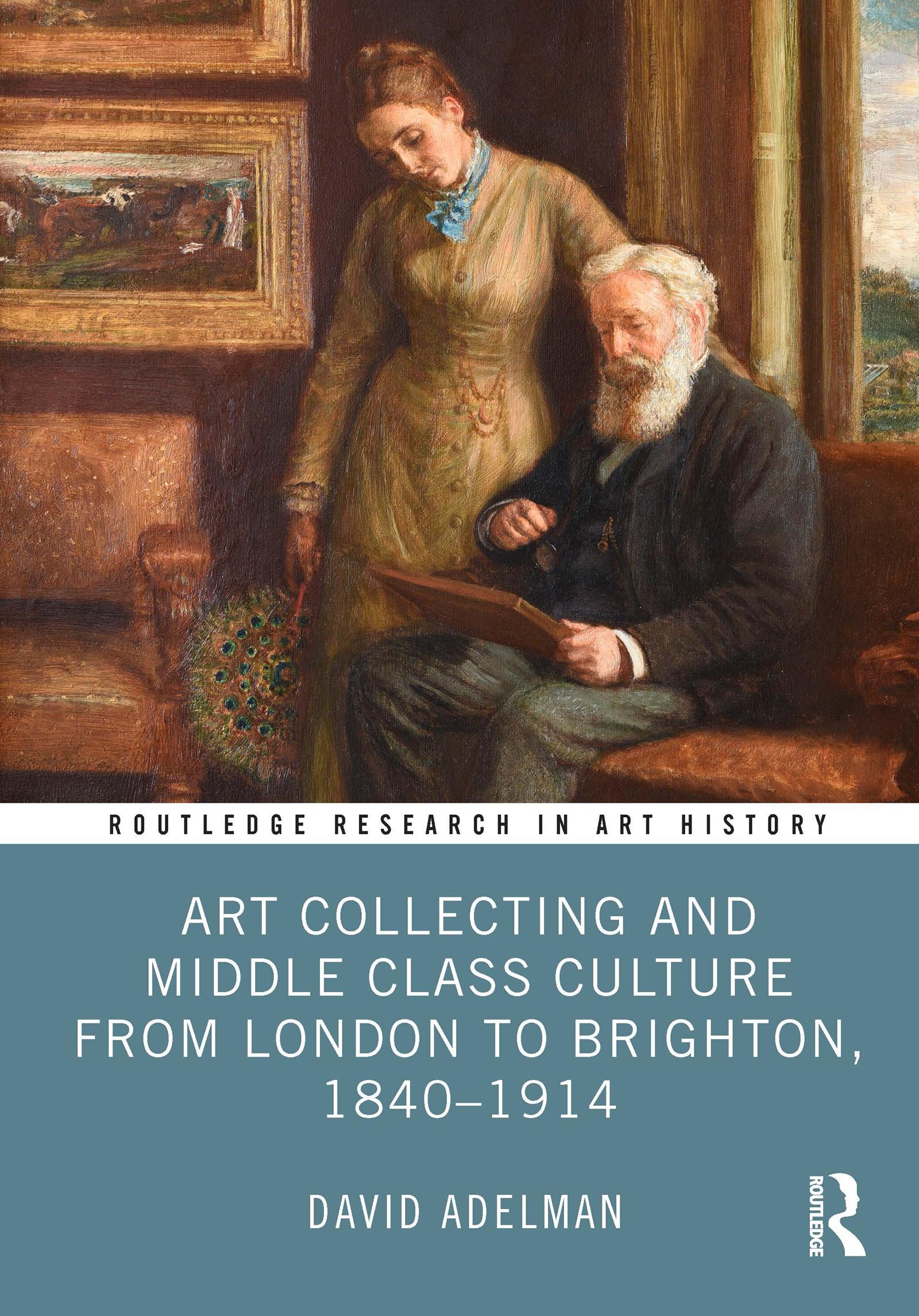
This study explores the interplay between money, status, politics and art collecting in the public and private lives of members of the wealthy trading classes in Brighton during the period 1840–1914.
Chapters focus on the collecting practices of five rich and upwardly mobile Victorians: William Coningham (1815–84), Henry Hill (1813–82), Henry Willett (1823–1905) and Harriet Trist (1816–96) and her husband John Hamilton Trist (1812–91). The book examines the relationship between the wealth of these would-be members of the Brighton bourgeoisie and the social and political meanings of their art collections paid for out of fortunes made from sugar, tailoring, beer and wine. It explores their luxury lifestyles and civic activities including the making of Brighton museum and art gallery, which reflected a paradoxical mix of patrician and liberal views, of aristocratic aspiration and radical rhetoric. It also highlights the centrality of the London art world to their collecting facilitated by the opening of the London to Brighton railway line in 1841.
The book will be of interest to scholars working in art history, museum studies and British history.
Pay easily by card, Klarna, Apple Pay or Google Pay. Not happy? You always have a 14-day money-back guarantee. Read more in our terms. If you have any questions, email us at hello@memmo.org.
Memmo makes studying easier – wherever you are in the world. We bring your course books and smart study tools together in one place: summaries, quizzes, podcasts and flashcards. Plus Ted, your study buddy who answers anything you wonder. Over 50,000 students already study here – built to help you learn faster and stress less.