
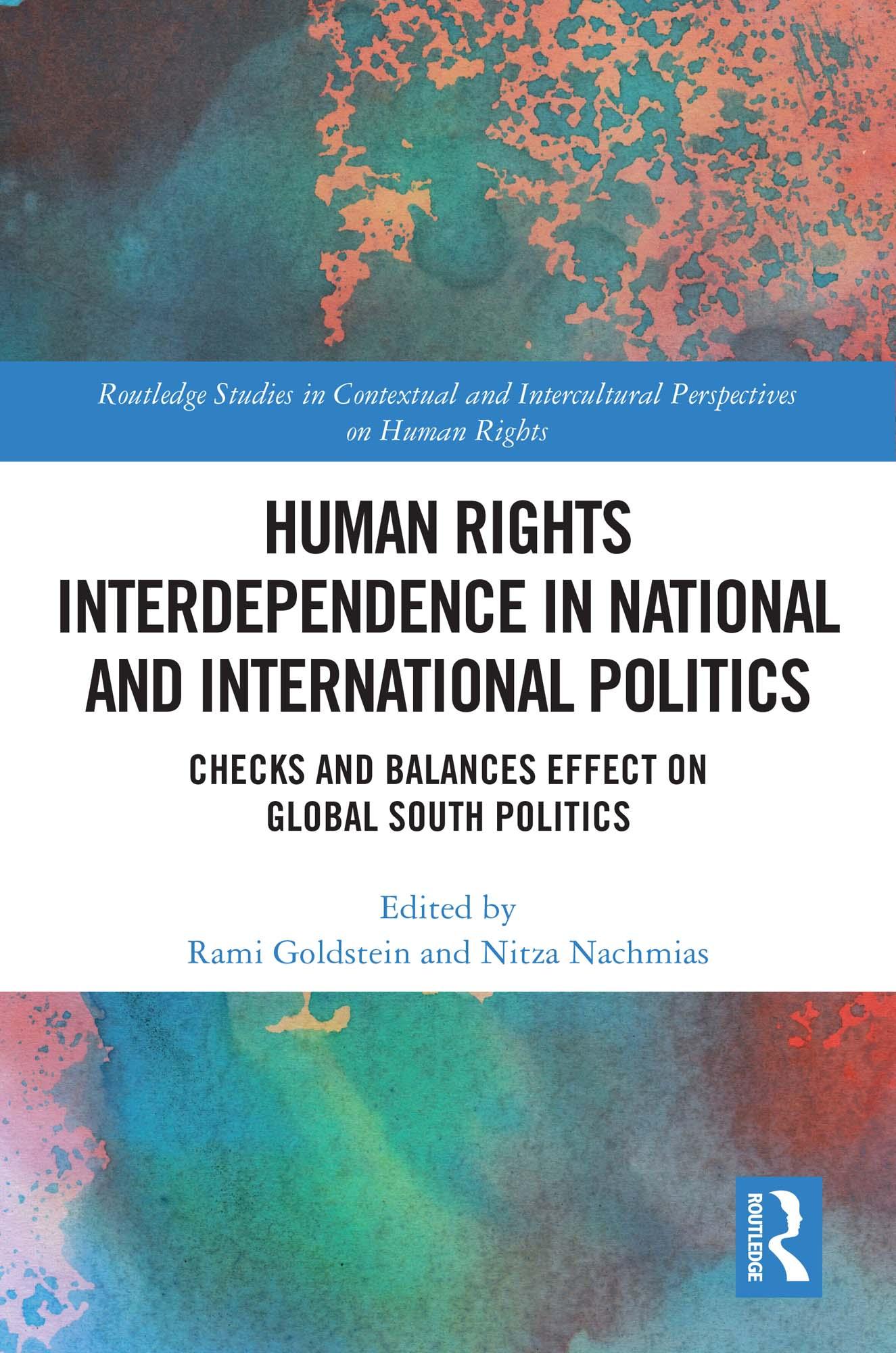
This book offers a fresh approach to human rights by analyzing the role of institutional checks and balances, governmentalism and system's approach, intended for the prevention of human rights violations, the enforcement of human rights norms and rules, and important actors such as International Non-Governmental Organizations (INGO), and domestic Non-Governmental Organizations (NGOs).
The book presents case studies that offer innovative, political, historical, and social perspectives on how the International Human Rights Regime (IHRG) is practiced. It critically examines the interpretation, inconsistency, and application of the human rights norms in the Global South, and shows how the national mobilization of human rights is directly affected by the interdependence existing between the national and the transnational levels.
This book will be of key interest to scholars, students, and practitioners of human rights, and more broadly of comparative politics, international law, global governance, international and nongovernmental organizations.
Pay easily by card, Klarna, Apple Pay or Google Pay. Not happy? You always have a 14-day money-back guarantee. Read more in our terms. If you have any questions, email us at hello@memmo.org.
Memmo makes studying easier – wherever you are in the world. We bring your course books and smart study tools together in one place: summaries, quizzes, podcasts and flashcards. Plus Ted, your study buddy who answers anything you wonder. Over 50,000 students already study here – built to help you learn faster and stress less.