
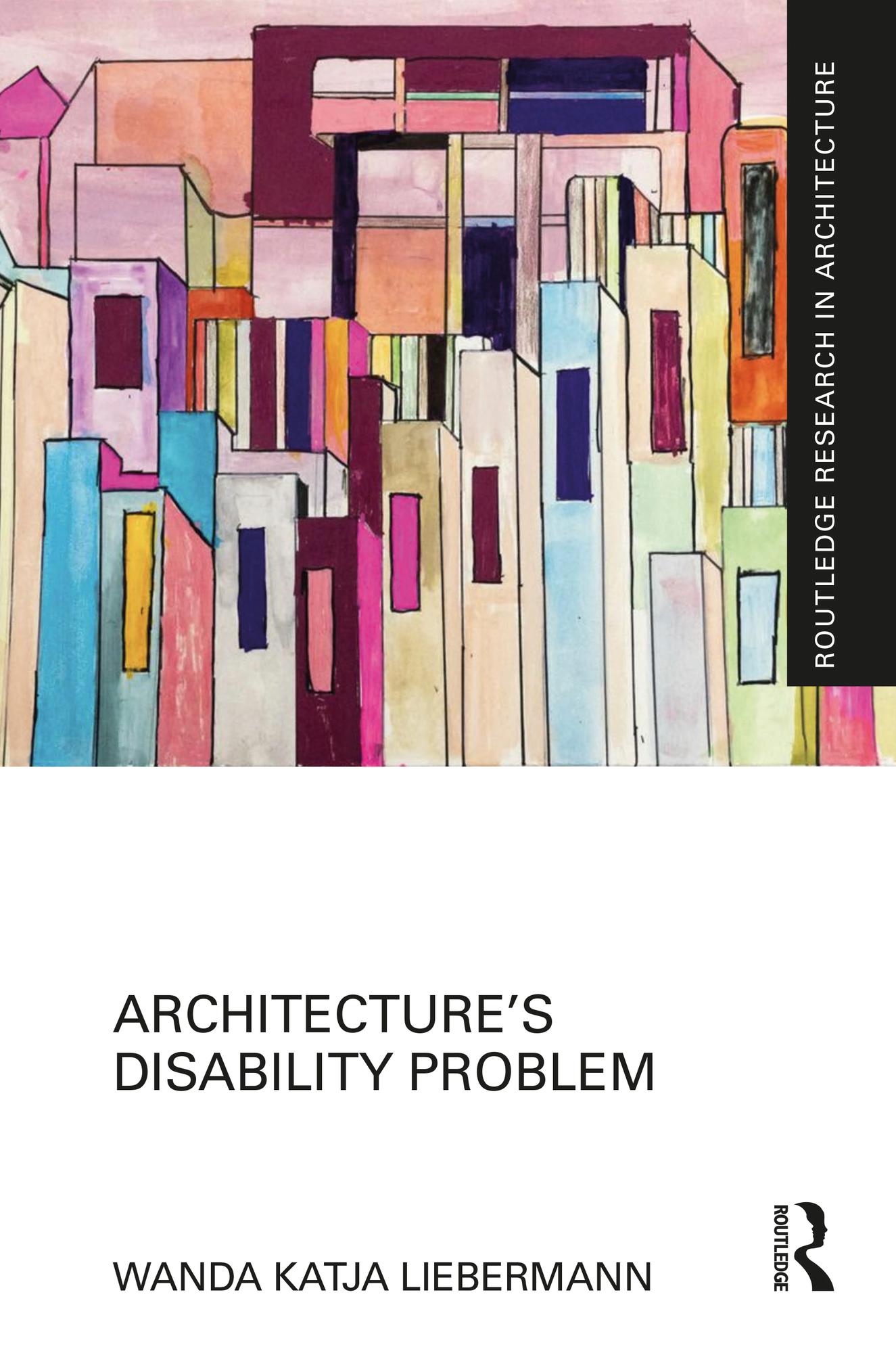
Architecture’s Disability Problem explores the intersection of architecture and disability in the United States from the perspective of professional practice. This book uncovers why, despite the profound effect of the Americans with Disabilities Act on the architectural profession, there has been so little interest in design for disability in mainstream architecture. To counter this, the book investigates alternative approaches to designing with disability, through three case studies. These showcase both buildings and how design processes driven by disabled people shape design and professional roles.
Combining historical research, formal and discourse analysis, and interviews with people who design, construct, use buildings, and advocate for access, the book develops a social understanding of how the buildings work at functional, affective, and symbolic levels. Architecture’s Disability Problem is aimed at three primary readers: practicing architects, architectural scholars, and members of disability scholar-activist communities. Grounded in detailed design studies, the author hopes to unearth the social meaning-making of architecture related to disability. Ultimately, the book makes an argument for a focus on disability in its own right—as well as on the body—in place of the dominance of formal, object-oriented approaches.
This book presents and argues for a fundamental shift in the way architectural education, policy, and practice views and engages with disability. It will be key reading for students, researchers, practitioners and policy-makers.
Pay easily by card, Klarna, Apple Pay or Google Pay. Not happy? You always have a 14-day money-back guarantee. Read more in our terms. If you have any questions, email us at hello@memmo.org.
Memmo makes studying easier – wherever you are in the world. We bring your course books and smart study tools together in one place: summaries, quizzes, podcasts and flashcards. Plus Ted, your study buddy who answers anything you wonder. Over 50,000 students already study here – built to help you learn faster and stress less.