
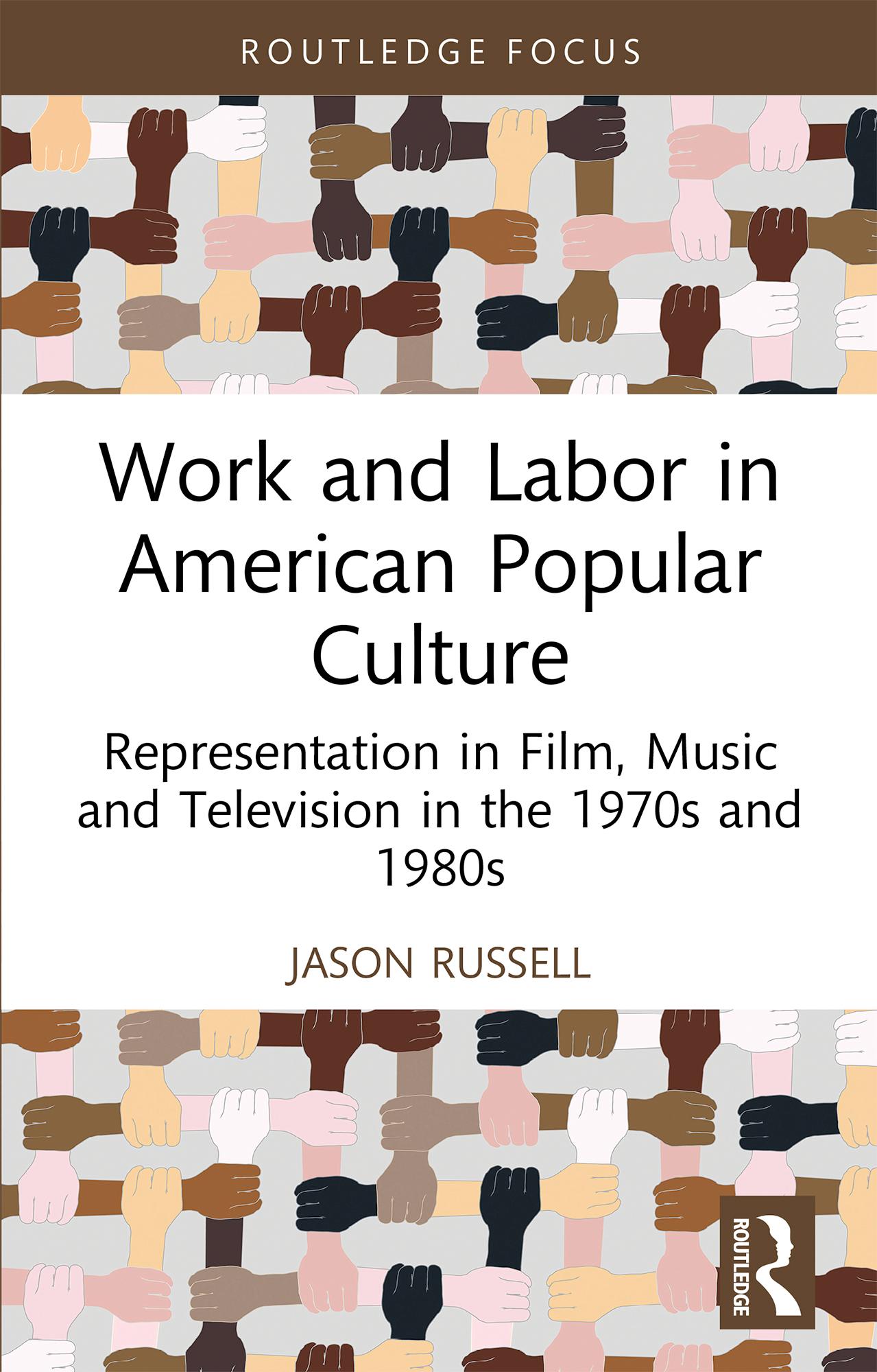
Crisis and decline in the working class were frequent themes in American popular culture during the 1970s. In contrast, more positive narratives about America’s managerial and professional class appeared during the 1980s. Focusing on these two key decades, this book explores how portrayals of social class and associated work and labor issues including gender and race appeared in specific films, television shows, and music. Comparing and contrasting how forms of popular media portrayed both unionized and non-unionized workers, the book discusses how workers’ perceptions of themselves were in turn shaped by messages conveyed through media. The book opens with an introduction which outlines the historical context of the immediate post-war period and the heightened social, political, and economic tension of the Cold War era. Three substantial chapters then explore film, television, and music in turn, looking at key works including Star Wars, Coming Home, 9 to 5, Good Times, The Mary Tyler Moore Show, and the music of Bruce Springsteen and rap artists. Drawing on both primary and secondary sources, the book is principally situated within wider labor and working-class history research, and the relatively new history of capitalism historical sub-field. This book is vital reading for anyone interested in issues around labor and work in the media, labor history, and popular culture history during two key decades in modern American history.
Pay easily by card, Klarna, Apple Pay or Google Pay. Not happy? You always have a 14-day money-back guarantee. Read more in our terms. If you have any questions, email us at hello@memmo.org.
Memmo makes studying easier – wherever you are in the world. We bring your course books and smart study tools together in one place: summaries, quizzes, podcasts and flashcards. Plus Ted, your study buddy who answers anything you wonder. Over 50,000 students already study here – built to help you learn faster and stress less.