
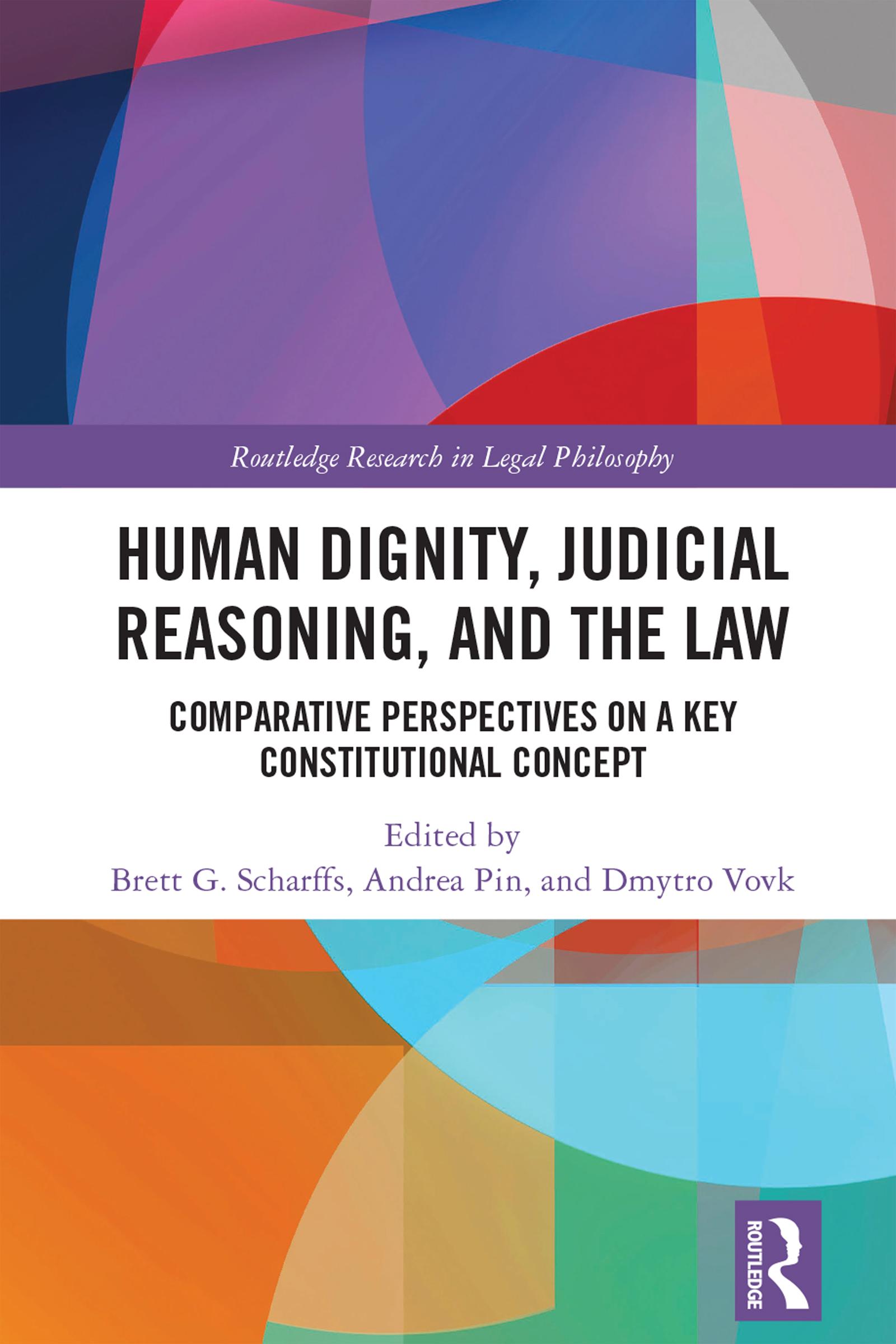
This volume explores how national and international human rights courts interpret and apply human dignity. The book tracks the increasing deployment of the concept of human dignity within courts in recent decades. It identifies how human-dignity-based arguments have expanded to cover larger sets of cases: from the right to life or the right to integrity or anti-discrimination, the concept has surfaced in disputes about political and social rights and rule of law requirements, such as equality or legal certainty. The core message of the book is that judges understand, interpret, and apply human dignity differently. An inflation in the judicial recourse to human dignity can saturate the legal environment, depriving the concepts as well as human-rights-based narratives of salience, and threaten the predictability of court decisions. The book will appeal to philosophers of law, constitutional theorists and lawyers, legal comparativists, and international law specialists. While being dedicated specifically to human dignity jurisprudence, the book touches on many aspects of judiciary and as such will also be of interest to researchers studying legal reasoning, interpretation and application of the law and courts, as well as social philosophers, political scientists, and sociologists of law, politics, and religion.
Pay easily by card, Klarna, Apple Pay or Google Pay. Not happy? You always have a 14-day money-back guarantee. Read more in our terms. If you have any questions, email us at hello@memmo.org.
Memmo makes studying easier – wherever you are in the world. We bring your course books and smart study tools together in one place: summaries, quizzes, podcasts and flashcards. Plus Ted, your study buddy who answers anything you wonder. Over 50,000 students already study here – built to help you learn faster and stress less.