
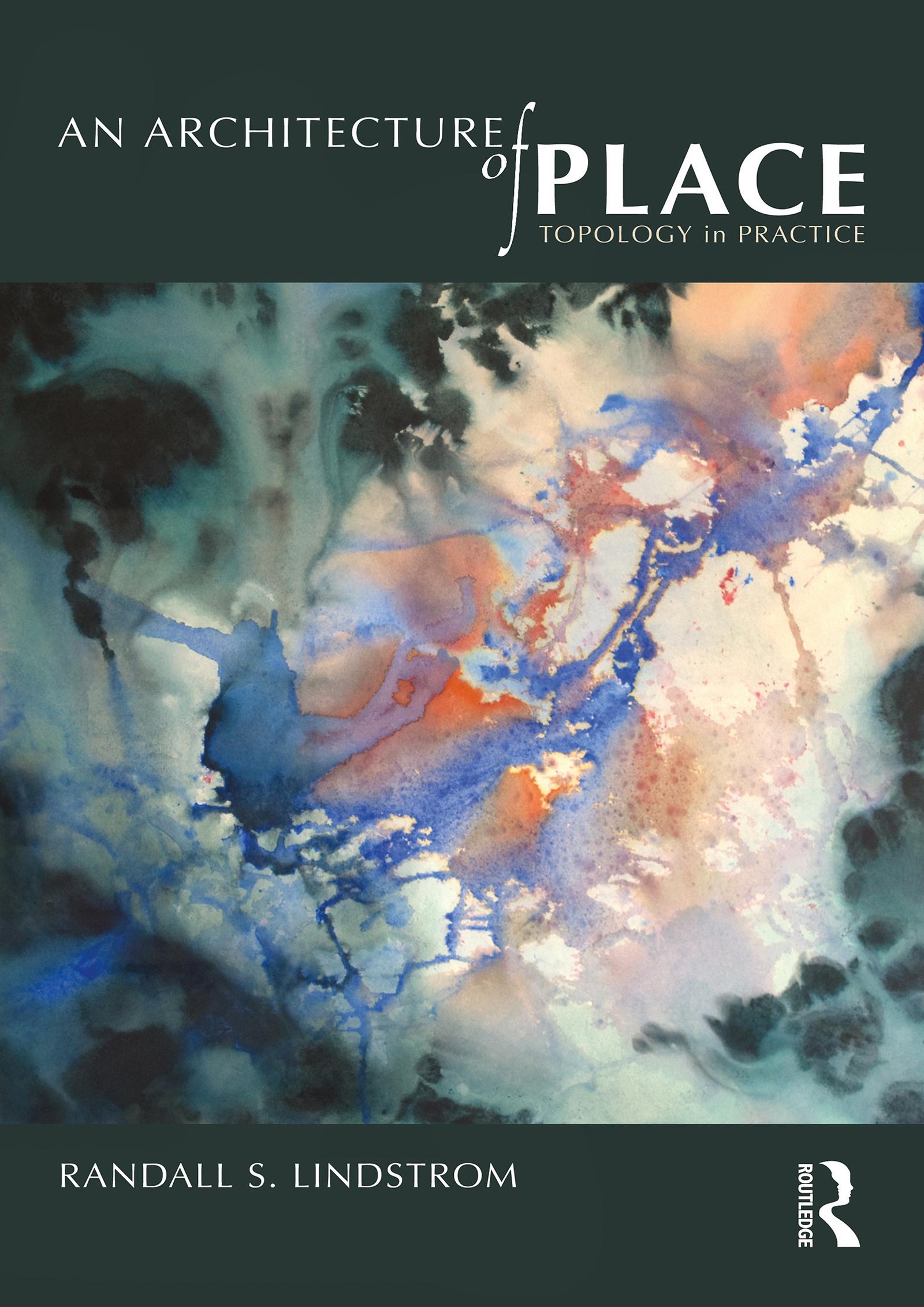
Challenging mainstream architecture’s understandings of place, this book offers an illuminating clarification that allows the idea’s centrality, in all aspects of everyday design thinking, to be rediscovered or considered for the first time.
Rigorous but not dense, practical but not trivialising, the book unfolds on three fronts. First, it clearly frames the pertinent aspects of topology—the philosophy of place—importantly differentiating two concepts that architecture regularly conflates: place and space. Second, it rejects the ubiquitous notion that architecture “makes place” and, instead, reasons that place is what makes architecture and the built environment possible; that place “calls” for and to architecture; and that architecture is thus invited to “listen” and respond. Finally, it turns to the matter of designing responses that result not just in more places of architecture (demanding little of design), nor merely in architecture with some “sense of place” (demanding little more), but, rising above those, responses that constitute an architecture of place (demanding the greatest vigilance but offering the utmost freedom).
Opening up a term regarded as so common that its meaning is seldom considered, the author reveals the actual depth and richness of place, its innateness to architecture, and its essentiality to practitioners, clients, educators, and students—including those in all spatial disciplines.
Pay easily by card, Klarna, Apple Pay or Google Pay. Not happy? You always have a 14-day money-back guarantee. Read more in our terms. If you have any questions, email us at hello@memmo.org.
Memmo makes studying easier – wherever you are in the world. We bring your course books and smart study tools together in one place: summaries, quizzes, podcasts and flashcards. Plus Ted, your study buddy who answers anything you wonder. Over 75,000 students already study here – built to help you learn faster and stress less.