
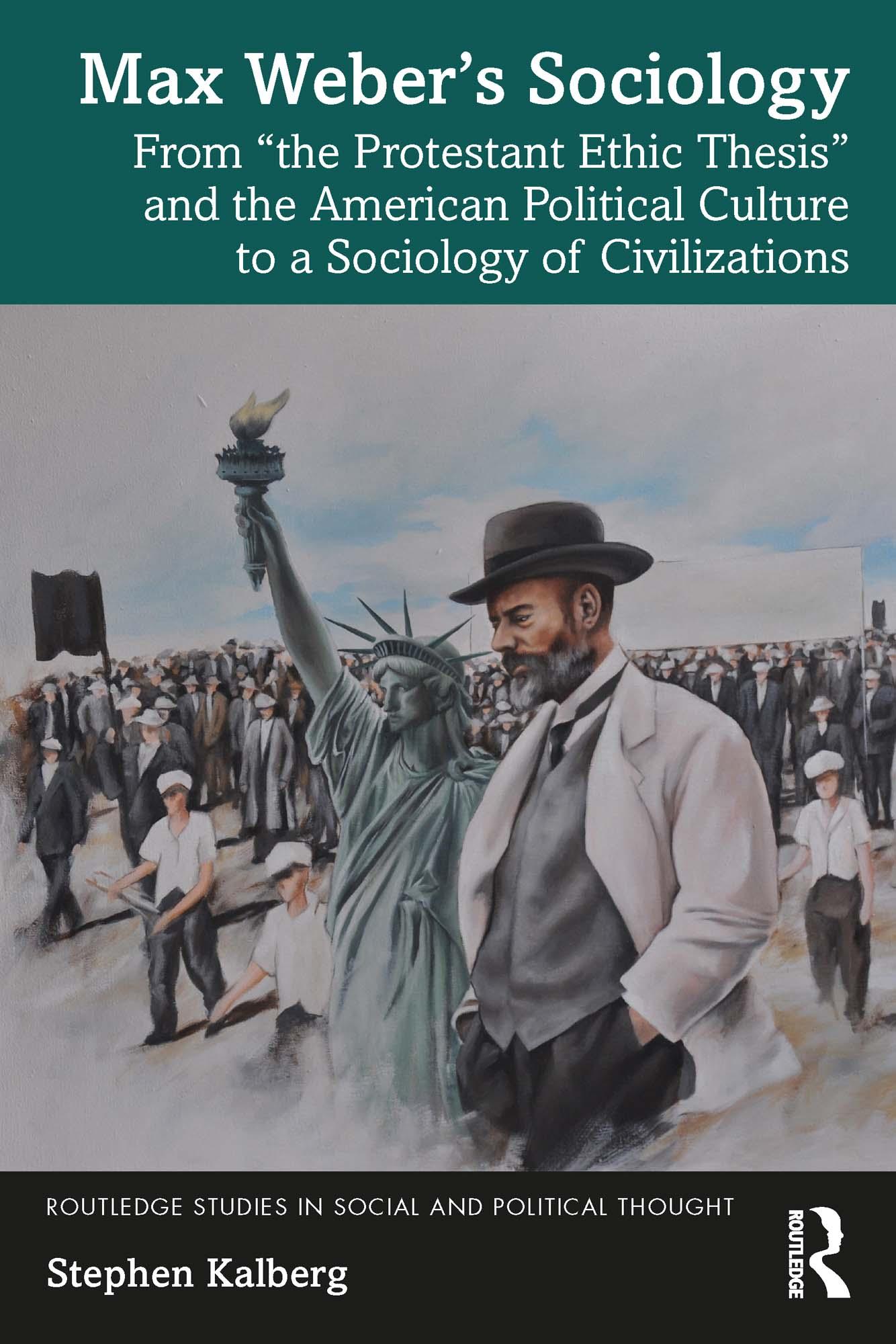
This volume outlines Max Weber’s comparative-historical sociology of "interpretive understanding" (verstehen) in a manner that clarifies his complex mode of analysis and multi-causal focus. Presenting the central features of his methodology, it demonstrates the strengths of his research strategies through discussions of his major works and overarching concerns. Among other themes, this study addresses the origins of the American political culture, the longevity of its civic sphere, and the multiple causes behind the unique historical pathways followed by several civilizations. Indeed, through summaries of Weber’s procedures and their application in his own empirical studies, Max Weber’s Sociology sustains a simultaneous orientation to his "big picture" themes and his rigorous manner of analysis. It demonstrates in so doing the capacity of Weber’s sociology to ground firmly both “ideal-type” theorizing and empirically oriented investigations. This volume will appeal to scholars throughout the social sciences with interests in the American civic sphere, the West’s uniqueness, ”the Protestant ethic thesis,” the multiple ways that civilizations develop, and the diverse twists and turns of Weber’s comparative-historical sociology.
Pay easily by card, Klarna, Apple Pay or Google Pay. Not happy? You always have a 14-day money-back guarantee. Read more in our terms. If you have any questions, email us at hello@memmo.org.
Memmo makes studying easier – wherever you are in the world. We bring your course books and smart study tools together in one place: summaries, quizzes, podcasts and flashcards. Plus Ted, your study buddy who answers anything you wonder. Over 50,000 students already study here – built to help you learn faster and stress less.