
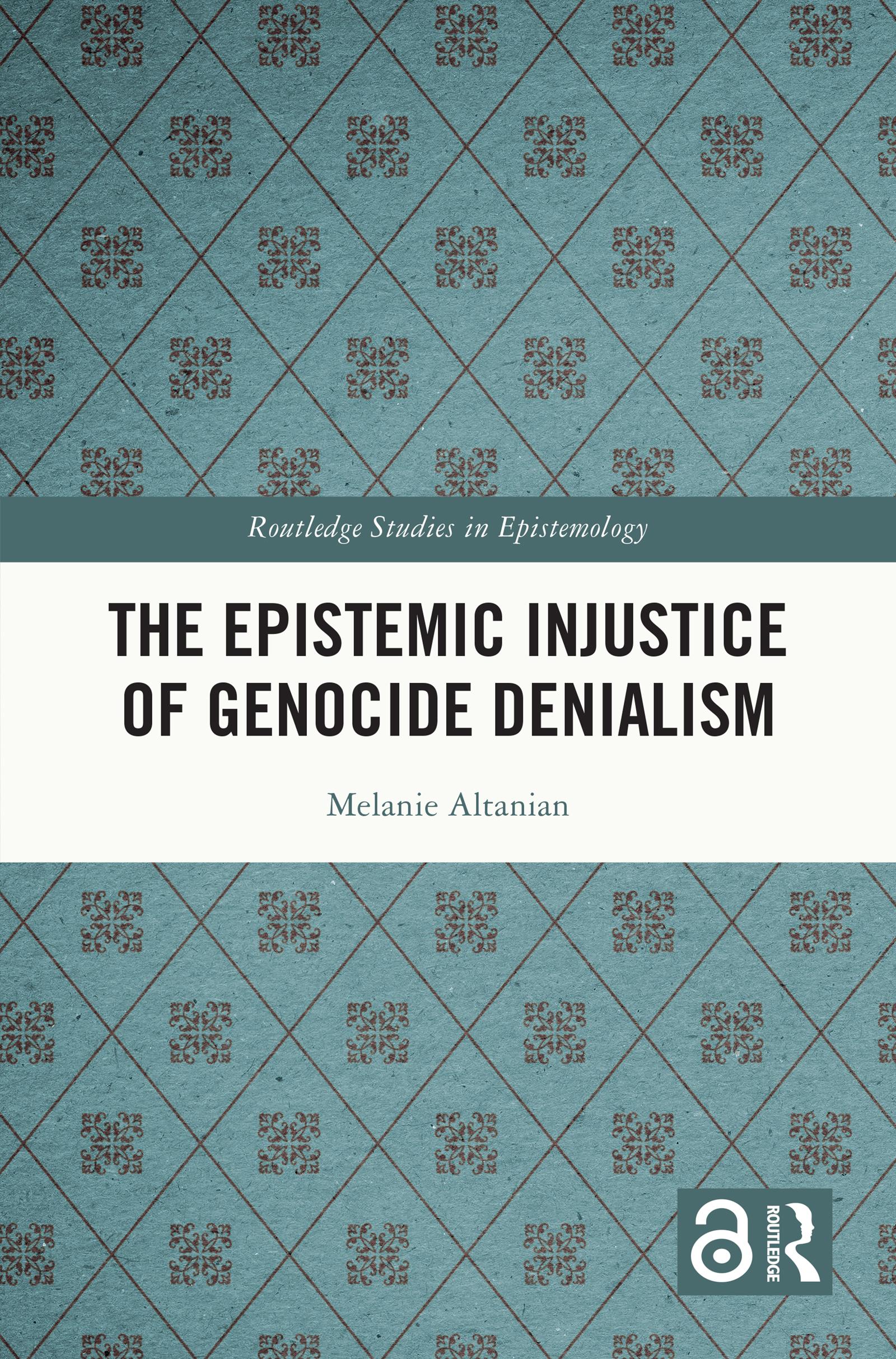
The injustice of genocide denial is commonly understood as a violation of the dignity of victims, survivors, and their descendants, and further described as an assault on truth and memory. This book rethinks the normative relationship between dignity, truth, and memory in relation to genocide denial by adopting the framework of epistemic injustice.
This framework performs two functions. First, it introduces constructive normative vocabulary into genocide scholarship through which we can gain a better understanding of the normative impacts of genocide denial when it is institutionalized and systematic. Second, it develops and enriches current scholarship on epistemic injustice with a further, underexplored case study. Genocide denialism is relevant for political and social epistemology, as it presents a substantive epistemic practice that distorts normativity and social reality in ways that maintain domination. This generates pervasive ignorance that makes denial rather than recognition of genocide appear as the morally and epistemically right thing to do. By focusing on the prominent case of Turkey’s denialism of the Armenian genocide, the book shows the serious consequences of this kind of epistemic injustice for the victim group and society as a whole.
The Epistemic Injustice of Genocide Denialism will appeal to students and scholars working in social, political, and applied epistemology, social and political philosophy, genocide studies, Armenian studies, and memory studies.
The Open Access version of this book, available at www.taylorfrancis.com, has been made available under a Creative Commons Attribution-Non Commercial-No Derivatives (CC-BY-NC-ND) 4.0 license. Any third party material in this book is not included in the OA Creative Commons license, unless indicated otherwise in a credit line to the material. Please direct any permissions enquiries to the original rightsholder.
Funded by: Swiss National Science Foundation
Pay easily by card, Klarna, Apple Pay or Google Pay. Not happy? You always have a 14-day money-back guarantee. Read more in our terms. If you have any questions, email us at hello@memmo.org.
Memmo makes studying easier – wherever you are in the world. We bring your course books and smart study tools together in one place: summaries, quizzes, podcasts and flashcards. Plus Ted, your study buddy who answers anything you wonder. Over 50,000 students already study here – built to help you learn faster and stress less.