
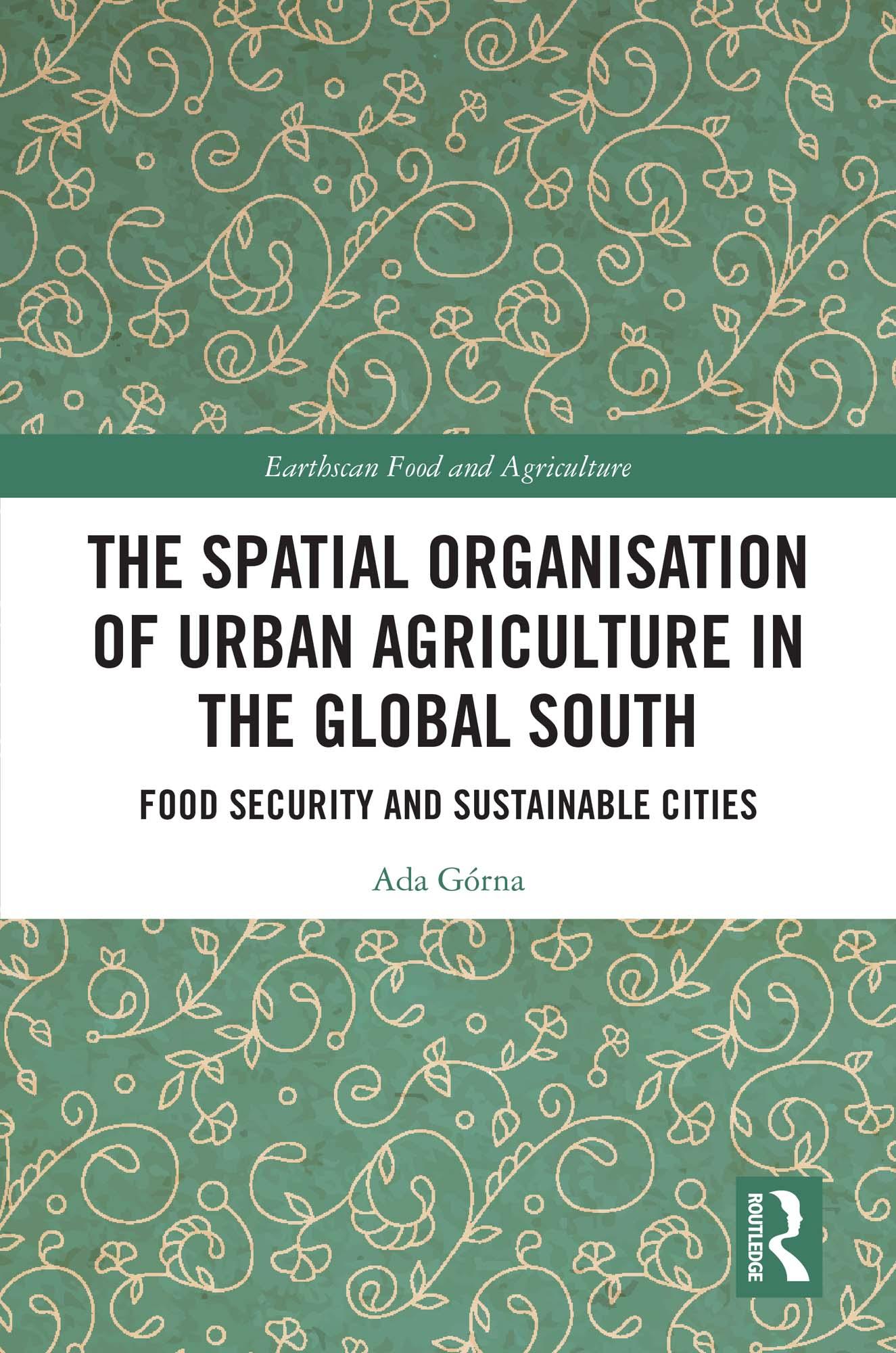
This book examines the role and position of urban agriculture in the spatial and functional structure of cities in the Global South.
In the face of dynamic urbanisation and negative consequences of climate change, one of the key challenges is not only how to provide food for the ever-growing urban population but also how to achieve urban sustainability and simultaneously reduce the negative impact of cities on the natural environment. These problems are particularly urgent in the metropolises of the Global South that are experiencing the greatest population growth while struggling with increasing social inequalities and the resulting uneven distribution of resources. Examining the role that urban agriculture can play in addressing these challenges, this book draws on three case study cities: Havana, Singapore and Kigali. The case studies, differing in socio-economic, spatial, political and environmental terms, exemplify diverse characteristics of urban agriculture in different geographical conditions. Drawing on fieldwork conducted in each city, the book also provides a unique perspective on the constraints in the development of urban agriculture and the use of its full potential for urban sustainability.
This book will appeal to students and scholars, as well as decision makers, interested in the issues of urban sustainability, food security, spatial development and alternative food systems.
Pay easily by card, Klarna, Apple Pay or Google Pay. Not happy? You always have a 14-day money-back guarantee. Read more in our terms. If you have any questions, email us at hello@memmo.org.
Memmo makes studying easier – wherever you are in the world. We bring your course books and smart study tools together in one place: summaries, quizzes, podcasts and flashcards. Plus Ted, your study buddy who answers anything you wonder. Over 50,000 students already study here – built to help you learn faster and stress less.